
Abdominal Ultrasound Exam
Intestinal Obstruction at Sea: The Role of Maritime Medics and Telemedicine
Intestinal obstruction, also known as ileus, is a serious condition that can happen on ships, far from immediate medical help. Because of this distance, managing the condition effectively requires the combined efforts of well-trained maritime medics, proper equipment, and strong telemedicine support. This article explains how these elements work together to save lives and reduce the need for costly ship deviations.
Understanding Intestinal Obstruction
Intestinal obstruction occurs when something blocks the normal movement of food or fluids through the intestines. If left untreated, it can lead to dangerous complications such as tissue death or sepsis. Therefore, quick and accurate management is essential.
Common Causes
- Scar Tissue (Adhesions): Blockages caused by scars from past surgeries.
- Hernias: When part of the intestine pushes through a weak spot in the abdominal wall.
- Twisting (Volvulus): A condition where the intestine twists on itself, cutting off its blood supply.
- Tumors: Growths that physically block the intestine.
Key Symptoms
Recognizing the symptoms early is crucial. Common symptoms include:
- Severe abdominal pain and swelling.
- Nausea and vomiting.
- Inability to pass gas or stool.
- Noticeable abdominal bloating or distension.
The Vital Role of the Maritime Medic
Onboard medical emergencies often rely on a maritime medic, who is a trained crew member with advanced medical skills. These medics play a key role in managing emergencies like intestinal obstruction, often reducing the need for the ship to change course. Furthermore, they ensure accurate communication with remote doctors and perform critical procedures under guidance.
Key Responsibilities
Conducting a Detailed Examination
- Listening to Bowel Sounds: Using a stethoscope, the medic checks for active, reduced, or absent bowel movements.
- Percussion and Palpation: These techniques help locate tenderness or swelling and identify potential blockages.
Using Diagnostic Tools
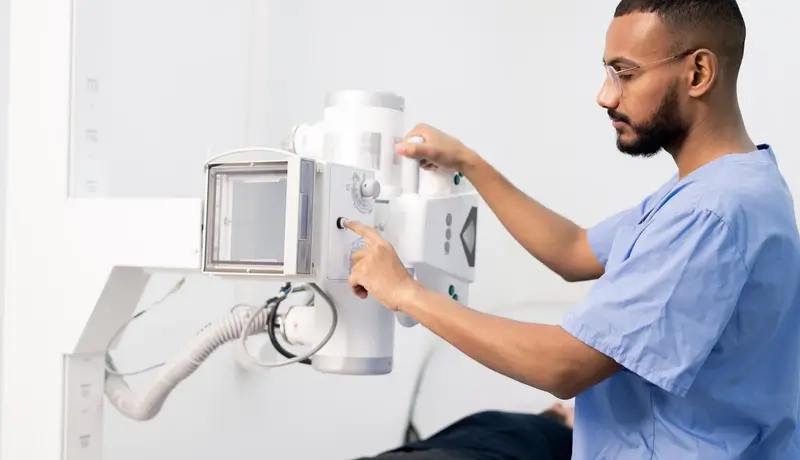
- Portable X-Ray: Helps spot blockages, free air, or other abnormalities in the abdomen.
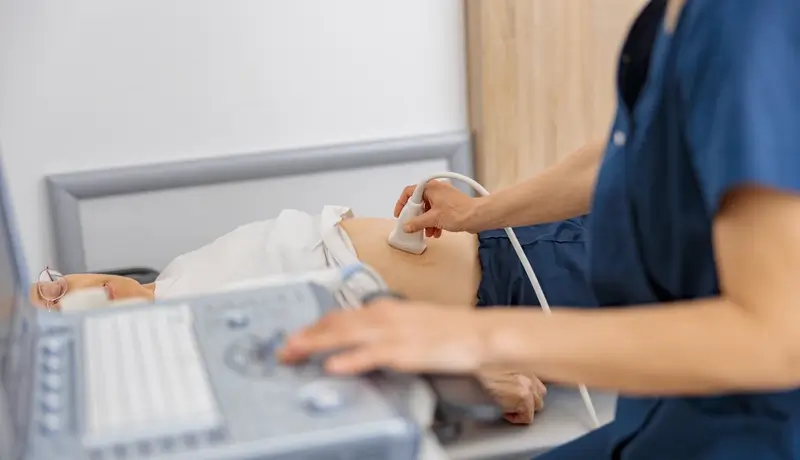
- Ultrasound Devices: Detects enlarged bowel loops, fluid, or other signs of obstruction.
Collaborating with Telemedicine Centers
- Real-Time Communication: Sharing detailed findings, images, and videos to assist doctors in diagnosing the issue.
- Guided Interventions: Administering fluids, medications, or inserting a nasogastric tube as directed by remote doctors.
Preventing Costly Ship Deviations
Maritime medics use all non-surgical options, such as fluid therapy and repositioning, to stabilize patients and avoid the need for an expensive deviation. In many cases, these measures are enough to manage the condition until the patient can reach a hospital.
Why Training Is So Important
Proper training gives maritime medics the skills they need to:
- Identify symptoms early and differentiate between various medical conditions.
- Operate diagnostic tools and communicate findings effectively.
- Work closely with telemedicine doctors to ensure patients receive accurate care.
Saving Costs Through Skilled Medics
Emergencies like intestinal obstruction often lead to ship deviations, which are expensive. For example, a single deviation can cost between $150,000 and $180,000 due to fuel costs, delays, and penalties. However, skilled maritime medics and effective telemedicine systems can reduce deviations by up to 30%, saving significant money for shipowners.
The Role of Telemedicine Centers
Telemedicine services are vital for providing expert guidance in medical emergencies at sea. They offer:
- Diagnosis Support: Remote doctors help medics gather and interpret diagnostic data.
- Real-Time Monitoring: Continuous updates ensure the treatment plan adapts as the patient’s condition changes.
- Minimized Deviations: Telemedicine allows most manageable cases to be treated onboard, avoiding the need to divert the ship.
Conclusion
Addressing intestinal obstruction at sea shows the importance of:
- Well-trained maritime medics: Equipped with advanced skills to manage emergencies.
- Onboard medical equipment: Providing essential tools for diagnosis and treatment.
- Telemedicine collaboration: Bridging the gap between onboard care and shore-based expertise.
Investing in these areas ensures the safety of crew members and reduces financial losses from ship deviations. By working together, maritime medics and telemedicine centers create a reliable system of care for emergencies at sea.
References
- Ship Technology, “Telemedicine: Revolutionising Healthcare for Seafarers” (2016).
- Annals of Emergency Medicine, “Telemedicine at Sea: Challenges and Advances” (2021).
Frequently Asked Questions
-
What is intestinal obstruction, and how can it affect the crew’s health?
- Intestinal obstruction is a condition where the movement of food or fluids through the intestine is blocked, which can lead to severe complications such as dehydration, electrolyte imbalances, and organ failure. On ships, delayed diagnosis can result in critical situations that impact operational efficiency.
-
What role does prevention play in medical emergencies at sea?
- Prevention involves training the crew to recognize warning symptoms, maintaining healthy dietary and hygiene practices, and regularly servicing medical equipment. This reduces the likelihood of severe incidents occurring onboard.
-
How can maritime companies better prepare for medical emergencies?
- Maritime companies can invest in modern medical equipment, implement crew training programs in basic medical skills, and establish partnerships with telemedicine providers for continuous support and real-time guidance.

