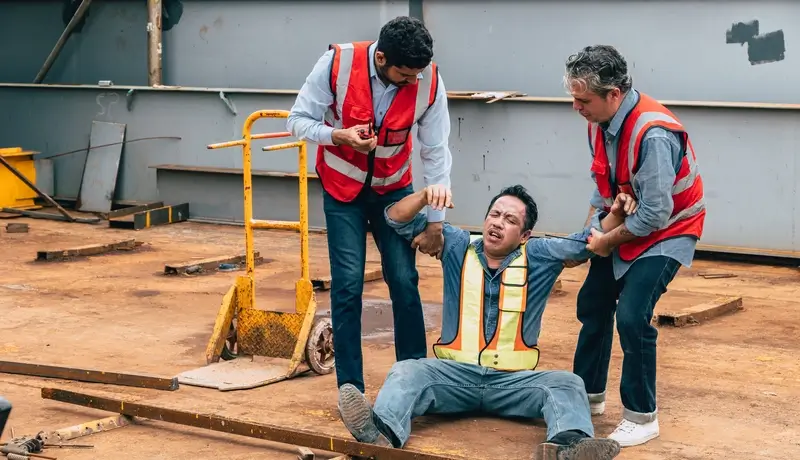
Flail chest management
Flail Chest: Managing a Life-Threatening Injury Aboard Ships Far from Shore
Introduction
Flail chest is a serious and potentially fatal injury that occurs when multiple rib fractures result in a segment of the chest wall becoming detached from the ribcage. This floating segment moves independently during breathing, which causes paradoxical movement that compromises respiratory function. Left untreated, it can lead to respiratory failure, hypoxia, and other life-threatening complications. Furthermore, this condition is most commonly caused by high-impact trauma such as falls or crush injuries. However, it is particularly challenging to manage on ships far from medical facilities. Consequently, having trained personnel on board is critical for ensuring timely and effective care.
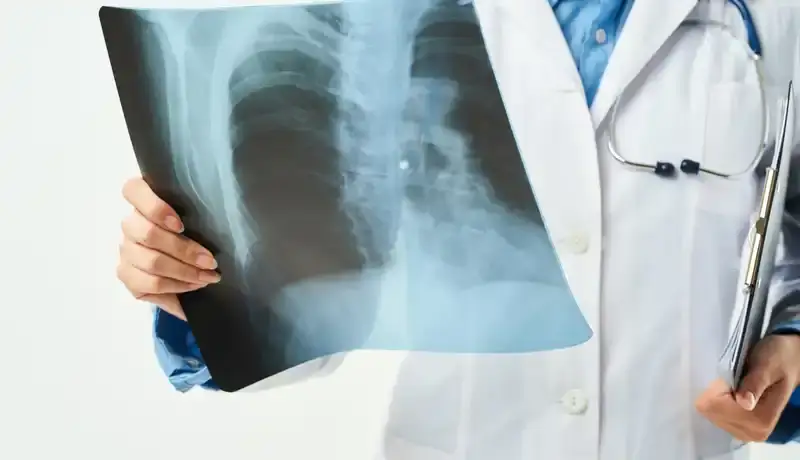
What is Flail Chest?
Flail chest involves a section of the ribcage breaking free due to fractures in three or more consecutive ribs, often in multiple places. As a result, this leads to abnormal chest wall movement during breathing: the fractured segment sinks inward during inhalation and bulges outward during exhalation, disrupting normal ventilation. Additionally, it often leads to reduced oxygen intake, ineffective lung expansion, and even lung collapse (pneumothorax) in severe cases. Therefore, immediate management is crucial to prevent these complications.
This injury is commonly caused by:
- Falls from height (e.g., onto hard surfaces).
- Direct blows or crush injuries during rough weather or onboard accidents.
- Heavy cargo impacts or collisions in confined spaces.
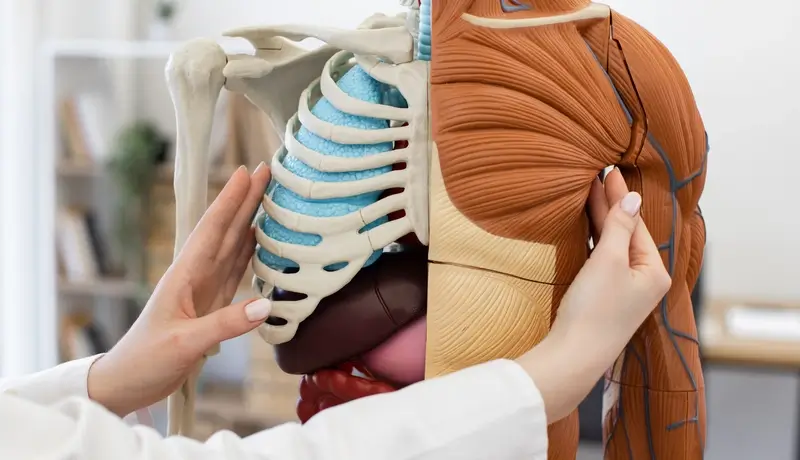
Challenges of Managing Flail Chest at Sea
Managing flail chest aboard a ship comes with unique challenges due to the isolated and resource-limited environment. Some of the primary obstacles include:
- Limited Medical Resources: Ships often lack advanced medical facilities or equipment found in hospitals. For instance, the absence of ventilators or chest tube systems can make effective treatment more difficult.
- Delayed Evacuation: The time required to reach a port with adequate medical care can span several days or weeks, leaving the injured person vulnerable to complications. Thus, the crew must rely on their training and available resources to stabilize the patient.
- Environmental Constraints: Rough seas and confined spaces aboard the ship make performing medical procedures particularly challenging, increasing the risk of error during treatment. Moreover, the ship’s movement can complicate even routine medical care.
These challenges highlight the importance of having trained Maritime Medics onboard, as they are equipped to stabilize patients until they can access advanced care. Consequently, their role becomes critical in ensuring better outcomes for the injured.
The Role of Maritime Medics in Flail Chest Management
Maritime Medics are essential for handling severe injuries like flail chest, especially in remote maritime environments. Their expertise significantly enhances patient outcomes, even in the absence of advanced medical facilities. Key aspects of their role include:
1. Initial Stabilization
Stabilizing the patient is the first priority. Maritime Medics are trained to:
- Apply external stabilization using splints, bandages, or commercial chest binders to minimize paradoxical chest wall movement.
- Reduce shallow breathing by addressing pain and limiting unnecessary movement. This step is critical because shallow breathing increases the risk of complications such as pneumonia.
2. Oxygen Therapy
Oxygen supplementation is critical to prevent hypoxia. If oxygen cylinders or concentrators are available onboard, Maritime Medics can ensure the patient receives adequate oxygen levels. Additionally, this helps maintain organ function during the injury’s critical phase.
3. Pain Control
Pain from fractured ribs can restrict breathing, worsening the injury. Maritime Medics administer appropriate analgesics or sedatives to manage pain. This, in turn, enables the patient to breathe deeply and reduces the risk of complications such as pneumonia. Moreover, effective pain relief improves the patient’s overall comfort, allowing them to tolerate the journey to advanced care better.
4. Monitoring for Complications
Flail chest injuries often result in secondary complications, including:
- Pneumothorax: A collapsed lung due to air entering the chest cavity.
- Hemothorax: Blood accumulating in the chest cavity, compressing the lungs.
Maritime Medics are trained to recognize these complications and may use portable ultrasound devices, if available, to assess the extent of internal damage. Furthermore, they monitor the patient closely for any signs of worsening, ensuring that timely interventions are made.
5. Telemedicine Support
Through telemedicine services, Maritime Medics can consult with doctors onshore for guidance. This collaboration ensures the injured individual receives expert advice and timely interventions. Additionally, telemedicine improves decision-making in complex cases. For example, doctors onshore may recommend specific adjustments to pain management or stabilization techniques based on the patient’s condition.
Frequency and Impact of Flail Chest Injuries on Ships
Data on flail chest injuries in commercial maritime settings is limited. However, studies in the military and other maritime sectors suggest that chest trauma, including flail chest, accounts for 10-15% of injuries at sea. These injuries often necessitate emergency evacuations, which disrupt ship operations and incur significant costs. Moreover, delays in treatment increase the risk of severe complications, making timely management critical.
A report by Wilken et al. (1967) noted that ships often deviate by 100-300 nautical miles to reach ports with medical facilities, resulting in delays and increased fuel expenses. Similarly, Tansley et al. (1973) estimated that each evacuation costs between $10,000 and $50,000, depending on the resources required and the distance traveled. These costs underscore the importance of effective onboard management to reduce the need for deviations.
Importance of Maritime Medic Training
Comprehensive training for Maritime Medics is critical to managing flail chest and other life-threatening injuries effectively. Key areas of training include:
- Trauma Management: Understanding the mechanics of chest injuries and applying stabilization techniques.
- Equipment Proficiency: Using onboard tools like splints, oxygen tanks, and portable ultrasounds for diagnosis and treatment.
- Pain Relief Administration: Safely providing analgesics to improve patient comfort and ventilation. Additionally, knowing the correct dosages and methods of delivery ensures safer outcomes.
- Telemedicine Integration: Communicating effectively with shore-based doctors to receive guidance and implement treatment plans. Moreover, this collaboration enables Maritime Medics to handle even complex cases with confidence.
By investing in such training, shipping companies can ensure their crews are better prepared for medical emergencies. As a result, they reduce the risks to both the patient and the company’s operations.

Conclusion
Flail chest is a critical injury requiring immediate and skilled intervention, especially on ships far from shore. The role of Maritime Medics in stabilizing patients, administering treatment, and collaborating with telemedicine services is vital in ensuring positive outcomes. Furthermore, with proper training and preparation, shipping companies can not only save lives but also minimize the financial and operational impacts of such emergencies.
References
- Gurin, V., “Management of Trauma at Sea: Incidents and Outcomes”, 1995
- Wilken, J., “Incidence and Management of Flail Chest in Military and Commercial Ships”, 1967
- Tansley, G., “Medical Evacuations from Ships: Costs and Impacts on Operations”, 1973
Frequently Asked Questions
-
What are the challenges of stabilization during rough sea conditions?
- During rough sea conditions, stabilizing the injured patient becomes challenging due to the continuous movement of the vessel. Maritime medics use specialized techniques and equipment to ensure patient stability and prevent further worsening of the injury.
-
How important is stress management for Maritime Medics in emergency situations?
- Stress management is crucial, as it affects the ability of Maritime Medics to make quick and correct decisions. The training they receive helps them manage their stress, allowing them to respond calmly to the needs of injured patients.
-
How is effective cooperation with telemedicine doctors ensured?
- Effective cooperation is achieved through the use of modern communication systems and providing clear information to the doctors. Maritime Medics are trained to accurately describe symptoms and the patient’s condition, so that doctors can provide the appropriate guidance.

