CPR Training Maritime Medics
CPR Training for Maritime Medics: A Life-Saving Skill at Sea
Cardiopulmonary resuscitation (CPR) is an essential skill for any Maritime Medic. In emergencies like cardiac arrest or respiratory failure onboard a ship, immediate CPR can mean the difference between life and death. While many perceive CPR as straightforward, performing it correctly under high-pressure conditions requires specialized training.
At the School of Maritime Medics, we provide a comprehensive CPR training program designed to equip medics with the skills and confidence needed to handle real-world maritime emergencies. This program not only teaches CPR techniques but also ensures medics can adapt these skills to challenging conditions at sea.

What is CPR?
Cardiopulmonary resuscitation (CPR) is a life-saving emergency procedure that combines chest compressions and rescue breaths. The primary goal is to maintain blood flow and oxygen delivery to vital organs, especially the brain and heart, when the heart stops beating or breathing ceases.
CPR involves:
- Performing chest compressions to manually pump blood through the body.
- Administering rescue breaths to provide oxygen to the lungs.
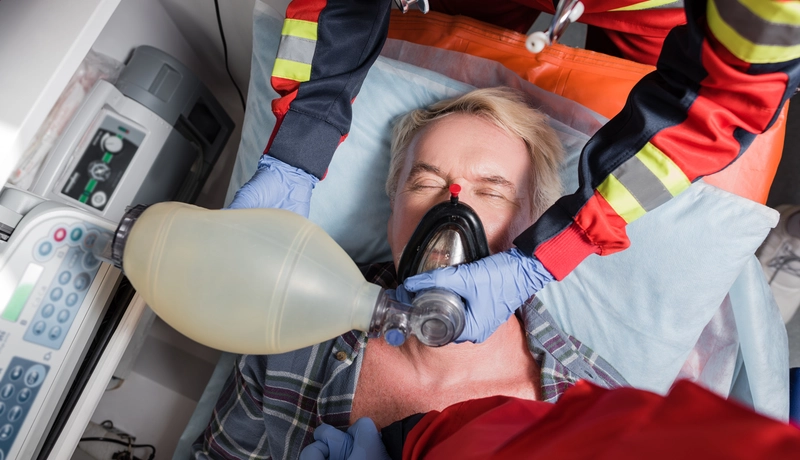
- Keeping the airway open to ensure proper airflow.
This technique is especially critical in maritime environments, where access to advanced medical facilities is limited. By keeping the patient stable until professional help is available, CPR increases survival chances significantly.
The Importance of CPR on Ships
Cardiac arrest is a time-sensitive emergency that requires immediate action. Without CPR, a person’s brain can suffer irreversible damage within minutes, and survival rates drop significantly. On ships, where access to hospitals is hours or even days away, trained medics can bridge this critical gap.
Performing CPR onboard presents unique challenges:
- Remote Locations: Ships are often isolated, making immediate medical evacuation impossible. CPR helps stabilize the patient until further interventions are possible.
- Limited Resources: Maritime settings may lack advanced medical equipment, increasing the reliance on medics’ CPR skills.
- Unstable Environments: Rough seas and confined spaces can make CPR physically demanding, requiring medics to remain calm and focused.
In such scenarios, a trained Maritime Medic can provide life-saving assistance, improving the chances of survival dramatically.
Comprehensive CPR Training at the School of Maritime Medics
At the School of Maritime Medics, our CPR training program is tailored to meet the specific needs of maritime environments. The course, led by certified instructors, combines theoretical knowledge with hands-on practice to ensure medics are prepared for high-pressure situations at sea.
Theoretical Understanding of CPR
The training begins with an in-depth exploration of CPR principles, enabling participants to understand the science behind the technique. Topics covered include:
- The physiological importance of maintaining blood circulation and oxygen delivery during cardiac arrest.
- Recognizing the signs of cardiac arrest, respiratory failure, and related emergencies.
- The importance of timing and how delays in performing CPR affect patient outcomes.
Practical CPR Techniques
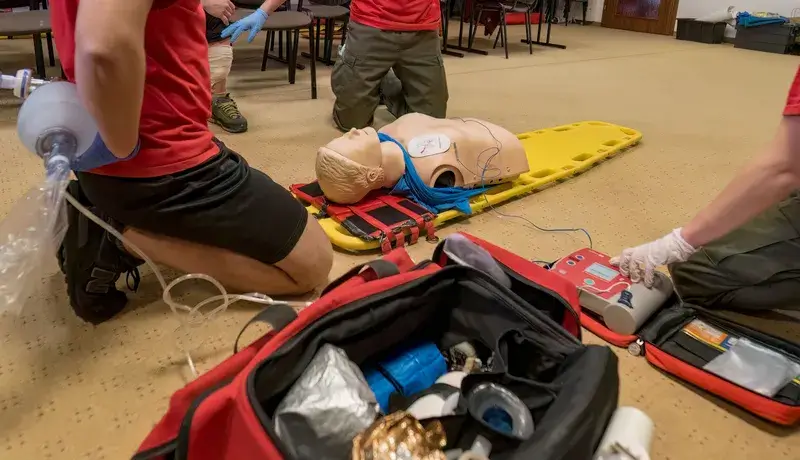
Practical training forms the core of the program. Using specialized mannequins, participants practice real-life scenarios, ensuring they develop the muscle memory and confidence needed to perform CPR effectively. During these sessions, trainees learn:
- How to perform chest compressions at the correct depth (5-6 cm) and rate (100-120 compressions per minute).
- Proper techniques for delivering rescue breaths and ensuring adequate oxygenation.
- Maintaining the airway open using techniques like the head-tilt, chin-lift method.
By the end of the session, medics are proficient in both individual and team-based CPR approaches, ensuring seamless collaboration during emergencies.
Adapting CPR to Maritime Settings
Maritime environments pose unique challenges that require tailored solutions. The training program addresses:
- Performing CPR in Tight Spaces: Techniques for managing emergencies in confined areas, such as cabins or engine rooms.
- Stabilizing During Rough Seas: Practical tips for maintaining stability and performing CPR in unstable conditions.
- Crew Collaboration: Strategies for coordinating with crew members to ensure uninterrupted resuscitation efforts.
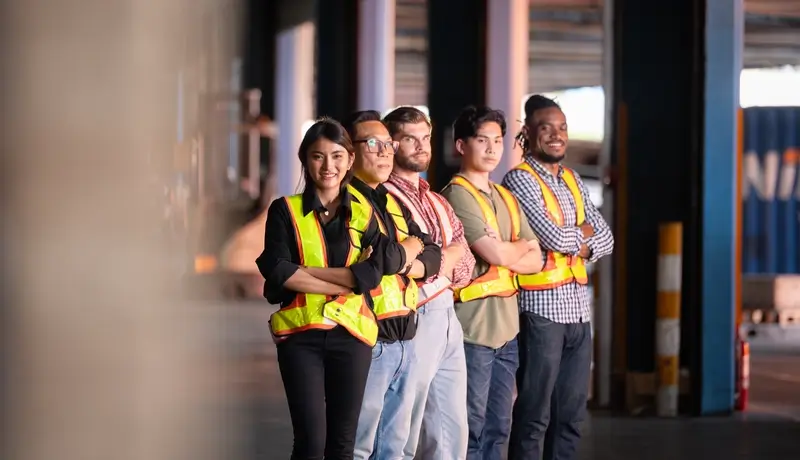
These adaptations make medics more effective in handling emergencies specific to maritime environments.
Defibrillation and Telemedicine Support
While CPR is vital, defibrillation often plays a crucial role in restarting the heart. The training program introduces participants to Automated External Defibrillators (AEDs), teaching them how to:
- Identify when defibrillation is required.
- Operate AEDs safely and effectively.
- Integrate AED use with ongoing CPR efforts to maximize survival chances.
Additionally, trainees learn to use telemedicine tools to communicate with remote doctors during emergencies. This ensures medics receive expert guidance while performing CPR, enhancing patient care quality onboard.
Conclusion: A Vital Skill for Every Maritime Medic
CPR is a critical life-saving skill that no Maritime Medic should be without. Onboard ships, where medical assistance is often hours away, the ability to perform effective CPR can save lives. The School of Maritime Medics provides a comprehensive training program that equips medics with the theoretical knowledge and practical expertise to respond confidently to cardiac emergencies at sea.
Our one-day intensive training program, led by certified professionals, ensures participants are fully prepared to handle high-pressure situations with precision and care. For maritime companies, investing in CPR training is a step toward ensuring crew safety and readiness for emergencies.
Frequently Asked Questions
1. Why is CPR training crucial for Maritime Medics?
CPR training is essential for Maritime Medics because it equips them with the skills to handle life-threatening emergencies like cardiac arrest or respiratory failure. In isolated maritime environments, immediate CPR can save lives when advanced medical facilities are unavailable.
2. How does the CPR training program at the School of Maritime Medics prepare medics for real-life scenarios?
The program combines theoretical knowledge with hands-on practice using advanced mannequins. Trainees simulate realistic scenarios, such as performing CPR in confined spaces or during rough seas, ensuring they are fully prepared for maritime emergencies.
3. What additional skills are covered in the CPR training program?
In addition to CPR, the program includes training on using Automated External Defibrillators (AEDs) and telemedicine communication. These skills enhance the medic’s ability to stabilize patients and collaborate with remote doctors during emergencies.
CPR Training Maritime Medics