Mental Health Challenges Faced by Seafarers: Addressing Isolation, Stress, and Cultural Barriers
Introduction: Understanding the Mental Health Landscape of Seafarers
According to The Maritime Executive, mental health issues among seafarers are a rising concern, exacerbated by the unique challenges they face at sea. Isolation, long work hours, and demanding environments contribute to increased stress, making support programs essential for maritime companies.
Key Mental Health Challenges in the Maritime Industry
1. Isolation and Limited Social Support
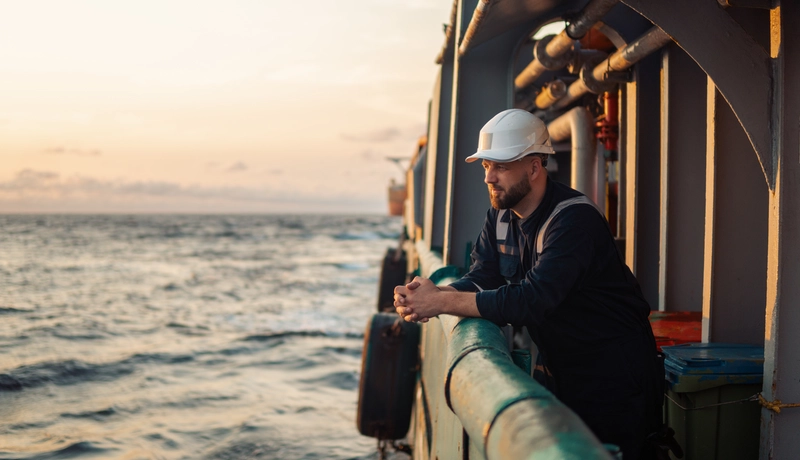
Isolation is a significant factor in the mental health challenges faced by seafarers, leading to loneliness and disconnection from loved ones. Prolonged periods away from family increase the risk of depression, anxiety, and in severe cases, suicide.
2. Cultural Barriers and Help-Seeking Behaviors
Seafarers often come from diverse backgrounds, where mental health stigmas may hinder help-seeking. According to The Maritime Executive, up to 20% of crew members have considered suicide, highlighting the need for culturally aware mental health programs.
3. Stressors Amplified by COVID-19
During the pandemic, seafarers endured travel restrictions and extended contracts, leading to heightened mental strain. Many were separated from family for months, intensifying their psychological stress.
Symptoms and Consequences of Mental Health Issues at Sea
Mental health issues often manifest physically in seafarers, a phenomenon called somatization. Crew members might report headaches, insomnia, or pain that originates from psychological stress. This not only impacts individual well-being but also safety on board, as mental strain can lead to accidents.
Strategies for Supporting Seafarers’ Mental Health
1. Regular Mental Health Screenings
Implementing regular mental health evaluations as part of pre-employment (PEME) and recurrent medical exams (REME) can help address mental health issues proactively.
2. Onboard Mental Health Support
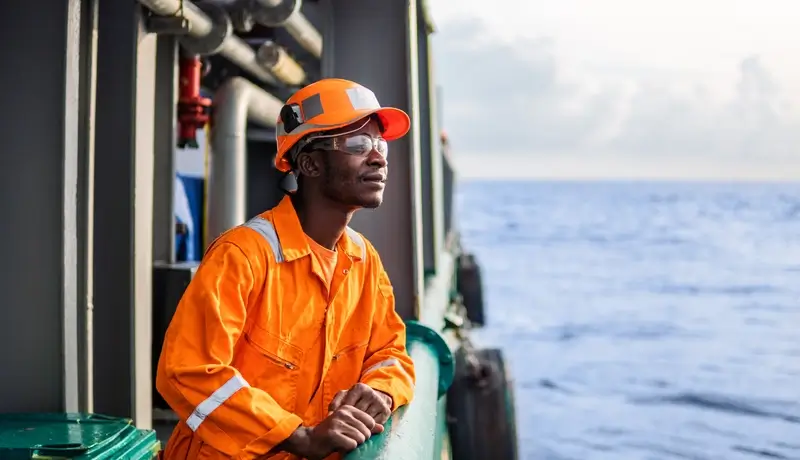
The Maritime Executive emphasizes the importance of onboard mental health liaisons and accessible telemedicine support. This may include counselors and psychologists fluent in crew members’ native languages.
3. Wellness Programs and Connectivity Solutions
Programs to improve social interaction, connectivity, and routines like exercise and sleep are crucial. Services like those provided by ISWAN offer remote mental health support and can be instrumental in supporting crew well-being.
Addressing Long COVID and Post-Infection Mental Health Challenges
Seafarers recovering from COVID-19 may face mental health challenges such as anxiety, PTSD, and cognitive symptoms. Addressing these proactively ensures long-term health and productivity on board.
Conclusion
Addressing mental health in seafarers requires a comprehensive, proactive approach. By implementing support programs, companies can improve seafarers’ quality of life and onboard safety.
Source: Information adapted from Dr. Arthur L. Diskin’s article, “Mental Health Issues in Seafarers” on The Maritime Executive.
Frequently Asked Questions
-
How can a lack of physical activity affect seafarers’ mental health?
- A lack of physical activity during long voyages can lead to increased anxiety, depression, and fatigue. Incorporating exercises and physical activity into seafarers’ daily routines can help improve their mental state and overall well-being.
-
What role do support groups play for seafarers?
- Support groups provide seafarers with a safe space to share their experiences and concerns. By exchanging thoughts and emotions, seafarers can strengthen their psychological resilience and feel less isolated.
-
What can shipping companies do to enhance seafarers’ communication with their families?
- Shipping companies can offer free or affordable connectivity solutions, such as satellite Wi-Fi and phone calls, to enable seafarers to maintain regular communication with their loved ones, reducing feelings of isolation.
