Anemia types and treatment
Understanding Anemia: Types, Symptoms, Causes, and Prevention
Overview
Anemia is a condition in which the body lacks enough healthy red blood cells or hemoglobin to carry adequate oxygen to its tissues. Hemoglobin is a protein in red blood cells that helps transport oxygen from the lungs to other organs and tissues. When you have anemia, it can cause symptoms like tiredness, weakness, and shortness of breath due to low oxygen levels in the body.
There are several forms of anemia, each with unique causes. Anemia can be temporary or chronic, mild or severe, and sometimes it may signal an underlying health problem. Treatment may involve dietary supplements, medical procedures, or adjustments to one’s diet to prevent certain types of anemia.
Types of Anemia
There are various types of anemia, each with specific causes and characteristics:
- Aplastic Anemia: This rare and potentially life-threatening type occurs when the body fails to produce enough new blood cells.
- Iron Deficiency Anemia: The most common type, resulting from insufficient iron in the body.
- Sickle Cell Anemia: An inherited form characterized by abnormally shaped red blood cells that can obstruct blood flow.
- Thalassemia: Another inherited type of anemia affecting hemoglobin production.
- Vitamin Deficiency Anemia: Caused by a lack of essential vitamins like B-12 and folate, crucial for red blood cell production.
Symptoms of Anemia
Anemia symptoms vary depending on the cause and severity. In mild cases, symptoms may not be noticeable initially but typically worsen as the condition progresses. If anemia is due to another medical condition, its symptoms may be masked, making diagnosis challenging. Common symptoms of anemia include:
- Fatigue and weakness
- Shortness of breath
- Pale or yellowish skin
- Irregular heartbeat
- Dizziness or lightheadedness
- Chest pain
- Cold hands and feet
- Frequent headaches
If you experience persistent tiredness, shortness of breath, or any other symptoms that don’t have an obvious cause, it’s important to consult a healthcare provider for a proper diagnosis.
Causes of Anemia
Anemia develops when the blood lacks enough hemoglobin or red blood cells. This can happen due to:
- Decreased Production of Red Blood Cells: Conditions where the body fails to produce enough hemoglobin or red blood cells.
- Blood Loss: Chronic or acute bleeding can lead to anemia if red blood cells are lost faster than they are replaced.
- Destruction of Red Blood Cells: Some types of anemia occur when red blood cells break down faster than they are produced.
What Red Blood Cells Do
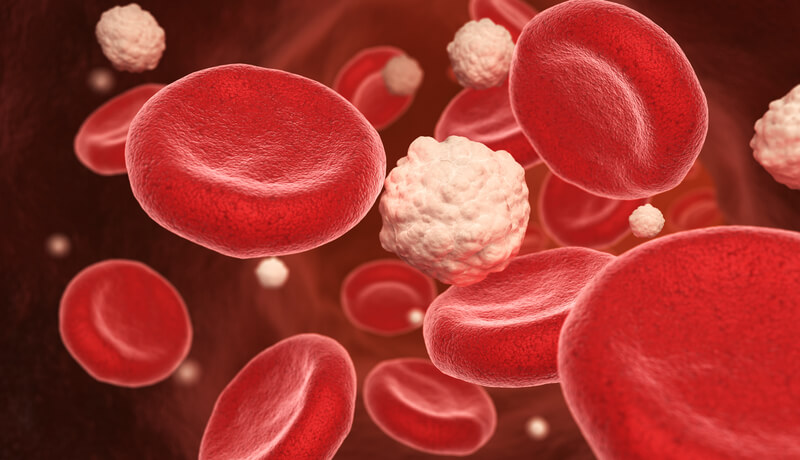
The body produces three main types of blood cells: white blood cells to fight infection, platelets to aid in blood clotting, and red blood cells to carry oxygen. Red blood cells contain hemoglobin, an iron-rich protein that gives blood its red color and enables oxygen transport from the lungs to body tissues and carbon dioxide removal back to the lungs.
Causes of Different Types of Anemia
- Iron Deficiency Anemia: The most common form, caused by a lack of iron, which the bone marrow needs to produce hemoglobin. It often occurs due to inadequate dietary intake, pregnancy, or blood loss.
- Vitamin Deficiency Anemia: A lack of essential vitamins like B-12 and folate can prevent the body from making sufficient healthy red blood cells.
- Anemia of Inflammation: Diseases causing chronic inflammation, such as cancer, HIV/AIDS, or rheumatoid arthritis, can interfere with red blood cell production.
- Aplastic Anemia: This rare type occurs when the body cannot produce enough new blood cells, often due to exposure to toxins, infections, or autoimmune conditions.
- Hemolytic Anemia: This group of disorders involves the destruction of red blood cells faster than they can be replaced, sometimes inherited or due to immune reactions.
- Sickle Cell Anemia: An inherited type of hemolytic anemia where abnormal hemoglobin causes red blood cells to assume a crescent shape, reducing their lifespan.
Risk Factors for Anemia
Certain factors can increase the likelihood of developing anemia:
- Poor Diet: A diet low in essential nutrients like iron, B-12, and folate increases the risk of anemia.
- Digestive Conditions: Issues with nutrient absorption, such as Crohn’s disease or celiac disease, can lead to anemia.
- Menstruation: Heavy menstrual bleeding can deplete iron stores and cause anemia.
- Pregnancy: Pregnant individuals not taking iron and folic acid supplements are at a higher risk of anemia.
- Chronic Illnesses: Conditions like cancer, kidney failure, or diabetes can contribute to anemia due to decreased red blood cell production.
- Family History: A family history of inherited anemias, such as sickle cell anemia, increases risk.
- Other Factors: Certain infections, blood diseases, autoimmune disorders, excessive alcohol intake, toxic chemical exposure, and some medications can affect red blood cell production.
- Age: People over 65 have a higher likelihood of developing anemia.
Complications of Untreated Anemia
If untreated, anemia can lead to numerous health issues, including:
- Severe Fatigue: Anemia can make routine activities difficult due to extreme tiredness.
- Pregnancy Risks: Folate deficiency anemia in pregnancy may lead to complications, including preterm birth.
- Heart Problems: Anemia forces the heart to work harder to supply oxygen, potentially causing irregular heartbeats or even heart failure.
- Life-Threatening Conditions: Certain inherited anemias and rapid blood loss can cause severe anemia, which may be fatal.
Preventing Anemia
While many forms of anemia are not preventable, a balanced diet can reduce the risk of iron deficiency and vitamin deficiency anemias. Include the following in your diet:
- Iron-Rich Foods: Examples include beef, beans, lentils, iron-fortified cereals, dark leafy greens, and dried fruits.
- Folate-Rich Foods: Found in fruits, juices, dark leafy greens, peas, beans, peanuts, and enriched grains like bread, cereals, and pasta.
- Vitamin B-12 Foods: Include meat, dairy, and fortified cereals or soy products for adequate B-12 intake.
- Vitamin C Foods: Citrus fruits, peppers, broccoli, tomatoes, melons, and strawberries. Vitamin C enhances iron absorption from food.
If you’re concerned about meeting your vitamin and mineral needs through food alone, consider consulting a healthcare provider about taking a multivitamin supplement.
Takeaways
Anemia is a common condition with various forms, each with unique causes, symptoms, and treatments. While some types are preventable through a balanced diet, others may require medical intervention. It’s important to monitor symptoms and seek medical advice if you experience fatigue, weakness, or other signs of anemia to address any underlying health issues.
Request your Appointment by clicking on the picture below.