
Ankylosing Spondylitis Symptoms
Ankylosing Spondylitis: What It Is and How to Manage It
Ankylosing Spondylitis (AS) is a chronic condition that causes inflammation in the joints of the spine. This can lead to pain, stiffness, and restricted movement. It can also affect other joints, such as the hips, knees, and pelvic joints.
What Is Ankylosing Spondylitis?
AS belongs to a group of conditions known as spondyloarthritis. These conditions share common traits, such as inflammation in the spine and sacroiliac joints. Over time, AS may cause the vertebrae to fuse together (vertebral fusion), significantly limiting the spine’s mobility.

Who Is Affected?
- The condition is more common in men aged 20-40 years.
- The HLA-B27 gene is associated with a higher risk of developing AS.
- It is more prevalent in men than women.
Symptoms of Ankylosing Spondylitis
The symptoms of AS can begin mildly, often resembling common back pain. However, over time, they may become more severe.
Key Symptoms
- Lower back or neck pain, especially worse in the morning.
- Pain in the buttocks or pelvic joints.
- Stiffness that limits movement.
- Eye inflammation, causing pain and redness.
- A feeling of fatigue, particularly when the condition is active.
Symptoms in Children
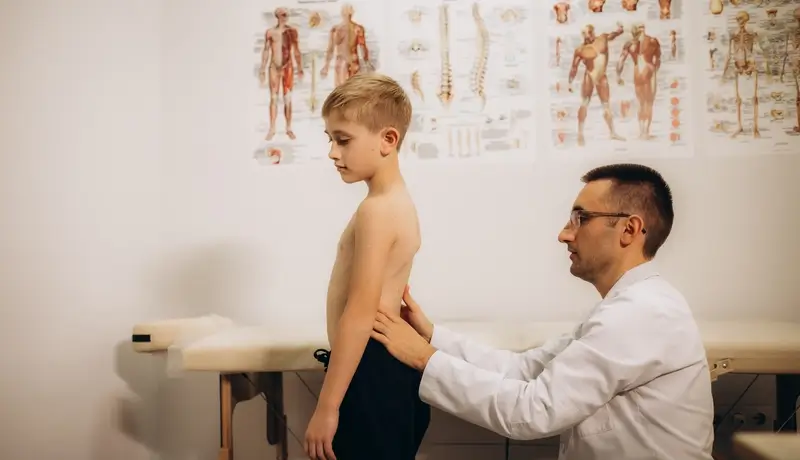
In younger individuals, the condition may start with pain in the hips or lower limbs rather than typical lower back pain. Parents or caregivers may notice the child avoiding certain activities or struggling to participate in physical exercises due to stiffness or pain. In some cases, early symptoms can mimic an injury or muscle fatigue.
What Causes Ankylosing Spondylitis?
The exact cause of AS is unknown, but the HLA-B27 gene plays a significant role in its development. However, having the gene does not necessarily mean someone will develop the disease. Other factors, such as environmental triggers and infections, may contribute to activating the condition in predisposed individuals. It is also important to note that AS is not contagious and cannot be transmitted from person to person.
How Is It Diagnosed?
The diagnosis is based on:
- The patient’s history and symptoms.
- Blood tests to detect inflammation.
- Imaging tests, such as X-rays and MRI scans.
How Is Ankylosing Spondylitis Treated?
Treatment aims to reduce pain and inflammation while preserving mobility. It includes:
Medications
- Anti-inflammatories: Relieve pain and stiffness.
- DMARDs: Help minimize joint damage.
- Biologic therapies: Used for severe cases.
- Corticosteroids: Reduce symptoms during flare-ups.
Physical Therapy
Physical therapy plays a key role in maintaining mobility and reducing stiffness. Specific exercises focusing on improving spinal flexibility and maintaining proper posture are especially important. Additionally, hydrotherapy, or exercise in a heated pool, provides pain relief and facilitates movement for those with limited mobility. Consistency in performing these exercises is critical for long-term results.
Surgical Treatment
Surgery is rarely needed but may be necessary in severe cases where joint damage significantly impacts daily life. In such cases, joint replacement procedures, such as hip or knee replacements, can reduce pain and improve mobility. Additionally, rare corrective surgeries on the spine may be performed to improve posture but are recommended only in very severe cases.
Tips for Daily Life
Patients can improve their quality of life by following practical tips:
- Regular exercise: Helps maintain flexibility and proper movement. Gentle stretches and daily physical activity can reduce stiffness.
- Good posture: Maintaining a balanced posture reduces strain on the spine and joints.
- Avoid smoking: Smoking negatively impacts bone health and can worsen inflammation.
- Healthy diet: Rich in nutrients, it supports joint health and overall body resilience.
Conclusion
Ankylosing spondylitis can be effectively managed with proper treatment, monitoring, and lifestyle changes. With the right support, patients can maintain a good quality of life, minimizing the impact of the condition on their daily activities.
Ankylosing Spondylitis Symptoms
Frequently Asked Questions
-
What is the difference between ankylosing spondylitis and osteoarthritis?
Ankylosing spondylitis is an inflammatory condition primarily affecting the spine, whereas osteoarthritis is a degenerative disease that causes joint wear and tear due to age or overuse. -
What daily activities can help manage ankylosing spondylitis?
Regular light exercise, such as walking or swimming, maintaining proper posture during work, and avoiding prolonged sitting can help reduce symptoms. -
Can diet influence the progression of ankylosing spondylitis?
Yes, a diet rich in anti-inflammatory foods like fruits, vegetables, and omega-3 fatty acids can help reduce inflammation and improve overall health.
Ankylosing Spondylitis Symptoms