Atherosclerosis Treatment
Overview of Atherosclerosis Treatment
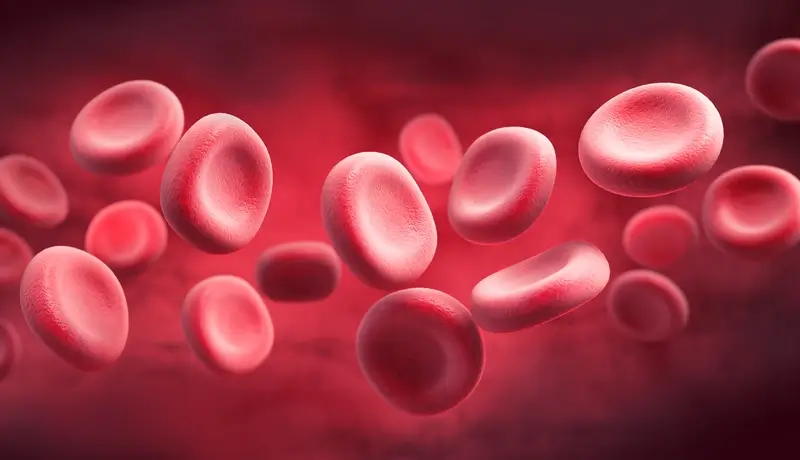
Atherosclerosis is a medical condition where fatty deposits, cholesterol, and other substances accumulate in the walls of arteries. This buildup, known as plaque, causes the arteries to narrow and harden, restricting blood flow to vital organs and tissues. Over time, the reduced blood supply can lead to severe complications such as heart attacks, strokes, or chronic kidney disease.
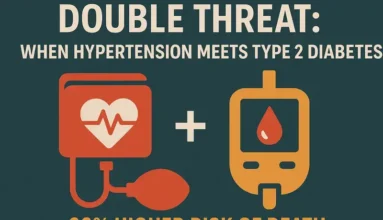
This condition, often classified as a type of arteriosclerosis, develops gradually and is influenced by various risk factors, including high blood pressure, high cholesterol, smoking, diabetes, and obesity. Early symptoms may not always be evident, making it crucial to prioritize regular health check-ups.
However, with timely diagnosis and effective treatment, atherosclerosis can be managed successfully. Treatment typically involves lifestyle modifications, such as adopting a heart-healthy diet, engaging in regular exercise, and quitting smoking. Additionally, medications to control cholesterol and blood pressure, along with surgical interventions in more advanced cases, can help restore blood flow and prevent further complications. Early action is key to slowing its progression and improving overall health.
Symptoms of Atherosclerosis
Mild atherosclerosis is often asymptomatic. Symptoms typically arise only when the condition has progressed significantly, leading to narrowed or blocked arteries. Common symptoms based on affected arteries include:
- Coronary Arteries: Chest pain (angina) and shortness of breath.
- Carotid Arteries: Signs of transient ischemic attacks (TIAs) such as weakness or numbness in limbs, slurred speech, or loss of vision in one eye.
- Peripheral Arteries: Pain while walking (claudication), numbness, or weakness in the legs.
- Renal Arteries: High blood pressure and reduced kidney function.
Seek medical attention if you experience any of these symptoms to prevent complications such as heart attacks or strokes.

Causes and Risk Factors
Atherosclerosis develops gradually due to damage to the inner lining of the arteries. Contributing factors include:
- High blood pressure

- Elevated cholesterol and triglycerides
- Smoking or prolonged tobacco use

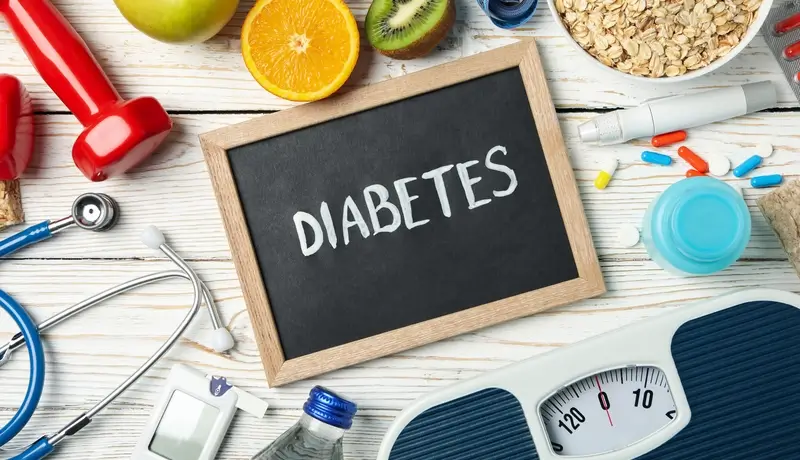
- Diabetes and insulin resistance

- Inflammatory conditions like arthritis or lupus
Over time, plaque buildup narrows the arteries, leading to reduced blood flow or blockages. You can read more about managing these risks in our article on blood pressure management.
Complications of Atherosclerosis
Untreated atherosclerosis can lead to life-threatening complications, depending on which arteries are affected:
- Coronary Artery Disease: May cause chest pain, heart attacks, or heart failure.
- Carotid Artery Disease: Can result in TIAs or strokes.
- Peripheral Artery Disease (PAD): Leads to claudication or gangrene in severe cases.
- Aneurysms: A bulge in the artery wall that may rupture, causing internal bleeding.
- Chronic Kidney Disease: Reduced blood flow to the kidneys impairs their function.
Diagnosis and Tests
To diagnose atherosclerosis, doctors use a combination of medical history, physical exams, and diagnostic tests:
- Blood Tests: Evaluate cholesterol levels and inflammation markers such as C-reactive protein (CRP).
- Electrocardiogram (ECG): Detects irregular heart activity caused by reduced blood flow.
- Echocardiogram: Visualizes the heart and blood flow using sound waves.
- Angiography: Uses a dye to reveal narrowed or blocked arteries.
- Coronary Calcium Scan: Detects calcium deposits in coronary arteries.
For a comprehensive list of diagnostic services, visit our page on diagnostic laboratory services.
Treatment of Atherosclerosis
Treatment involves a combination of lifestyle changes, medications, and, in severe cases, surgical interventions.
Lifestyle Modifications
Making heart-healthy lifestyle changes is essential for managing atherosclerosis. These include:
- Eating a balanced diet rich in fruits, vegetables, and whole grains
- Engaging in regular physical activity
- Maintaining a healthy weight
- Quitting smoking
- Managing stress through mindfulness or relaxation techniques
Medications
Medications can help manage symptoms and reduce the risk of complications:
- Statins: Lower cholesterol levels and slow plaque buildup.
- Antiplatelets: Reduce blood clot formation.
- Blood Pressure Medications: Help control hypertension.
- Anticoagulants: Thin blood to prevent clots.
Surgical Interventions
In advanced cases, surgical procedures may be required to restore blood flow:
- Angioplasty and Stent Placement: Opens blocked arteries and keeps them open using stents.
- Coronary Bypass Surgery: Creates a new pathway for blood to bypass blocked arteries.
- Endarterectomy: Removes plaque from arteries.
Prevention of Atherosclerosis
To prevent atherosclerosis, consider adopting these strategies:
- Quit smoking or using tobacco products
- Eat a diet low in saturated fats and high in fiber
- Exercise regularly (at least 150 minutes per week)
- Manage chronic conditions like diabetes or high blood pressure
- Maintain a healthy weight
Frequently Asked Questions (FAQs)
-
Can atherosclerosis be reversed?
- While atherosclerosis cannot be fully reversed, adopting a healthy lifestyle—such as eating a balanced diet, exercising regularly, and quitting smoking—can slow its progression. In some cases, medications and procedures can help reduce plaque buildup and improve symptoms.
-
What are the first warning signs of atherosclerosis?
- Early atherosclerosis often has no symptoms. However, advanced stages may cause chest pain (angina), pain in the legs while walking (claudication), or sudden weakness and numbness in the limbs. These symptoms warrant immediate medical attention.
-
How is atherosclerosis diagnosed?
- Atherosclerosis is diagnosed through medical history, physical exams, and tests like blood work (to check cholesterol levels), electrocardiograms (ECGs), and imaging scans (e.g., CT, MRI, or angiograms) to identify blockages or narrowed arteries.
-
Is atherosclerosis preventable?
- Yes, atherosclerosis can be prevented by leading a healthy lifestyle. Key practices include eating a heart-friendly diet, staying physically active, avoiding smoking, managing chronic conditions like diabetes, and maintaining normal cholesterol and blood pressure levels.