
Caloric Intake And Energy Balance
Understanding Calories and Energy Balance
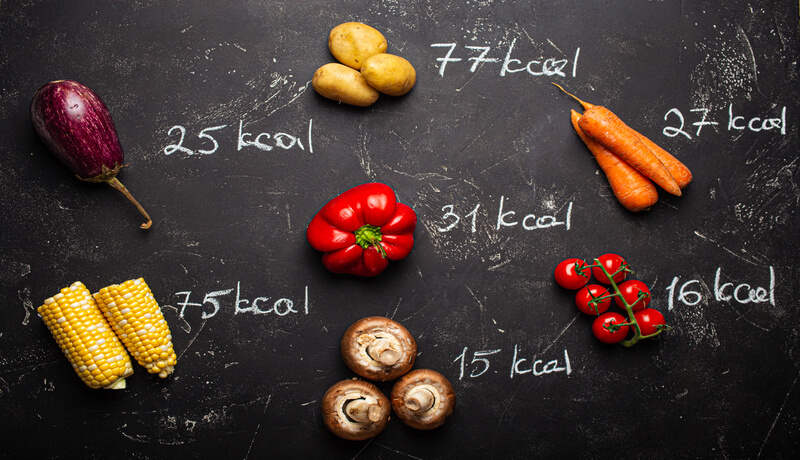
Calories serve as units of energy that food supplies to our bodies, powering everything from basic cellular functions to physical movements. When we digest food, our bodies extract this energy. However, not all ingested food gets fully absorbed, sometimes leaving a portion of the calories unused.
Excess Energy and Weight Gain
When we consume more energy than our immediate needs, our bodies store the excess. Mainly, this extra energy becomes fat, with some also being stored as carbohydrates in the liver and muscles. If this pattern of consumption continues, weight gain is the inevitable result.
The Body’s Response to Calorie Deficits
On the flip side, consuming too few calories triggers the body to use up stored carbohydrates from the liver and muscles first, leading to quick weight loss initially. This rapid loss is partly due to water loss. Once these stores deplete, the body turns to fat for energy, slowing down weight loss since fat packs more energy per unit. Fat reserves are ample, providing a long-term energy source.
Protein’s Role in Energy Consumption
The body also uses protein for energy, but less so than carbohydrates and fats. It tends to preserve protein, resorting to significant breakdown only during extreme energy shortages. In dire situations, like complete starvation, the body depletes its fat and protein reserves, potentially leading to death within 8 to 12 weeks.
Daily Caloric Needs
Individuals’ energy requirements vary widely, impacted by age, gender, weight, activity level, health conditions, and metabolic rate. Daily calorie needs can range from 1,000 to over 3,200, escalating with increased physical activity. Typically, males and physically active people require more calories than females and those less active.

Adjusting for Activity Levels
These calorie guidelines are broad estimates, as actual energy needs fluctuate with daily activities. The notion of dividing calorie intake by day is somewhat arbitrary, especially considering the low physical activity levels of less than 10% of Americans meeting recommended guidelines. Engaging in vigorous activities, particularly aerobic exercises, significantly boosts calorie needs, whereas a lack of activity decreases them.

Caloric Intake And Energy Balance