
Managing Depression Symptoms Effectively
Understanding Depression: Symptoms, Causes, and Treatments
A comprehensive guide to recognizing, understanding, and managing depression.
What Is Depression?
Depression, also known as major depressive disorder, is a serious and common mental health condition. It profoundly affects the way individuals feel, think, and perceive the world, often interfering with daily functioning and quality of life.
According to a 2023 national survey, nearly 29% of adults have experienced depression at some point in their lives, with approximately 18% currently living with depression. Statistically, women and younger adults are more likely to experience depression compared to men and older adults.
While depression can appear at any age, it often first emerges during late adolescence or early adulthood. However, symptoms can vary widely among individuals, making early recognition crucial.

Symptoms of Depression
The symptoms of depression can encompass emotional, cognitive, and physical changes, each affecting various aspects of daily life. Common symptoms include:
- Persistent feelings of sadness, irritability, or hopelessness.
- Loss of interest or pleasure in previously enjoyable activities.
- Significant changes in appetite and/or weight, either increase or decrease.
- Disrupted sleep patterns, such as insomnia or excessive sleeping.

- Fatigue or decreased energy levels, often noticeable to others.
- Observable changes in physical activity, including restlessness or slowed movements.
- Feelings of worthlessness, guilt, or self-criticism.
- Difficulty concentrating, making decisions, or remembering details.

- Recurring thoughts of death or suicidal ideation.
For a clinical diagnosis, these symptoms must persist for most of the day, nearly every day, over a period of two weeks. Additionally, they must cause significant impairment in areas such as work, relationships, and hobbies.
Risk Factors for Depression
Depression does not discriminate and can affect anyone, regardless of background. Several factors, however, increase the likelihood of developing depression:
- Biochemical Factors: Imbalances in brain chemicals like serotonin, dopamine, and norepinephrine.
- Genetic Predisposition: A family history of depression significantly raises susceptibility. For instance, if one identical twin has depression, the other has a 70% chance of developing it as well.
- Personality Traits: People with low self-esteem or those prone to stress often have a higher risk.
- Environmental Factors: Prolonged exposure to violence, neglect, abuse, or poverty also contributes to higher risks.
While these factors increase susceptibility, having one or more of them does not guarantee the development of depression.
Treatment Options for Depression
Fortunately, depression is highly treatable, with approximately 70-90% of patients responding positively to treatment. Effective management typically combines various approaches tailored to the individual’s needs. These include:
1. Medication
Antidepressant medications help regulate brain chemistry to alleviate symptoms. Although noticeable improvement may occur within the first two weeks, full benefits often take two to three months. For individuals experiencing side effects or insufficient relief, adjustments in dosage or type of medication may be necessary.
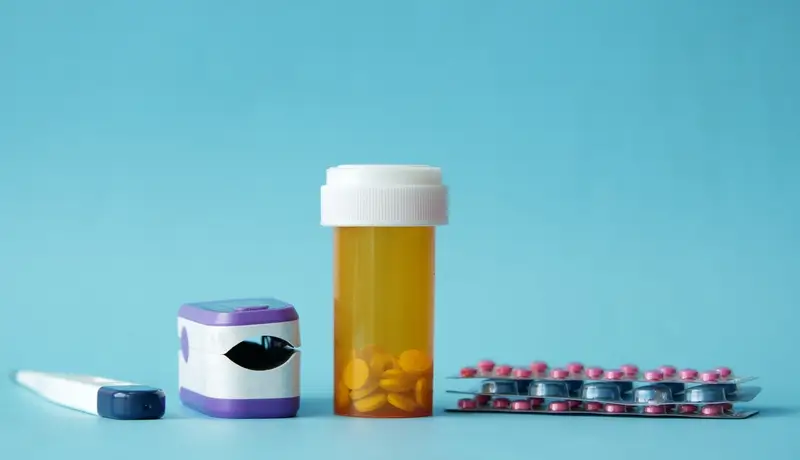
Additionally, psychiatrists often recommend continuing medication for six or more months after recovery to prevent relapses.
2. Psychotherapy
Cognitive Behavioral Therapy (CBT) is a widely used method focusing on identifying and correcting harmful thought patterns. This therapy helps patients develop healthier coping mechanisms and may be used alone or alongside medication.
For many, significant progress can be achieved within 10 to 15 sessions, though the duration may vary based on individual circumstances.

3. Electroconvulsive Therapy (ECT)
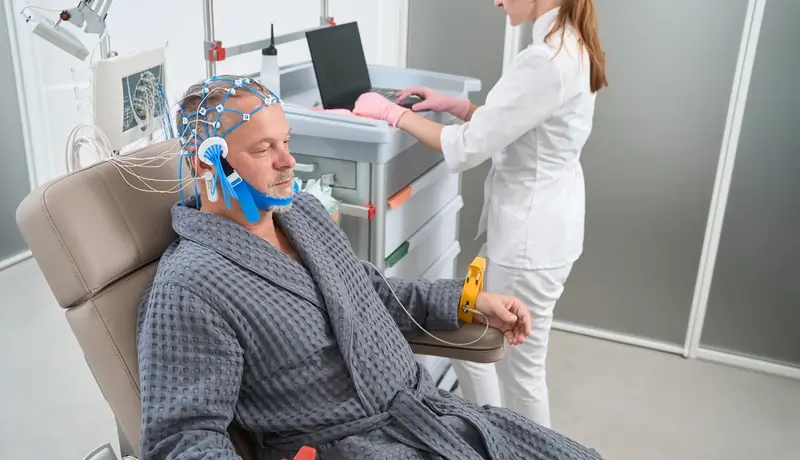
In severe cases where other treatments prove ineffective, ECT may be considered. This involves brief electrical stimulation of the brain under anesthesia. Typically, patients undergo 6-12 sessions over several weeks. Though often misunderstood, ECT is a safe and highly effective treatment option for refractory depression.
Self-Help and Coping Strategies
While professional treatments are crucial, lifestyle changes can complement recovery. Effective self-help strategies include:
- Engaging in regular physical exercise to boost mood and energy.
- Maintaining a consistent sleep schedule to support mental clarity.
- Adopting a balanced diet with brain-healthy nutrients.
- Reducing or eliminating alcohol and substance use.
- Connecting with supportive friends, family, or peer groups.
By integrating these practices into daily life, individuals can enhance their overall well-being and reduce the severity of symptoms.
Depression vs. Sadness or Grief
While sadness and grief are natural responses to life’s challenges, they differ significantly from clinical depression. For instance:
- Sadness: Feelings of loss and sorrow often fluctuate and may coexist with positive memories.
- Depression: A persistent low mood coupled with loss of interest in most activities.
- Grief: Self-esteem is usually maintained despite the sadness.
- Depression: Intense feelings of worthlessness and self-loathing are common.

Distinguishing between these conditions is essential for obtaining appropriate care and support. If grief and depression co-occur, the intensity of symptoms may require professional intervention.