
Dyspnea causes
Dyspnea: Understanding Shortness of Breath
Dyspnea, commonly known as shortness of breath, refers to the unsettling feeling of not being able to get enough air. It often manifests as chest tightness, rapid breathing, or an intense need to gasp for air. Although various heart and lung conditions are frequently linked to dyspnea, other factors, such as intense physical exertion, allergies, or even anxiety, can also trigger it.
Overview
What is Dyspnea?
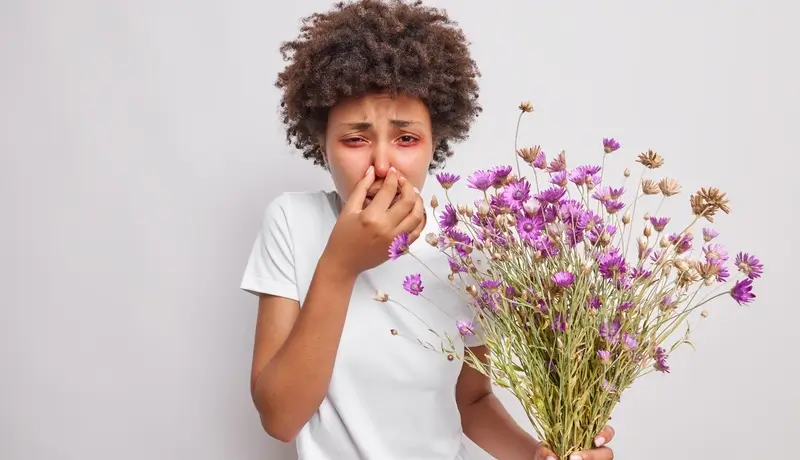
Dyspnea (pronounced “DISP-nee-uh”) is the medical term used by healthcare providers to describe a sensation of shortness of breath. Symptoms range from chest tightness and labored breathing to a constant feeling of “air hunger.” While dyspnea is often associated with heart and lung issues, it can also signal other conditions, such as asthma, allergies, or even intense physical activity. Therefore, it is essential to understand its various causes and triggers.
Types of Dyspnea
- Paroxysmal Nocturnal Dyspnea (PND): This type causes sudden breathlessness an hour or two after sleep begins, often leading to gasping for air.
- Sighing Dyspnea: In this type, you may find yourself frequently sighing to relieve the sensation of dyspnea.
- Acute Dyspnea: This is short-term breathlessness caused by factors like allergies, exercise, illness, or, in some cases, serious conditions such as a heart attack or pulmonary embolism.
- Chronic Dyspnea: Lasting breathlessness, often due to ongoing conditions such as asthma, COPD, or heart failure, defines chronic dyspnea.
Who is at Risk?
Almost anyone can experience shortness of breath; nonetheless, certain factors increase risk. For example, lack of regular exercise, anemia, anxiety, respiratory conditions, and a history of smoking all contribute. Additionally, being overweight (BMI over 30) increases the risk.

Symptoms of Dyspnea
Dyspnea symptoms vary; however, they often include:
- Chest tightness or discomfort
- Shallow or rapid breathing (tachypnea)
- Wheezing or noisy breathing
- Weak pulse or palpitations
- Difficulty taking a deep breath
Causes of Dyspnea
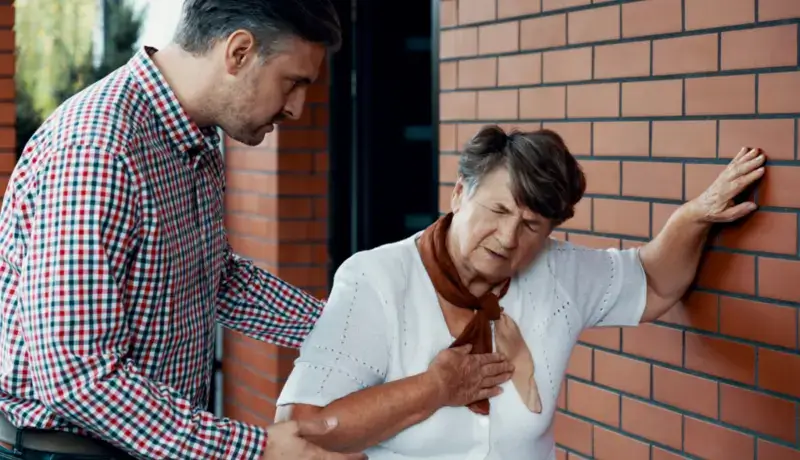
Heart and lung conditions are the primary causes of dyspnea. These organs must work in tandem to ensure that blood receives enough oxygen and expels carbon dioxide. Therefore, any disruption in this system can lead to shortness of breath. Moreover, factors like altitude, temperature, or pollutants can worsen it.
Common Causes
- Lung Conditions: Asthma, COPD, pneumonia, pulmonary embolism, and lung cancer are all potential causes of dyspnea.
- Heart Conditions: Heart failure, arrhythmia, pericarditis, and cardiomyopathy can restrict proper airflow, causing breathlessness.
- Other Factors: Anemia, obesity, anxiety, allergies, and certain medications may also lead to dyspnea.
Diagnosis
To diagnose dyspnea accurately, healthcare providers will often perform a physical exam, listen to your lungs, and measure blood oxygen levels. Additionally, various tests can provide insight:
- Chest X-ray or CT scan to assess for lung issues.
- Blood tests to check for anemia or infection.
- Lung function tests to evaluate breathing efficiency.
- Cardiopulmonary exercise testing (treadmill or stationary bike) to measure oxygen and carbon dioxide levels during exertion.
Treatment for Dyspnea
Treatment largely depends on the underlying cause. However, common treatments that can help improve breathing include:
- Exercise: Regular exercise strengthens the heart and lungs, allowing them to function more efficiently.

- Breathing Techniques: Practicing breathing exercises can alleviate breathlessness caused by anxiety or lung conditions.
- Medication: Bronchodilators can relax airways, while pain and anxiety medications provide additional relief.
- Oxygen Therapy: Supplemental oxygen is beneficial if blood oxygen levels are low.
Prevention
Preventing dyspnea involves managing underlying conditions and adopting certain lifestyle changes. For instance, you can reduce your risk by:
- Exercising regularly to build lung capacity and endurance.
- Avoiding inhaling irritants, such as smoke or fumes.
- Practicing breathing exercises and relaxation techniques to reduce anxiety.
- Maintaining a healthy weight for improved lung efficiency.
- Avoiding extreme temperatures and checking air pollution levels to minimize lung irritation.
When to Seek Medical Attention
It is essential to seek immediate help if you experience severe dyspnea accompanied by any of the following symptoms:
- Chest pain or pressure
- Sudden or severe breathlessness
- Blue-tinted lips or nails
- Swelling in ankles or feet
In conclusion, although shortness of breath can be unsettling, most cases are manageable. However, it’s crucial to consult a healthcare provider to diagnose and address any serious underlying issues. Doing so can make a significant difference in your quality of life.
Frequently Asked Questions
1. Is shortness of breath always caused by medical conditions?
- No, shortness of breath can also be affected by external factors, such as:
- Air quality (pollution or smoke).
- Sudden temperature changes.
- High altitude or low oxygen environments.
2. Can diet impact shortness of breath?
- Yes, an unhealthy diet can strain the cardiovascular and respiratory systems.
- A diet high in fats or salt increases the risk of heart failure.
- Obesity reduces lung capacity.
- On the other hand, a balanced diet supports overall health.
3. Are there natural methods to prevent shortness of breath?
- Yes, beyond medical treatment, you can:
- Incorporate daily walking or light exercise into your routine.
- Use relaxation techniques, like diaphragmatic breathing or yoga.
- Avoid environments with irritants, such as smoke and chemicals.
Request your Appointment by clicking on the picture below.
