Easy bruising disorders
Understanding Easy Bruising and Bleeding
Overview of Bleeding Disorders
Easy bruising and bleeding may indicate underlying health issues, especially when they occur without clear reasons. For example, spontaneous bleeding often appears in the nose, mouth, and digestive areas. Moreover, this problem is typical in people with hemophilia, where bleeding usually targets joints and muscles. Consequently, the severity can range from minor to very serious. In particular, any bleeding in the brain is considered a critical medical emergency.
Symptoms and Their Causes
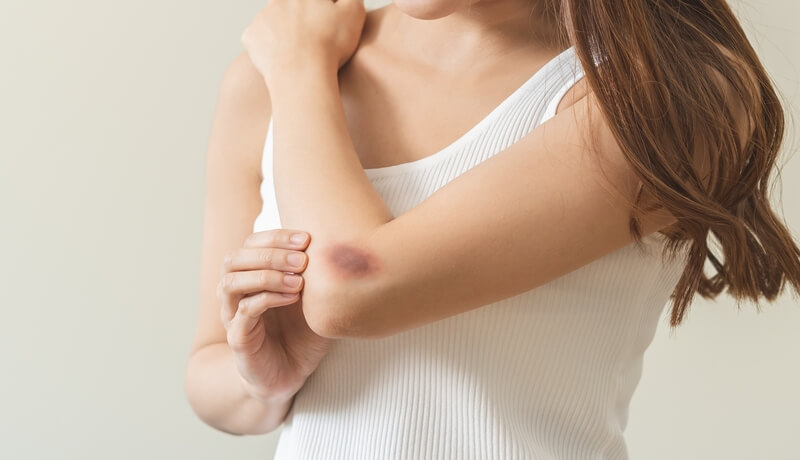
Signs of a bleeding disorder include unexpected nosebleeds, heavy menstrual flow, and prolonged bleeding from small cuts. Additionally, tiny red or purple dots on the skin (known as petechiae), larger discolored patches (purpura), visible tiny blood vessels (telangiectasias), and bruises are common symptoms. Importantly, these issues mainly stem from problems with platelets, clotting proteins, and blood vessel function. For instance, faulty platelets can lead to petechiae and serious bleeding. Furthermore, low levels of clotting proteins often result in widespread bruising and bleeding, while issues in blood vessels typically manifest as skin discolorations.
Common and Uncommon Causes
The usual reasons for easy bleeding include low platelet counts, blood-thinning medications like heparin or warfarin, and liver conditions that affect clotting. On the other hand, rarer causes include genetic conditions like hemophilia, which can lead to significant internal bleeding following minor injuries. In such cases, this can be life-threatening if bleeding occurs in the brain.
Diagnosing and Treating Bleeding Issues
To diagnose a bleeding disorder, doctors begin by checking symptoms and medical history, followed by a physical exam. They may also run tests to evaluate blood cells and clotting functions. Subsequently, treatments depend on the underlying cause, which may involve stopping certain medications, administering vitamins, or treating conditions like liver issues or infections. In severe cases, blood transfusions may be necessary.
Considerations for Older Adults
Aging increases the risk of bruising, as skin thins and blood vessels weaken. Additionally, many older adults use medications that heighten bleeding risks. Thus, they require careful monitoring to prevent serious complications.
Conclusion
By understanding the symptoms, causes, and treatment options for easy bruising and bleeding disorders, individuals can take proactive steps to manage their health effectively.
Request your Appointment by clicking on the picture below.