Epididymitis causes and treatment
Understanding Epididymitis: Causes, Symptoms, and Treatment
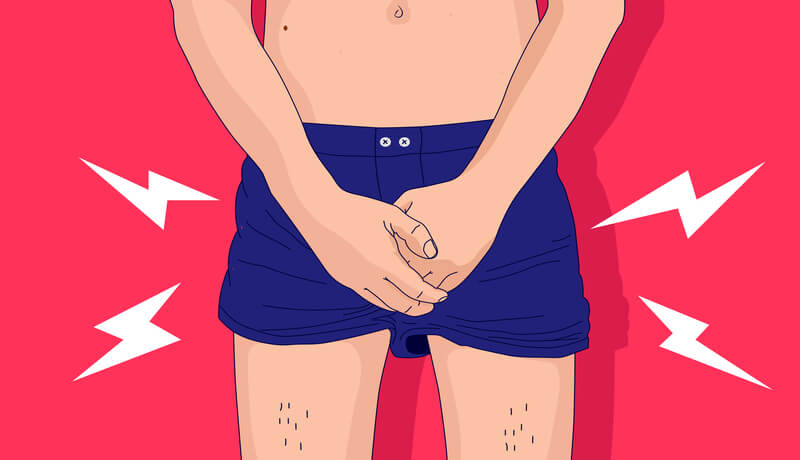
Epididymitis is the swelling of the epididymis, a coiled tube located behind each testicle that stores and transports sperm. This condition often leads to pain and discomfort in the scrotum or testicle, causing swelling and other symptoms. Although epididymitis can happen at any age, it is most common in people aged 14 to 35.
What Causes Epididymitis?
In many cases, the cause of epididymitis varies depending on a person’s age, sexual activity, and general health. Typically, most cases are caused by bacteria; however, some are due to viruses or medications. Here are the main causes:
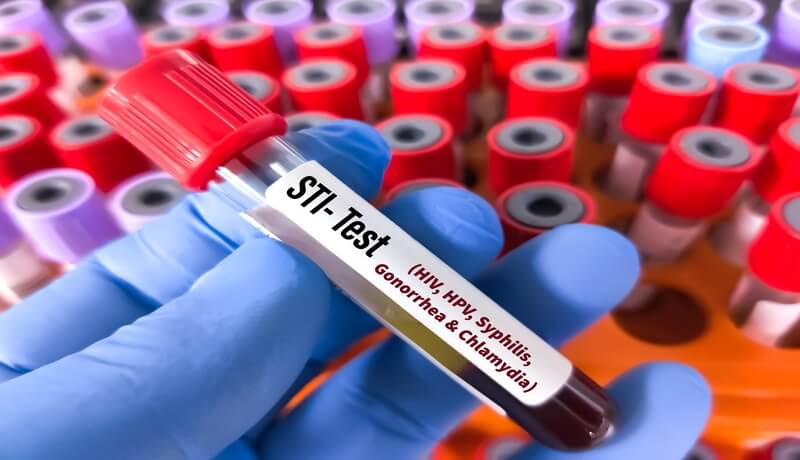
- Sexually Transmitted Infections (STIs): For people under 35, STIs like gonorrhea and chlamydia are common causes. Because these infections often start in the urinary tract, they may spread to the epididymis.
- Urinary Tract Infections (UTIs): In older adults, UTIs can travel from the bladder to the epididymis. Often, bacteria like E. coli cause this type of infection.
- Other Infections: Occasionally, viruses such as the mumps virus or, more rarely, tuberculosis, can lead to epididymitis.
- Non-infectious Causes: Sometimes, non-infectious factors like urinary blockages, inflamed prostate, groin injuries, or certain drugs, like amiodarone (used for heart rhythm issues), may also cause epididymitis.
Types of Epididymitis
Generally, there are two main types of epididymitis:
- Acute Epididymitis: This type occurs suddenly, often because of bacterial infections, and usually improves with antibiotics.
- Chronic Epididymitis: Chronic epididymitis involves pain or discomfort that lasts six weeks or more. Although symptoms may come and go, they are often less severe than acute cases.
How Common is Epididymitis?
Epididymitis is fairly common, with an estimated 600,000 cases reported each year in the United States alone. This condition affects people of all ages, especially those who are sexually active and under 35.
Symptoms of Epididymitis
The symptoms of epididymitis can vary in intensity and may affect one or both testicles. Common symptoms include:
- Pain in the Scrotum: Pain often begins on one side of the scrotum and can spread to the groin. It may feel like an ache or a sharp pain.
- Swollen Testicles: Swelling may cause one or both testicles to become visibly larger and tender.
- Fever and Chills: Fever may occur as the body fights infection, often with chills as well.
- Painful Urination: Pain or a burning feeling while urinating is common and may indicate infection.
- Blood in Semen: Blood in semen, called hematospermia, can result from inflammation.
Diagnosis of Epididymitis
Doctors diagnose epididymitis through a physical exam, medical history, and a series of tests. Here are the typical steps:
- Physical Exam: The doctor will check for swelling, tenderness, and lumps in the scrotum.
- Urine Test: A urine sample can show bacteria and help identify infections.
- Blood Test: Blood tests can detect infection or inflammation in the body.
- Bacterial Swabs: For STIs, a swab taken from the urethra checks for infections like gonorrhea or chlamydia.
- Ultrasound: In some cases, an ultrasound helps confirm inflammation and rule out other issues like testicular torsion.

How is Epididymitis Treated?
The treatment for epididymitis depends on the underlying cause. Here are the common approaches based on different causes:
Bacterial Epididymitis
Most bacterial infections are treated with antibiotics, which are generally taken for one to two weeks. Common antibiotics for bacterial epididymitis include:
- Doxycycline
- Ciprofloxacin
- Levofloxacin
- Trimethoprim-sulfamethoxazole
In more severe cases, or if the infection does not go away, a longer antibiotic course may be needed.
Tuberculosis Epididymitis
When tuberculosis is the cause, doctors prescribe antituberculosis drugs, which may include:
- Isoniazid
- Pyrazinamide
- Rifampin
- Ethambutol
Typically, recovery from tuberculosis epididymitis requires six to nine months of medication.
Amiodarone-Induced Epididymitis
If the heart medication amiodarone causes epididymitis, doctors may need to adjust the dosage or switch to a different medication. Be sure to consult your healthcare provider before making any changes.
Surgical Treatment Options
In rare cases, surgery may be necessary for severe or recurrent cases. Surgical options include:
- Epididymectomy: Removal of the affected epididymis, especially when infections keep returning.
- Orchiectomy: Removal of one or both testicles may be considered as a last resort in extreme cases.
Self-Care for Epididymitis
Along with medical treatment, some home care steps can help relieve symptoms of epididymitis:
- Rest and Avoid Physical Activity: Taking time to rest allows the body to heal more effectively.
- Scrotal Support: Elevating the scrotum with supportive underwear or a towel can reduce swelling.
- Cold Compress: Applying an ice pack for 15-20 minutes can ease pain and reduce inflammation.
- Stay Hydrated: Drinking enough fluids supports the immune system in fighting infection.
- Pain Relievers: Over-the-counter pain relievers, like ibuprofen, may help reduce pain, though you should check with a doctor before use.
Recovery Time for Epididymitis
Recovery time depends on the type and cause of epididymitis:
- Bacterial Epididymitis: Most people feel relief within a few days of starting antibiotics, though swelling may take weeks to subside completely.
- Tuberculosis Epididymitis: Treatment may last up to nine months with specific medications to fully clear the infection.
- Amiodarone-Induced Epididymitis: Symptoms generally improve after adjusting or discontinuing the medication, under a doctor’s guidance.
Complications of Untreated Epididymitis
Without treatment, epididymitis may lead to complications, such as:
- Abscesses: Untreated infections can cause pus-filled abscesses that may require surgical drainage.
- Scrotal Skin Rupture: Severe swelling can cause the scrotal skin to break, resulting in open sores.
- Infertility: Untreated epididymitis may block sperm pathways, potentially affecting fertility.
- Chronic Pain: Ongoing or untreated inflammation may lead to long-term pain in the scrotum.
Preventing Epididymitis
While not all cases are preventable, here are some steps that may help reduce the risk of epididymitis:
- Practice Safe Sex: Using condoms reduces the risk of STIs that often lead to epididymitis.
- Maintain Good Hygiene: Regularly washing helps prevent the spread of bacteria.
- Stay Hydrated: Drinking enough water supports urinary health and flushes out bacteria.
- Quit Smoking: Smoking raises the risk of infections, so quitting may help lower your risk of epididymitis.
- Stay Vaccinated: Vaccines, especially against infections like mumps, reduce the risk of certain infections that could cause epididymitis.
Conclusion
Epididymitis, while painful, is treatable, and prompt diagnosis and treatment are crucial for preventing issues like infertility or long-term pain. By understanding the causes, symptoms, and treatment options, individuals can manage epididymitis effectively and achieve a healthy recovery.
If you experience symptoms of epididymitis, it is essential to seek help from a healthcare provider for proper diagnosis and treatment. Talking about these issues may feel uncomfortable, but providers are here to help you recover as comfortably as possible.
Request your Appointment by clicking on the picture below.
