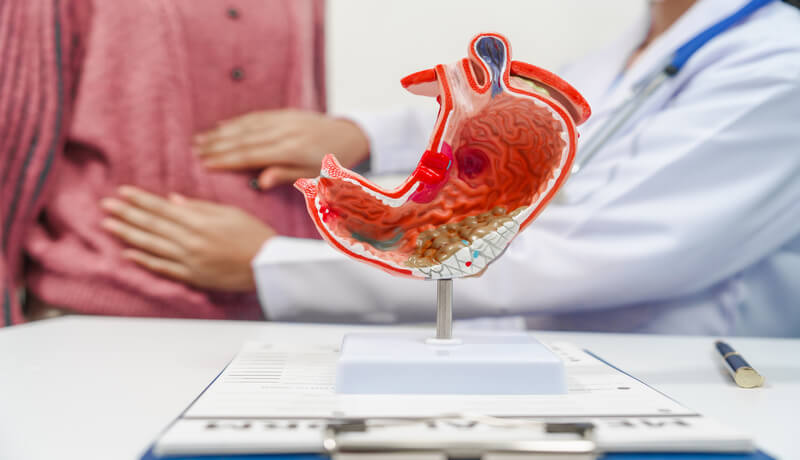
Gastritis Symptoms and Treatment
Overview of Gastritis
Gastritis is a general term for a group of conditions that share one main feature: inflammation of the stomach lining. This inflammation can stem from various causes, but it most often results from an infection with Helicobacter pylori (H. pylori), the same bacterium responsible for most stomach ulcers. Additionally, regular use of certain pain relievers, like aspirin and nonsteroidal anti-inflammatory drugs (NSAIDs), can irritate the stomach lining and contribute to gastritis. Furthermore, excessive alcohol consumption can weaken the stomach’s natural protective lining, making it more susceptible to inflammation.
Gastritis can develop suddenly, known as acute gastritis, or gradually over time, referred to as chronic gastritis. In some cases, chronic gastritis can lead to complications, including the formation of ulcers or an increased risk of stomach cancer. However, for most individuals, gastritis is not severe and often improves quickly with appropriate treatment and lifestyle adjustments.
Symptoms of Gastritis
Gastritis doesn’t always produce symptoms. When it does, however, the symptoms can vary from mild discomfort to more intense pain. Common symptoms include:
- Indigestion: This often presents as a gnawing or burning ache or pain in the upper abdomen. The discomfort may get worse or sometimes feel better after eating.
- Nausea: A general feeling of sickness in the stomach, which may or may not lead to vomiting.
- Vomiting: Episodes of vomiting can occur, and in severe cases, it may include blood.
- Feeling of fullness: Many people with gastritis experience a feeling of fullness in the upper abdomen, particularly after eating.
These symptoms can be uncomfortable and may interfere with daily activities, yet they vary significantly among individuals. It’s essential to monitor these symptoms and understand when to seek medical advice.
When to See a Doctor
Nearly everyone experiences indigestion or mild stomach irritation from time to time, usually without requiring medical care. However, it’s crucial to know when these symptoms could indicate something more serious. You should consult a healthcare professional if:
- You have symptoms of gastritis that persist for a week or longer, including consistent upper abdominal discomfort, nausea, or bloating.
- You experience severe pain or are unable to keep any food down due to persistent vomiting. Continuous vomiting can lead to dehydration, which requires prompt medical attention.
- You feel lightheaded or dizzy. This could suggest internal bleeding or dehydration, both of which are serious concerns that need evaluation.
- Your symptoms worsen after taking certain medications, especially aspirin or other NSAIDs. These drugs can irritate the stomach lining and may aggravate gastritis symptoms.
Most importantly, seek medical attention immediately if you experience any of the following:
- Vomiting blood: This is a potential sign of bleeding in the stomach and should be evaluated urgently.
- Blood in stools or stools that appear black: Black stools may indicate the presence of blood from a gastric source, often due to bleeding in the stomach or intestines.
Early diagnosis and treatment can help prevent complications, especially for individuals with persistent symptoms or those who are at higher risk for developing stomach ulcers or other complications.
Causes of Gastritis
Understanding the causes of gastritis can help in both prevention and treatment. The primary causes include:
- H. pylori infection: This bacterium is one of the leading causes of gastritis and peptic ulcers. It damages the protective lining of the stomach, allowing stomach acids to inflame the lining further.
- Use of NSAIDs: Regular use of nonsteroidal anti-inflammatory drugs like aspirin, ibuprofen, and naproxen can irritate the stomach lining and lead to gastritis. These drugs reduce prostaglandins, which are substances that help protect the stomach lining.
- Alcohol consumption: Excessive alcohol intake weakens the stomach lining, making it more vulnerable to stomach acid, which can result in inflammation.
- Autoimmune responses: In some cases, the immune system mistakenly attacks the stomach lining, leading to autoimmune gastritis. This condition is more common in people with other autoimmune diseases.
- Other factors: Conditions like bile reflux, infections from other bacteria or viruses, stress, and certain foods can also contribute to the development of gastritis.

Types of Gastritis
Gastritis can be classified based on its onset and cause:
- Acute gastritis: This type of gastritis occurs suddenly, often due to infections, injury, or the use of medications. Symptoms may be intense but generally resolve with treatment.
- Chronic gastritis: Developing gradually over time, chronic gastritis can be caused by long-term H. pylori infection, ongoing use of NSAIDs, or autoimmune factors. This type of gastritis may lead to complications if untreated.
Potential Complications
When left untreated, gastritis can lead to more severe health problems, including:
- Ulcers: Prolonged inflammation can wear away the stomach lining, creating ulcers. These are open sores that can lead to bleeding if not managed properly.
- Increased risk of stomach cancer: In some cases, chronic gastritis can increase the likelihood of developing certain types of stomach cancer, especially for individuals with autoimmune gastritis or H. pylori infection.
- Anemia: Ongoing bleeding from the stomach lining can cause anemia, a condition where the body lacks sufficient red blood cells to carry oxygen, leading to fatigue and weakness.
Treatment Options
Treatment for gastritis depends on its cause and severity. Common treatments include:
- Medications to reduce stomach acid: Antacids, proton pump inhibitors, and H2 blockers help decrease stomach acid, allowing the stomach lining to heal.
- Antibiotics for H. pylori infection: If H. pylori infection is confirmed, a combination of antibiotics is prescribed to eliminate the bacteria.
- Avoiding irritants: Limiting or avoiding NSAIDs, alcohol, and spicy foods can help reduce gastritis symptoms.
- Dietary changes: Eating smaller, more frequent meals and avoiding acidic, spicy, or fatty foods can relieve symptoms.
Prevention Tips
Taking preventive steps can lower the risk of developing gastritis. Here are some recommendations:
- Limit NSAID use: Use these medications only when necessary and in the lowest effective dose. If you need regular pain relief, consult your healthcare provider for alternatives that may be gentler on the stomach.
- Reduce alcohol intake: Limit alcohol consumption to protect your stomach lining and avoid excessive inflammation.
- Practice good hygiene: Wash hands regularly, especially before eating, to reduce the risk of H. pylori infection.
- Manage stress: Stress can worsen symptoms, so consider stress-reducing activities like exercise, meditation, or spending time in nature.
Conclusion
Gastritis is a common condition that affects many people worldwide. While often mild, untreated gastritis can lead to more serious health problems over time. Recognizing the symptoms, understanding when to seek medical help, and adopting healthy lifestyle practices can prevent complications. If you experience persistent symptoms of gastritis, consult a healthcare professional for proper diagnosis and treatment to protect your stomach health and overall well-being.
Request your Appointment by clicking on the picture below.