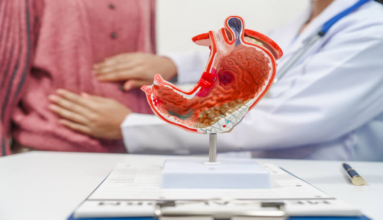
Gastroenteritis Symptoms
Gastroenteritis (Stomach Flu): Causes, Symptoms, and Treatment
Gastroenteritis, also known as stomach flu, is an inflammatory condition that affects the digestive system, primarily the stomach and intestines. This inflammation is usually caused by viruses, bacteria, or parasites and can also be triggered by chemicals or medications. When the digestive system reacts to the presence of these pathogens, it causes symptoms such as severe nausea, vomiting, and diarrhea, often leading to frequent bathroom visits and significant fluid loss.
Gastroenteritis can be acute, persistent, or chronic, depending on the duration and intensity of the symptoms. Although this condition primarily affects the digestive system, it may also be accompanied by other general symptoms such as fever, fatigue, and body aches. Prevention is largely based on good hygiene practices, proper handwashing, and safe food preparation.
In this article, you will learn about the causes of gastroenteritis, its accompanying symptoms, available treatments, and preventive measures to help protect yourself from this condition.
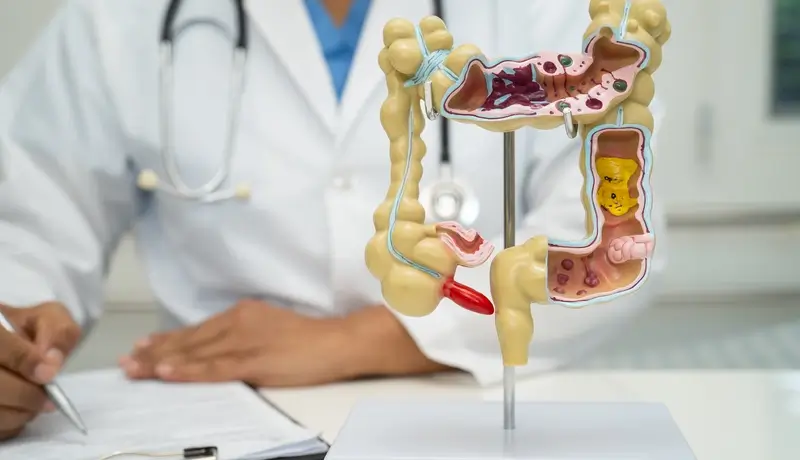
What Is Gastroenteritis?
Gastroenteritis is irritation and inflammation of the stomach and intestines, often caused by a virus or bacteria. As a result, you may experience belly pain, nausea, vomiting, and diarrhea. Typically, the body’s immune response to an infection leads to this inflammation. However, in some cases, other factors like chemicals or certain medicines can also bring it on.
Although many people refer to it as “stomach flu,” gastroenteritis is not the same as influenza, which mostly affects the respiratory system.

Gastroenteritis Symptoms
Generally, gastroenteritis symptoms appear suddenly. Common symptoms include nausea, cramping, vomiting, and diarrhea, which can make bathroom trips urgent. Other symptoms may also occur, such as:
Because vomiting and diarrhea cause fluid loss, dehydration is a common risk. Therefore, it’s important to watch for signs like dry mouth, dry skin, or dizziness.
How Long Does Gastroenteritis Last?
The length of gastroenteritis usually depends on the cause. In general, here’s what you might expect:
- Acute Gastroenteritis: Lasts up to 14 days.
- Persistent Gastroenteritis: Lasts between 14 and 30 days.
- Chronic Gastroenteritis: Lasts over 30 days.
Stomach Flu and Children
Children and infants can become dehydrated very quickly when they have gastroenteritis, so it’s important to watch for signs like:
- Sunken soft spot on the baby’s head
- Sunken eyes
- Dry mouth
- No tears when crying
- Not peeing often
- Low energy levels or irritability

If you notice these signs, contact a doctor promptly. When caused by a virus, gastroenteritis is very contagious, especially among children. Fortunately, there are vaccines, such as RotaTeq and Rotarix, to help protect children from rotavirus, a common viral cause of gastroenteritis.
Causes of Gastroenteritis
Gastroenteritis can result from viruses, bacteria, and sometimes, parasites or chemicals. Here’s an overview of the most common causes:
Viral Causes
The most common viral causes are norovirus and rotavirus. These viruses spread easily through:
- Contact with someone infected
- Sharing food or eating utensils with an infected person
- Drinking contaminated water
- Touching contaminated surfaces, then touching your mouth
Norovirus spreads quickly, and symptoms usually begin 12-48 hours after exposure. Similarly, rotavirus primarily affects children, and symptoms can last 5-7 days.
Bacterial Causes
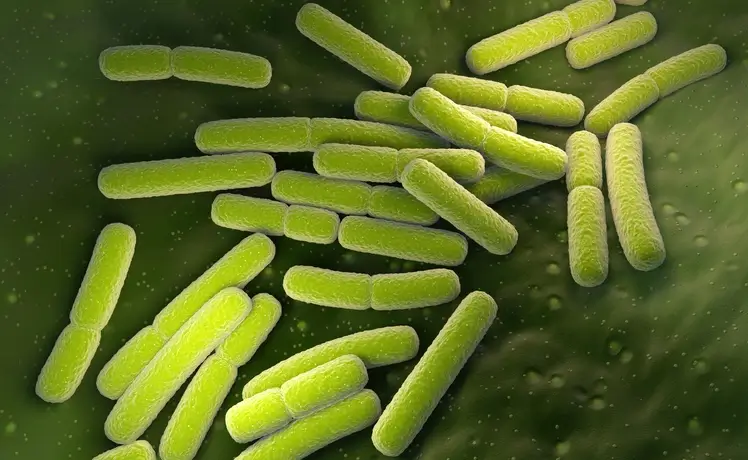
E. coli and salmonella are two of the most common bacterial causes. These bacteria spread through undercooked poultry, eggs, or contaminated water.
Other Causes
In addition, other causes like parasites, heavy metals, acidic foods, certain seafood toxins, and some medications can lead to gastroenteritis.

Stages of Viral Gastroenteritis
Viral gastroenteritis often progresses through four stages:
- Exposure: This is when you first come into contact with the virus, though symptoms haven’t started.
- Incubation: The virus takes time to infect your cells and grow. This period typically lasts 1-10 days, depending on the virus type.
- Acute Infection: As the body fights the infection, you may experience symptoms like nausea and vomiting.
- Recovery: Symptoms gradually improve, although you may still be contagious for some time.
Is Gastroenteritis Contagious?
Although gastroenteritis itself isn’t contagious, the viruses and bacteria that cause it are highly contagious. These infections spread through bodily fluids, such as saliva and feces. Therefore, handwashing and good hygiene are crucial to prevent spreading the infection. Always remember to wash your hands well, and avoid preparing food for others if you’re sick.
Gastroenteritis Risk Factors
Several factors make you more likely to get gastroenteritis, such as:
- Being under age 6 or over 65
- Living or working in shared spaces, such as nursing homes
- Eating undercooked or raw fish or meat
- Having a weak immune system

Treatment for Gastroenteritis
Most people recover from gastroenteritis at home with rest and plenty of fluids. Here are some helpful tips to aid recovery:
- Drink clear fluids like water or electrolyte drinks often.
- Eat bland foods (such as toast or bananas) when you feel ready.
- For young children, give a hydration solution like Pedialyte.
Your doctor might suggest medications for nausea or diarrhea, though antibiotics are rarely needed, as most infections go away on their own.

When to See a Doctor
You should see a doctor if you or your child:
- Vomits for more than a day
- Has severe diarrhea or diarrhea with blood
- Shows any signs of dehydration
- Has sudden, intense belly pain
Preventing Gastroenteritis
While it’s hard to prevent gastroenteritis entirely, you can reduce your risk with these steps:
- Wash your hands frequently with soap and water.
- Clean shared surfaces often.
- Handle and cook food safely.
- Vaccinate children against rotavirus.
Frequently Asked Questions
-
1. What is allergic gastroenteritis, and what causes it?
Allergic gastroenteritis is a rare condition triggered by the body’s allergic reaction to specific foods or substances. It may occur after consuming allergens such as dairy products, seafood, or nuts, and is characterized by symptoms like abdominal pain, nausea, and diarrhea. -
2. What is the role of preventive nutrition in digestive health?
Preventive nutrition, rich in dietary fiber, probiotics, and healthy fats, supports the digestive system’s proper function. Fruits, vegetables, and fermented foods promote gut health, while avoiding processed foods reduces the risk of inflammation or digestive disorders. -
3. Why is hydration important in managing gastrointestinal issues?
Proper hydration is crucial for preventing and managing gastrointestinal issues, especially during cases of diarrhea or vomiting. Water, electrolyte solutions, and natural juices help replenish lost fluids and prevent dehydration.