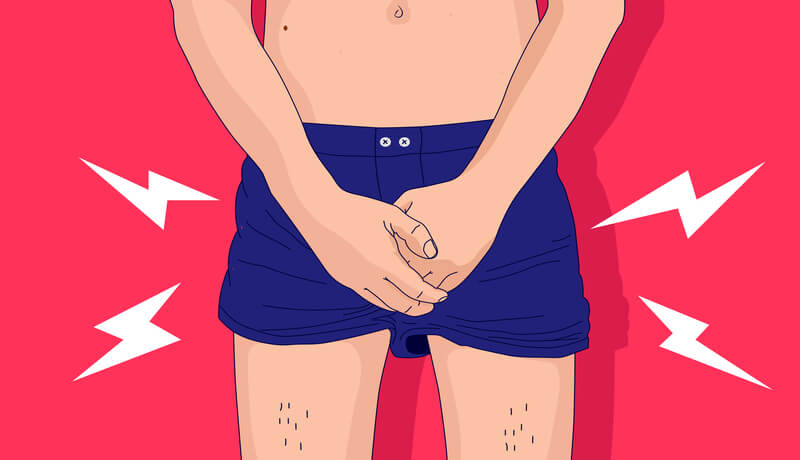
Gonorrhea symptoms and treatment
Overview: What is Gonorrhea?
Gonorrhea, also known as “the clap” or “drip”, is a common sexually transmitted infection (STI) caused by the bacteria Neisseria gonorrhoeae (N. gonorrhoeae). Gonorrhea can affect anyone who is sexually active, regardless of age, and is most commonly spread through sexual fluids during vaginal, anal, or oral sex. Sharing sex toys without proper cleaning can also transmit the infection. Gonorrhea can be passed to a baby during childbirth if the birthing parent is infected.
Gonorrhea is the second most common bacterial STI, with close to 1 million new infections occurring in the United States every year. Approximately half of these cases occur in individuals aged 15 to 24.
Often, gonorrhea doesn’t cause symptoms, particularly in people assigned female at birth (AFAB). As a result, it’s easy to unknowingly pass the infection to sexual partners. Without treatment, gonorrhea can lead to long-term complications such as infertility and serious reproductive health issues.
Symptoms of Gonorrhea
Gonorrhea symptoms can vary depending on your reproductive anatomy and whether the infection affects the throat, rectum, or genitals. It’s important to note that many people with gonorrhea do not experience symptoms, especially those AFAB.
Symptoms in People Assigned Female at Birth (AFAB)
Up to 50% of people AFAB won’t show symptoms of gonorrhea, making it easy to unknowingly spread the infection to sexual partners. However, when symptoms are present, they may include:
- Unusual vaginal discharge (white or yellow).
- Pain in the lower abdomen or pelvis.
- Pain during sexual intercourse (dyspareunia).
- Painful urination (dysuria).
- Bleeding between periods.
Symptoms in People Assigned Male at Birth (AMAB)
People AMAB are more likely to experience symptoms, although they may not appear until several weeks after exposure. Common symptoms include:
- White, yellow, or green discharge from the penis.
- Severe pain or burning during urination.
- Testicular pain and swollen testicles.
Symptoms in All Genders
Regardless of gender, gonorrhea can infect the throat (from oral sex) or rectum (from anal sex). Symptoms of these infections include:
- Throat: Itchy or scratchy feeling, sore throat, trouble swallowing.
- Anus: Itching, discharge, and pain during bowel movements.
How Long Does It Take to Show Symptoms?
Symptoms of gonorrhea may take up to two weeks (14 days) to appear after being infected. In some cases, symptoms may not appear at all, making it difficult to know if you’re infected without regular STI testing.
Causes of Gonorrhea
Gonorrhea is caused by the bacteria N. gonorrhoeae, which is spread through sexual fluids during unprotected vaginal, anal, or oral sex. The bacteria can enter the body through the penis, vagina, mouth, or anus. It’s important to note that ejaculation is not required for transmission of the bacteria, and close genital-to-genital contact can still result in infection.
In people AFAB, the cervix is the most common site of infection, while in people AMAB, the infection usually begins in the urethra.
What Doesn’t Cause Gonorrhea?
Despite being contagious, gonorrhea is not spread through casual contact or activities such as:
- Kissing, hugging, or holding hands.
- Sharing food, drinks, or utensils.
- Using a toilet after someone else.
- Breathing in airborne droplets after someone coughs or sneezes.
Risk Factors for Gonorrhea
You may be at a higher risk of contracting gonorrhea if you:
- Are under 25 years old.
- Have a history of STIs.
- Do not use condoms or dental dams consistently during sex.
- Have multiple sexual partners or partners who haven’t recently tested negative for gonorrhea.
- Engage in sex between people with penises.
What Happens if Gonorrhea Is Left Untreated?
Untreated gonorrhea can lead to serious complications affecting different parts of the body:
Complications in People AFAB
If left untreated, gonorrhea can spread to other reproductive organs, including the uterus and fallopian tubes, causing pelvic inflammatory disease (PID). PID can result in infertility and an increased risk of ectopic pregnancy. In infants born to untreated parents, gonorrhea can cause blindness or severe eye infections.
Complications in People AMAB
In people AMAB, untreated gonorrhea can lead to:
- Infertility due to testicular inflammation.
- Urethral scarring.
- Prostate pain and inflammation.
Diagnosis and Testing for Gonorrhea
Only a healthcare provider can diagnose gonorrhea. If you suspect an infection, your provider will ask about your symptoms and sexual history and then take a sample of fluid or urine for testing. This may involve:
- A pelvic exam with a sample from the cervix (for people AFAB).
- A urine sample.
- A swab of the throat or rectum to check for infection.
- A sample of fluid from the penis (for people AMAB).
Your provider may also test for chlamydia, as both infections often occur together. Early diagnosis is key to preventing complications.
Treatment for Gonorrhea
Gonorrhea is treated with antibiotics. Your provider will prescribe an appropriate treatment based on your specific case. The most common treatment involves an injection of ceftriaxone, with additional medications like doxycycline if you also have a co-infection with chlamydia.
It’s important to complete the full course of antibiotics and follow your provider’s instructions closely. Even if symptoms improve, finishing the medication is essential to fully clear the infection and prevent resistance.
Can Gonorrhea Be Cured?
Yes, gonorrhea can be cured with prompt treatment. However, untreated gonorrhea can lead to long-term damage, and some forms of the bacteria are becoming resistant to antibiotics. These forms are sometimes referred to as “super gonorrhea”. To prevent further resistance, it’s critical to take all medications as prescribed.
Prevention of Gonorrhea
The only sure way to prevent gonorrhea is to avoid sexual contact. However, for sexually active individuals, there are steps to reduce the risk:
- Use condoms or dental dams during all forms of sex (vaginal, anal, oral).
- Limit sexual partners and communicate openly about STI testing.
- Get regular STI screenings, especially if you’re under 25 or have multiple partners.
How Often Should I Get Tested for Gonorrhea?
The CDC recommends that sexually active individuals AFAB and under 25 be tested for gonorrhea annually. For those with multiple risk factors, including people in same-sex relationships or those with a history of STIs, more frequent testing may be necessary. Consult with your healthcare provider for a testing schedule that suits your risk level.
Outlook for People with Gonorrhea
With prompt treatment, gonorrhea can be cured, and most people can resume their normal activities within 1 to 2 weeks. However, because you can get gonorrhea more than once, it’s important to practice safe sex and have regular STI testing to prevent reinfection.
Conclusion: Protect Yourself from Gonorrhea
Gonorrhea is a common STI that can be easily cured with antibiotics when caught early. Protect yourself by practicing safe sex, using condoms or dental dams, and getting regular STI screenings. If you believe you’ve been exposed to gonorrhea, don’t hesitate to contact your
Request your Appointment by clicking on the picture below.


