Hamstring Injury Treatment and Rehabilitation
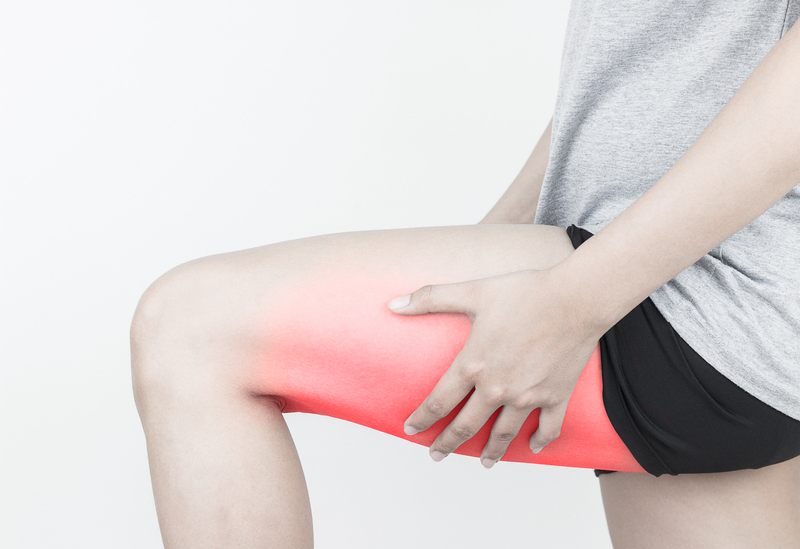
Hamstring injuries, also known as hamstring strains or pulls, commonly occur in sports and activities that require running, jumping, or sudden changes in direction. The hamstring muscle group, located at the back of the thigh, is essential for hip extension and knee flexion. These injuries often happen when there is a sudden, forceful contraction of the hamstrings, such as during a sprint. As a result, individuals frequently experience sharp, immediate pain in the back of the thigh. However, not all hamstring injuries are sudden; some develop over time due to inadequate flexibility, poor warm-up routines, or repetitive strain on the muscle.
At HOMED Clinic, we offer comprehensive treatment and rehabilitation programs designed to promote full recovery from hamstring injuries. Our team of healthcare professionals provides expert guidance, focusing on both immediate care and long-term rehabilitation to prevent recurrence.
Diagnosis of Hamstring Injuries
Accurate diagnosis is essential for effective treatment and recovery from hamstring injuries. Typically, a doctor will begin by assessing the patient’s symptoms and conducting a physical examination to evaluate the extent of the injury. This examination involves checking for tenderness, swelling, and range of motion in the thigh. The physician may ask the patient to perform certain movements to gauge the severity of pain and limitations in mobility.
For more severe injuries or when the diagnosis is unclear, further diagnostic imaging may be required:
- Magnetic Resonance Imaging (MRI): An MRI can provide detailed images of the soft tissues, helping doctors determine the exact location and severity of the hamstring tear or strain. This imaging technique is particularly useful in identifying partial or complete tears, which may require more extensive treatment.
- Ultrasound: In some cases, an ultrasound may also be used as a diagnostic tool. It allows the physician to view the muscle in real-time, making it useful for assessing smaller strains or inflammation in the surrounding tissues.
A precise diagnosis enables healthcare providers to create a tailored treatment plan, ensuring optimal recovery and reducing the risk of re-injury.
Treatment for Hamstring Injuries
Immediate Care
Immediate treatment following a hamstring injury is crucial for minimizing pain and preventing further damage. The R.I.C.E. protocol (Rest, Ice, Compression, Elevation) is widely recommended:
- Rest: Avoid activities that strain the injured muscle. Resting the hamstring gives the muscle time to heal without additional stress.
- Ice: Applying ice to the injured area for 15–20 minutes every 2–3 hours during the first 48 hours helps reduce swelling and alleviates pain.
- Compression: A thigh sleeve or elastic bandage can provide support and limit swelling. Make sure it is snug but not too tight to avoid restricting blood flow.
- Elevation: Elevating the leg when resting can help reduce swelling by allowing fluids to drain away from the affected area.
In addition to the R.I.C.E. protocol, pain can be managed with Nonsteroidal Anti-inflammatory Drugs (NSAIDs) or other pain-relief medications as prescribed. If walking becomes painful, using crutches can help avoid further aggravation by reducing weight-bearing pressure on the injured leg.
Rehabilitation
After the initial pain and swelling subside, rehabilitation is essential for restoring strength, flexibility, and full functionality to the hamstrings. Rehabilitation includes:
- Gentle Stretching: Once pain levels decrease, gently stretching the hamstring is important. Begin with light stretches, avoiding any movements that cause pain. Gradually increase the stretch as the muscle heals.
- Strengthening Exercises: Strengthening exercises for the hamstrings and quadriceps should only be initiated when there is no pain. These exercises help improve stability and support around the knee and hip joints, reducing the risk of future injuries.
- Activity Modification: Activities that place stress on the hamstrings, such as running, jumping, or high-impact exercises, should be avoided until full strength and flexibility are restored. Gradually return to these activities under professional supervision.
Recovery from a hamstring injury can vary based on the severity of the strain. While mild strains may heal within a few days, severe injuries might require weeks or even months to fully resolve. Consistent adherence to a rehabilitation plan improves outcomes and helps prevent re-injury.
Exercises for Strengthening Quadriceps and Hamstrings
Targeted exercises are crucial for hamstring recovery and for building strength to prevent future injuries. The following exercise is recommended for strengthening the hamstrings:
- Lie on your back with your knees bent and feet flat on the floor.
- Slowly lift your hips, keeping your back straight, until your body forms a bridge position.
- Hold this position for 5–10 seconds before gently lowering your hips back down.
- Repeat this exercise in sets of 10, three times daily.
For an additional stretch:
- Lie on your back and lift one leg toward your chest, grabbing the leg behind the knee with your hands.
- Slowly straighten the knee, feeling a stretch in the back of the thigh.
- Hold this position for 30 seconds before switching to the other leg.
- Repeat this stretch four times on each leg, three times per day.
These exercises and stretches help improve flexibility and muscle balance, reducing the risk of future strains. Performing them on both legs promotes muscle symmetry, which is important for avoiding compensatory injuries.
Conclusion
In conclusion, proper treatment, rest, and a structured rehabilitation program are essential for recovering from hamstring injuries. Following these guidelines and working closely with healthcare professionals, such as the experts at HOMED Clinic, can help individuals regain strength and return to their daily activities with confidence and resilience. A personalized approach to treatment and prevention ensures long-term muscle health and minimizes the risk of recurrence.
Learn more by clicking here
Request your Appointment by clicking on the picture below.

Hamstring Injury Treatment and Rehabilitation