Healthy Heart Benefits Guide
The Human Heart: Structure, Function, and the Importance of Heart Health
What is the Human Heart?
The human heart is a vital organ that pumps blood throughout the body, ensuring the delivery of oxygen and essential nutrients to tissues and organs. This muscular organ, roughly the size of a fist, works tirelessly, beating about 100,000 times a day to circulate approximately 7,600 liters of blood.
Located in the thoracic cavity, slightly left of the midline, the heart is encased within the pericardium, a protective double-layered membrane. Its intricate structure and function are essential for sustaining life and maintaining overall health.

The Structure of the Human Heart
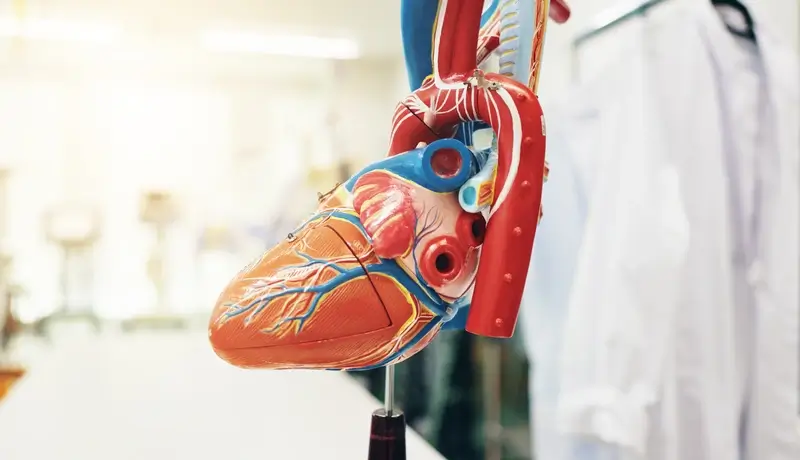
The heart consists of four chambers:
- Right Atrium: Receives deoxygenated blood from the body.
- Right Ventricle: Pumps deoxygenated blood to the lungs.
- Left Atrium: Receives oxygenated blood from the lungs.
- Left Ventricle: Pumps oxygen-rich blood to the entire body.
To ensure unidirectional blood flow, the heart relies on four valves:
- Tricuspid Valve: Regulates blood flow between the right atrium and right ventricle.
- Pulmonary Valve: Controls blood movement from the right ventricle to the pulmonary artery.
- Mitral Valve: Directs blood between the left atrium and left ventricle.
- Aortic Valve: Allows oxygenated blood to exit the left ventricle into the aorta.
How Does the Heart Function?
The heart functions through a continuous circulatory cycle, divided into two main circuits:
- Pulmonary Circulation: The right ventricle pumps deoxygenated blood to the lungs via the pulmonary arteries, where it picks up oxygen and releases carbon dioxide.
- Systemic Circulation: The left ventricle pumps oxygen-rich blood through the aorta, distributing it to all tissues in the body.
The sinoatrial (SA) node, known as the heart’s natural pacemaker, generates electrical impulses that regulate heartbeat and ensure coordinated blood flow.
Why is It Important to Keep Your Heart Healthy?
Maintaining heart health is crucial since cardiovascular diseases are the leading cause of death worldwide. Heart-related conditions such as coronary artery disease, heart failure, arrhythmias, and hypertension significantly impact overall well-being.
Several risk factors contribute to heart disease, including:
- High Blood Pressure (Hypertension)
- High Cholesterol Levels
- Obesity
- Diabetes
- Smoking and Excessive Alcohol Consumption
- Lack of Physical Activity
- Poor Diet High in Processed Foods
- Chronic Stress

The Benefits of a Healthy Heart
A well-functioning heart provides numerous health benefits:
- Better Oxygen Supply: Enhances brain function, muscle efficiency, and energy levels.
- Lower Risk of Heart Disease & Stroke: Reduces the likelihood of heart attacks and related complications.
- Improved Mood and Mental Clarity: Proper circulation supports cognitive function and emotional stability.
- Stronger Immune System: Efficient blood circulation helps immune cells perform optimally.
- Longer Life Expectancy: A healthy cardiovascular system increases longevity and quality of life.
How to Maintain Heart Health?
To optimize heart function, adopting these lifestyle habits is essential:
1. Eat a Heart-Healthy Diet 🥗
- Incorporate fruits, vegetables, whole grains, and lean proteins.
- Consume omega-3 fatty acids from fish, nuts, and seeds.
- Avoid trans fats, excessive sodium, and added sugars.
2. Engage in Regular Physical Activity 🏃♂️
- Participate in 150 minutes of moderate-intensity exercise per week.
- Activities like walking, swimming, cycling, and jogging strengthen the heart.
3. Manage Stress Effectively 🧘♂️
- Practice meditation, deep breathing, and mindfulness.
- Engage in hobbies and social interactions to lower stress levels.
4. Quit Smoking & Limit Alcohol Consumption 🚫
- Smoking damages blood vessels and significantly increases heart disease risk.
- Excessive alcohol intake raises blood pressure and weakens heart muscles.
5. Monitor Blood Pressure and Cholesterol 🩺
- Regularly check blood pressure, cholesterol levels, and glucose levels.
- Schedule preventive screenings to detect issues early.

Common Signs of Heart Problems 🚨
Recognizing early warning signs of heart disease can be life-saving. Some key symptoms include:
- Chest pain or discomfort
- Shortness of breath
- Dizziness or fainting
- Swelling in the legs, ankles, or feet
- Irregular heartbeat or palpitations
- Extreme fatigue
If any of these symptoms occur, seek medical attention immediately.
Conclusion
The human heart is a vital organ that plays a fundamental role in sustaining life. Understanding its structure, function, and importance is essential for maintaining overall health and longevity.
By making healthy lifestyle choices, staying physically active, and being mindful of risk factors, individuals can significantly reduce the chances of heart disease and enjoy a long, fulfilling life.
Your heart works non-stop for you—start taking care of it today! ❤️
Read more about the Human heart by clicking here.
Healthy Heart Benefits Guide