Hypothermia symptoms
Hypothermia: Causes, Symptoms, Diagnosis, and Treatment
Overview
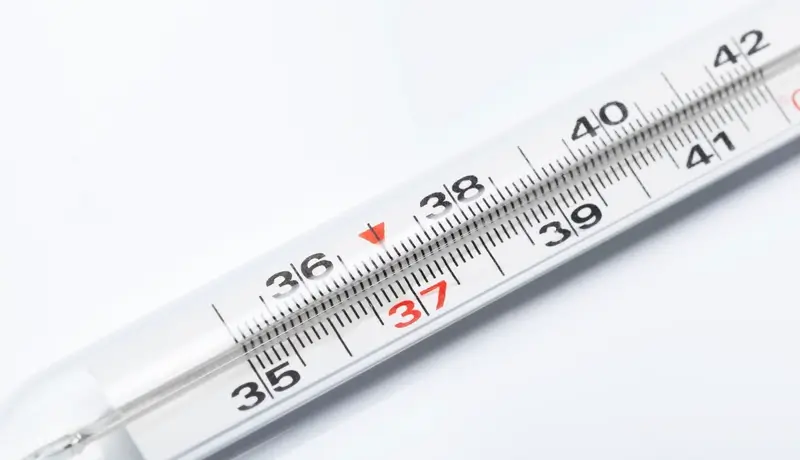
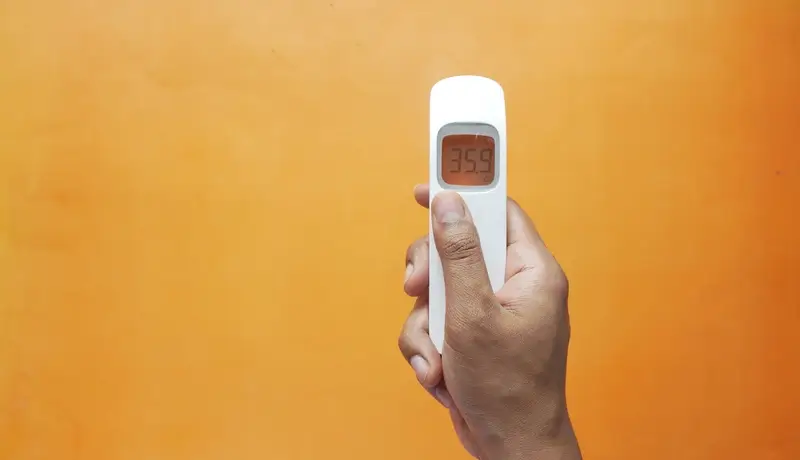
Hypothermia is a critical condition that occurs when the body’s core temperature drops below 95°F (35°C), which is significantly lower than the normal body temperature of 98.6°F (37°C). This medical emergency occurs because the body loses heat faster than it can produce it, thereby leading to dangerously low temperatures that impact major organs, including the heart and brain. If left untreated, hypothermia can quickly lead to heart and respiratory failure and, ultimately, death.
Common Causes
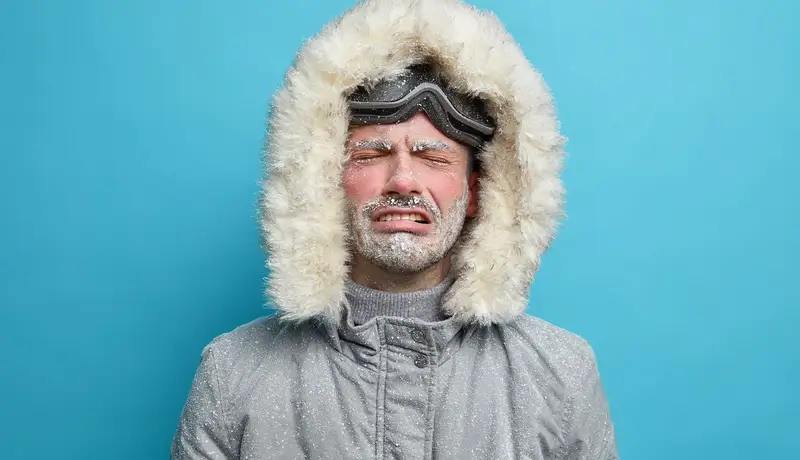
Hypothermia often results from prolonged exposure to cold environments. Therefore, it is important to recognize some of the most common causes, which include:
- Cold weather conditions
- Immersion in cold water
- Insufficient clothing for the weather
- Inadequate heating in the home
As a result, when exposed to extreme cold, medical intervention becomes essential to warm the body back to a safe temperature.
Symptoms of Hypothermia
As the body temperature declines, the body initiates shivering as an automatic defense mechanism to generate heat. In most cases, hypothermia symptoms include:
-
- Shivering
- Slurred speech or mumbling
- Slow, shallow breathing
- Weak pulse
- Clumsiness or lack of coordination
- Drowsiness or fatigue
- Confusion or memory issues
- Loss of consciousness
- In infants: bright red, cold skin
Note: People with hypothermia may not be aware of their condition, as the impaired thinking often leads to risk-taking behaviors. As a result, they may fail to recognize their need for help.
When to Seek Medical Help
It is crucial to call 911 or your local emergency number if you suspect someone has hypothermia. Meanwhile, while waiting for emergency responders, gently move the person to a warm area if possible. In addition, carefully remove any wet clothing and replace it with warm, dry layers to prevent further heat loss.
Causes and Mechanisms
Hypothermia develops when heat loss exceeds heat production. Although this typically happens in cold weather or cold water, it can also occur in other situations where:
- Clothing is not appropriate for weather conditions
- A person remains exposed to the cold for an extended period
- A person is unable to reach a warm, dry place
- Prolonged immersion in water occurs
Thus, body heat loss occurs via radiation, direct contact, and wind chill:
- Radiated heat: Heat loss from uncovered skin
- Direct contact: Contact with cold water or ground
- Wind: Wind carries heat away from the skin’s surface
Risk Factors
There are several factors that increase the likelihood of hypothermia. For instance:
- Exhaustion: Reduced tolerance to cold
- Age: Both older adults and young children lose heat faster
- Mental conditions: Disorders affecting judgment
- Alcohol and drug use: Impairs judgment and accelerates heat loss
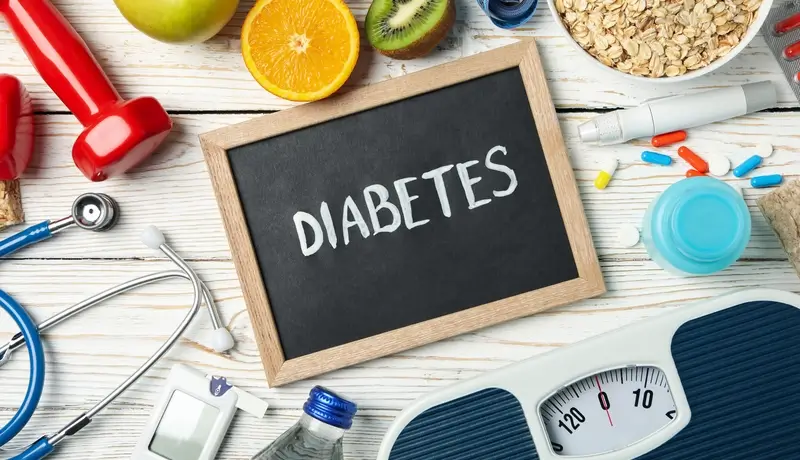
- Medical conditions: Diseases like hypothyroidism and diabetes
- Medications: Certain drugs affect body temperature regulation
Complications
Additionally, those with hypothermia are at risk for other cold-related injuries, such as:
- Frostbite: Freezing of skin and underlying tissues
- Gangrene: Decay of body tissue due to blocked blood flow
Prevention Tips
Staying Warm
To stay warm and safe, it’s helpful to remember the COLD acronym:
- Cover: Wear hats and mittens to prevent heat loss
- Overexertion: Avoid sweating in the cold
- Layers: Wear loose, layered clothing
- Dry: Stay as dry as possible
Protecting Children
Furthermore, dress children in one more layer than adults would wear, and bring them indoors as soon as shivering starts.
Diagnosis
Diagnosis is often based on visible symptoms and context. However, in some cases, blood tests may be used to confirm hypothermia and assess severity.
Treatment
Immediate medical attention is essential. Until professional help arrives, you can follow these first-aid steps:
- Move carefully: Avoid jarring movements
- Provide warmth: Use dry blankets
- Monitor breathing: Begin CPR if necessary
- Warm beverages: Offer warm, nonalcoholic drinks

For severe hypothermia, medical rewarming techniques may include:
- Blood rewarming
- Warm intravenous fluids
- Airway rewarming
Frequently Asked Questions
-
How does hydration affect the risk of hypothermia?
Hydration is important because:- Dehydration reduces blood volume, making it harder to maintain body heat.
- Warm, non-caffeinated beverages help sustain body temperature in cold conditions.
-
Can pets develop hypothermia?
Yes, pets are also at risk of hypothermia if exposed to cold environments for too long. Ensure that:- They have adequate shelter and warm bedding.
- They are not left outside for extended periods in cold weather.
-
Are there groups more vulnerable to hypothermia?
Yes, the groups at higher risk include:- Elderly individuals, due to reduced metabolism and sensitivity to cold.
- Infants, as they lose heat more quickly than adults.
- People with substance abuse issues, as alcohol and drugs affect temperature regulation.
Request your Appointment by clicking on the picture below.
