Lowering LDL Cholesterol May Reduce Dementia Risk by 26%, Study Finds
A groundbreaking study from South Korea published in April 2025 has found a significant correlation between LDL cholesterol levels and the risk of developing dementia. The study, which analyzed over 570,000 individuals aged 40 and older, revealed that patients who managed to reduce their LDL-C levels saw up to a 26% decreased risk of cognitive decline.
Published by the EatingWell Health News portal, this study suggests a major shift in how we view the long-term effects of cholesterol — not just for cardiovascular health, but also for brain function.
LDL-C: More Than Just a Heart Issue
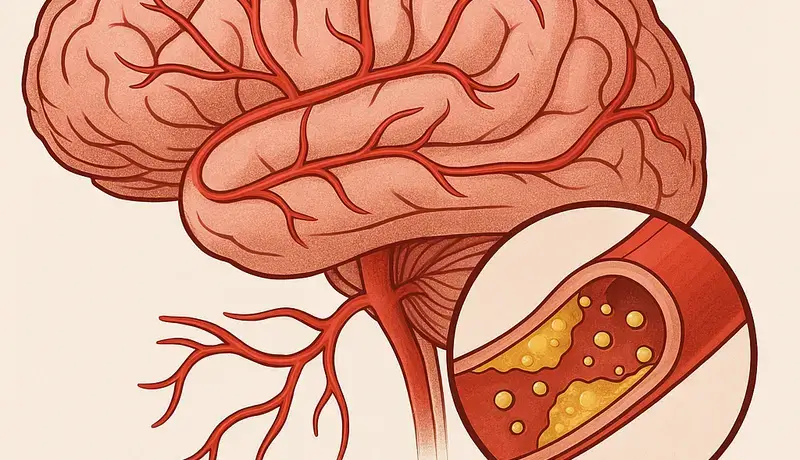
LDL-C (Low-Density Lipoprotein Cholesterol), commonly known as “bad cholesterol”, has long been associated with atherosclerosis and heart disease. However, new evidence suggests that prolonged elevation of LDL-C may impair cerebral blood flow, contribute to neuroinflammation, and accelerate plaque formation in brain vessels — all of which are key contributors to neurodegeneration.
This suggests that by simply lowering LDL cholesterol through medication, lifestyle changes, or dietary interventions, we may reduce not only heart attack or stroke risk but also protect cognitive integrity as we age.
What the Researchers Recommend
The team behind the study urges healthcare providers and individuals alike to prioritize personalized lipid management. Instead of general recommendations, cholesterol goals should be adapted based on age, sex, medical history, and overall cardiovascular profile.
Effective Strategies to Lower LDL-C:
- Statins – Widely prescribed for LDL-C reduction and cardiovascular protection.
- Dietary Changes – Increase soluble fiber (e.g., oats, legumes), avoid trans fats and saturated fats.
- Physical Activity – Minimum 150 minutes per week of moderate aerobic exercise.
- Omega-3 Fatty Acids – Found in fatty fish, walnuts, and supplements, helpful in overall lipid regulation.
Who Should Be Concerned?
According to the data, individuals with elevated LDL levels in their 40s and 50s had a markedly higher chance of developing dementia symptoms in later decades. However, even older adults benefited from lowering cholesterol levels. This suggests that it’s never too early — or too late — to start taking cholesterol seriously.
Frequently Asked Questions (FAQ)
🔹 Does lowering LDL really reduce dementia risk?
Yes. The 2025 study shows up to 26% lower risk for people who actively reduced their LDL-C levels through various means.
🔹 Is this benefit only for people with heart issues?
No. While the cardiovascular system and brain health are related, even patients without heart disease benefited from LDL reduction.
🔹 Can supplements help reduce LDL?
Yes, certain supplements like plant sterols, omega-3s, and red yeast rice have shown modest LDL-lowering effects.
🔹 How often should I check my LDL cholesterol?
Adults over 40 should check lipids every 1-3 years, or more frequently if at risk for heart disease or cognitive decline.
🔹 What’s the optimal LDL level?
Under 100 mg/dL is generally considered healthy. For high-risk individuals, goals may be as low as 70 mg/dL.