Muscle breakdown symptoms
Rhabdomyolysis: Causes, Symptoms, Diagnosis, and Treatment
Rhabdomyolysis is a rare yet serious condition where muscle fibers break down and release toxic substances into the bloodstream. If untreated, it can lead to life-threatening complications, including kidney failure. This article explores the causes, symptoms, risk factors, and treatments for this condition, providing an in-depth understanding for both prevention and management.
A muscle fiber.
What is Rhabdomyolysis?
Rhabdomyolysis (pronounced “rab-doe-my-ah-luh-suhs”) refers to the rapid destruction of muscle tissue, leading to the release of cellular components such as myoglobin, creatine kinase (CK), and potassium into the bloodstream. These substances can overwhelm the kidneys, causing significant damage and, in severe cases, kidney failure.
The condition can result from a variety of triggers, including physical trauma, excessive exercise, or medical conditions that affect muscle integrity.
How Common is Rhabdomyolysis?
Although rhabdomyolysis is not very common, it is reported to affect approximately 26,000 people annually in the United States. It requires prompt diagnosis and treatment to prevent complications.
Symptoms of Rhabdomyolysis
The symptoms of rhabdomyolysis can range from mild to severe. Early recognition of these symptoms is crucial for timely intervention. Common signs include:
- Muscle pain, tenderness, or swelling.
- Weakness or inability to move affected muscles.
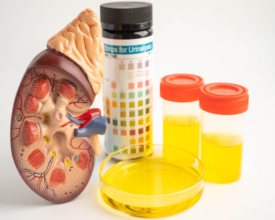
- Dark urine that appears red, brown, or tea-colored.

In more severe cases, individuals may experience:
- Nausea and vomiting.
- Dehydration or reduced urine output.
- Confusion or loss of consciousness.
Symptoms typically develop 1 to 3 days after the muscle injury, although they can vary depending on the underlying cause.

Causes of Rhabdomyolysis
Rhabdomyolysis can occur due to various factors, including:
- Physical Trauma: Severe burns, crush injuries, or electrocution.
- Excessive Exercise: Engaging in intense physical activities without adequate rest, particularly for untrained individuals.
- Dehydration and Overheating: Working or exercising in hot environments without proper hydration.
- Medication Side Effects: Statins, antipsychotics, or antivirals can trigger muscle breakdown in some individuals.
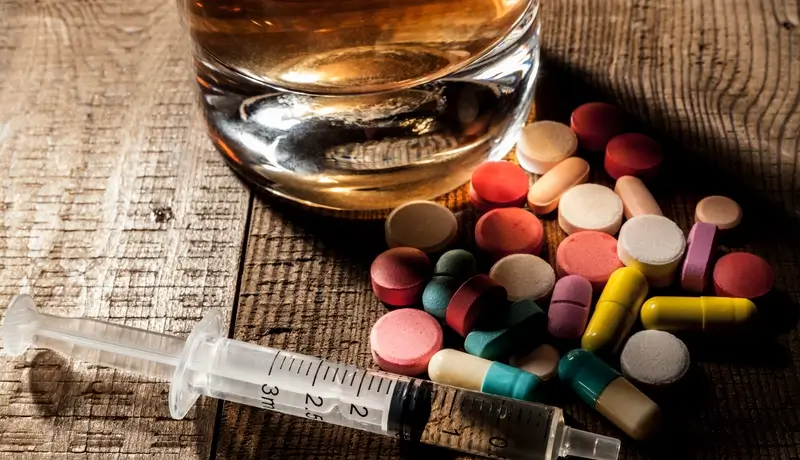
- Substance Use: Alcohol, cocaine, and other drugs can damage muscle tissue.
- Underlying Medical Conditions: Genetic muscle disorders, metabolic conditions, or infections.
Complications of Rhabdomyolysis
If untreated, rhabdomyolysis can lead to severe complications, including:
- Kidney Damage or Failure: Excessive myoglobin and potassium in the blood strain the kidneys.

- Electrolyte Imbalances: High potassium levels can cause irregular heart rhythms.
- Compartment Syndrome: Swelling within muscle compartments, cutting off blood supply.
- Disseminated Intravascular Coagulation (DIC): A life-threatening clotting disorder.
Diagnosis of Rhabdomyolysis
Healthcare providers use several methods to diagnose rhabdomyolysis:
- Blood Tests: Elevated levels of creatine kinase (CK) and potassium indicate muscle breakdown.
- Urine Analysis: Detecting myoglobin in the urine confirms muscle damage.

- Muscle Biopsy: In some cases, a small tissue sample is analyzed for deeper insight.
Further genetic testing may be recommended if an inherited condition is suspected.
Treatment of Rhabdomyolysis
Timely treatment is critical to prevent life-threatening complications. Common interventions include:
- Intravenous Fluids: Hydration helps flush toxins from the kidneys.
- Electrolyte Management: Restoring balance to prevent heart or kidney issues.
- Dialysis: For patients with severe kidney damage, dialysis removes toxins from the blood.
- Physical Therapy: Assists in restoring muscle strength post-recovery.
Prevention of Rhabdomyolysis
While not all cases can be prevented, you can lower your risk by:
- Starting new exercise routines gradually and allowing time for recovery.

- Staying hydrated during physical activities.

- Avoiding substance abuse.
- Discussing medication side effects with your doctor.

Prognosis
Most people recover fully with prompt treatment, although some may experience lingering muscle weakness. Severe cases with kidney damage may require long-term dialysis. It is essential to follow your healthcare provider’s guidance and avoid strenuous activities until cleared to resume.
When to Seek Medical Attention
If you experience persistent muscle pain, swelling, or dark urine after physical activity, consult a healthcare provider immediately. Early intervention can significantly improve outcomes.
Rhabdomyolysis is a serious condition, but with timely diagnosis and appropriate care, full recovery is often possible. Listen to your body, stay hydrated, and consult your doctor if you notice any concerning symptoms.
Muscle breakdown symptoms
Frequently Asked Questions
-
Can rhabdomyolysis occur without noticeable muscle pain or weakness?
Yes, rhabdomyolysis can occur without typical symptoms like muscle pain or weakness, especially in mild cases or when the condition develops gradually. Some people may only notice dark urine or feel fatigued. A blood test measuring creatine kinase (CK) levels is often needed for confirmation. -
What dietary changes can help in recovering from rhabdomyolysis?
A diet rich in hydration and nutrients that support kidney and muscle recovery is essential. Drinking plenty of water, consuming foods high in electrolytes like potassium and magnesium, and incorporating protein for muscle repair can aid recovery. Avoiding alcohol and processed foods is also recommended. -
Are there long-term effects of rhabdomyolysis on physical performance or athletic ability?
While most people recover fully, some may experience lingering muscle weakness or reduced endurance. Severe cases involving kidney damage or compartment syndrome might lead to long-term complications. A gradual return to physical activity under medical supervision is advised to avoid recurrent issues.
Muscle breakdown symptoms