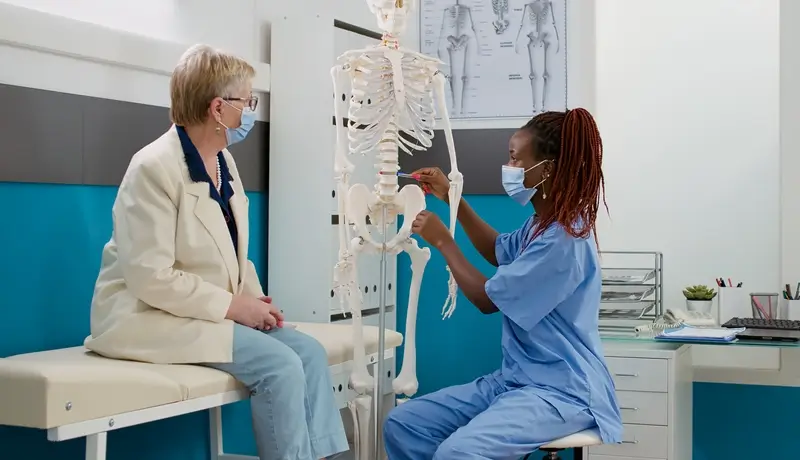
Osteoporosis Treatment Options
Osteoporosis: Causes, Symptoms, Treatment, and Prevention
Learn about the silent disease that weakens bones and increases fracture risk, with insights into prevention and effective treatment.
What Is Osteoporosis?
Osteoporosis is a disease that weakens your bones, making them thinner and less dense than they should be. People with osteoporosis are at a significantly higher risk of fractures, even from minor falls or accidents that wouldn’t normally cause injury.
Healthy bones are dense and strong enough to support your body and absorb impacts. As you age, bone density naturally decreases, but for those with osteoporosis, this process happens much faster, leading to fragile and brittle bones.
Common sites for osteoporosis-related fractures include:
- Hips: Hip fractures are among the most serious and often require surgery.
- Wrists: Fractures in the wrist are common in minor falls.
- Spine: Compression fractures in the vertebrae can cause pain and reduced height.
The earlier osteoporosis is diagnosed, the better the chances of preventing fractures and maintaining bone health.

How Common Is Osteoporosis?
Osteoporosis is a widespread condition, especially among older adults. Over 50 million people in the United States alone have osteoporosis. It is most prevalent in people over the age of 50, with:
- Half of people assigned female at birth (AFAB) over 50 experiencing osteoporosis.
- 1 in 4 people assigned male at birth (AMAB) over 50 also affected.
Additionally, 1 in 3 adults over 50 may have osteopenia, an early stage of bone density loss that can develop into osteoporosis if left untreated.
Symptoms of Osteoporosis
Osteoporosis is often called a “silent disease” because it typically doesn’t cause noticeable symptoms until a fracture occurs. However, there are subtle warning signs, including:
- Loss of height: Losing an inch or more of height over time.
- Posture changes: Stooping or a forward-bending posture.
- Back pain: Especially in the lower spine, due to compression fractures.
- Shortness of breath: If spinal compression reduces lung capacity.
These signs may not always be obvious, so regular checkups and bone density tests are crucial, especially for those at higher risk.
Causes and Risk Factors
Osteoporosis occurs when the body loses more bone mass than it can replace. This process accelerates with age but is influenced by several factors:
1. Natural Aging
Bone mass peaks around age 30 and begins to decline after age 35. Postmenopausal individuals lose bone mass even faster due to decreased estrogen levels.
2. Genetic Predisposition
People with a family history of osteoporosis or naturally smaller frames are at higher risk.
3. Lifestyle Factors
- Smoking and tobacco use.
- Alcohol consumption (more than two drinks per day).
- Poor diet lacking calcium and vitamin D.
- Physical inactivity or sedentary lifestyle.
4. Medical Conditions and Medications
- Endocrine disorders, such as thyroid disease or diabetes.
- Autoimmune conditions like rheumatoid arthritis.
- Long-term use of corticosteroids or certain diuretics.
- Conditions like celiac disease that affect nutrient absorption.
Diagnosis of Osteoporosis
Healthcare providers diagnose osteoporosis using a bone density test, also known as a DEXA scan. This non-invasive test measures the density and mineral content of your bones using low-level X-rays.
A bone density test is essential for early detection, especially for individuals over 65 or those with risk factors like a family history of osteoporosis or previous fractures.
Treatment Options
Effective osteoporosis treatment focuses on slowing bone loss, strengthening bones, and preventing fractures. Common treatments include:
1. Exercise
Weight-bearing exercises, such as walking, yoga, and Pilates, help build bone strength and improve balance. Physical therapy may also be recommended to create a tailored exercise plan.

2. Supplements
Calcium and vitamin D are essential nutrients for maintaining strong and healthy bones. Calcium supports bone density, while vitamin D improves calcium absorption in the body. If your diet does not provide enough of these nutrients, your healthcare provider may recommend specific supplements to meet daily requirements. These supplements are available in various forms, such as tablets, chewables, or liquids, and the dosage will depend on your individual needs and medical history. Regular monitoring by your provider ensures optimal levels and helps avoid potential overuse.

3. Medications
- Bisphosphonates: Help slow bone loss.
- Hormone therapies: Estrogen or testosterone replacement for postmenopausal individuals.
- Advanced medications: Parathyroid hormone analogs or denosumab for severe cases.
Prevention Tips
Preventing osteoporosis involves maintaining healthy bones through lifestyle changes:
- Ensure adequate calcium and vitamin D intake through diet or supplements.
- Stay physically active with regular weight-bearing exercises.
- Avoid smoking and limit alcohol consumption.

- Keep your home free of hazards that could cause falls.
Regular bone density tests can also help monitor your bone health and catch issues early.