Radiation Therapy and Neurological Damage
Understanding Radiation Therapy
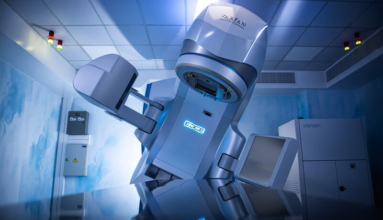
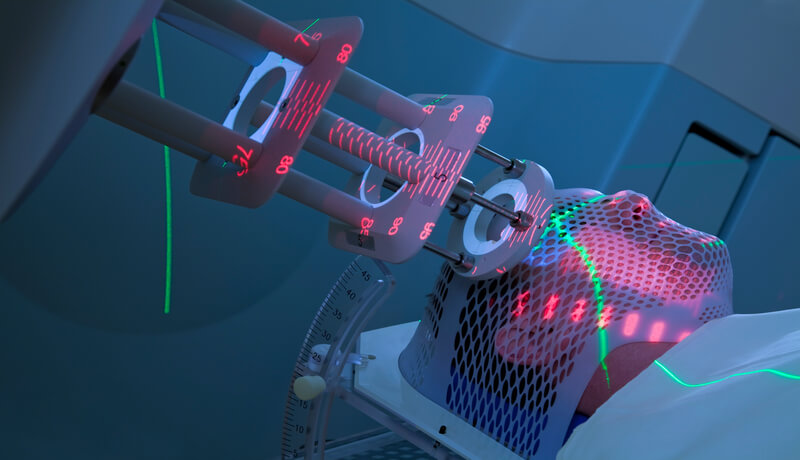
Radiation therapy is a cornerstone treatment for various types of tumors, including those in the nervous system. It uses high-energy rays or particles to destroy or damage cancer cells while attempting to spare surrounding healthy tissues. Depending on the tumor’s location and type, radiation therapy can be broadly applied to larger areas like the brain or precisely targeted at smaller, well-defined tumors using techniques such as stereotactic radiosurgery. Advances in medical technology have made radiation therapy more precise, but some risk to the nervous system remains unavoidable.
The degree of neurological damage depends on factors such as the total radiation dose, the duration of treatment, the dose per session, and individual patient characteristics, including age, genetic predisposition, and overall health. For instance, children are more vulnerable to long-term effects due to the developing nature of their nervous systems, while older adults may face increased risks due to preexisting health conditions.
To minimize harm while ensuring effective treatment, radiation therapy is usually administered over multiple sessions spread across days or weeks. This fractionated approach allows normal tissues to recover between sessions, reducing the risk of severe side effects while optimizing cancer cell destruction.
Radiation-Induced Symptoms
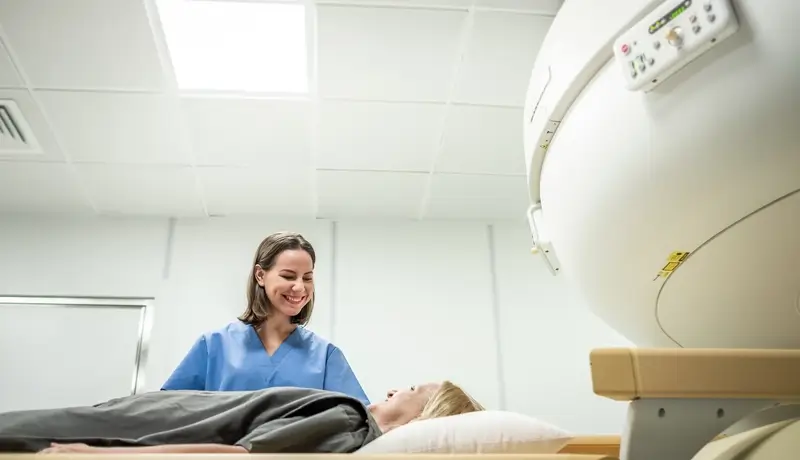
Radiation-induced neurological symptoms can manifest at various times and with differing intensities. These symptoms are broadly categorized into acute symptoms, early-delayed effects, and late-delayed effects. Understanding these categories helps healthcare providers tailor management strategies for each phase of treatment.
Acute Symptoms
Acute symptoms occur within the first few days or weeks of radiation therapy and are usually temporary. Common acute symptoms include:
- Headaches: Often caused by increased intracranial pressure due to swelling.
- Nausea and Vomiting: A result of cerebral edema or irritation in the treatment area.
- Fatigue: A frequent side effect caused by the body’s efforts to repair radiation-induced cellular damage.

- Confusion or Mental Fog: This can stem from swelling or temporary disruption of normal brain activity.
These symptoms are primarily attributed to cerebral edema, which can be effectively managed with corticosteroids like dexamethasone. Patients may also benefit from hydration and rest during this period to support recovery.
Early-Delayed Effects
Early-delayed effects typically appear weeks to a few months after the initiation of radiation therapy. These symptoms are generally mild and temporary, including:
- Fatigue: Persisting tiredness, even after rest, can impact daily activities.
- Headaches: Recurring headaches may signal ongoing swelling or irritation in the brain.
- Nausea: Often linked to the continued healing process or residual swelling.
In children undergoing whole-brain radiation, early-delayed symptoms can be more pronounced but often subside over time. Corticosteroids can help manage these symptoms, and physical therapy may be introduced to address any emerging motor coordination issues.
Late-Delayed Effects
Late-delayed effects are the most concerning as they occur months or even years after treatment, potentially causing permanent neurological damage. These effects may include:
- Cognitive Decline: Issues with memory, attention, and problem-solving abilities.
- Personality Changes: Mood swings, depression, or reduced emotional resilience.
- Motor Coordination Problems: Difficulty with balance or fine motor tasks.

- Spinal Cord Damage: Radiation near the spine may cause late-delayed myelopathy, resulting in sensory loss, muscle weakness, and Lhermitte sign (a shock-like sensation along the spine when bending the neck forward).
Children treated for medulloblastoma or other brain tumors are particularly at risk for these effects due to their higher sensitivity to radiation. Long-term cognitive rehabilitation and regular neurological assessments are essential for managing these complications.
Managing Radiation Therapy’s Neurological Impacts
Effective management of radiation-induced neurological damage begins with early recognition and intervention. Key strategies include:
- Regular Monitoring: Routine neurological exams and imaging (MRI or CT scans) during and after treatment help detect early signs of damage.
- Medications: Corticosteroids like dexamethasone reduce swelling, while pain relievers and anti-nausea medications provide symptom relief.
- Physical Therapy: Rehabilitation exercises can improve motor coordination and reduce the impact of sensory loss or muscle weakness.
- Cognitive Rehabilitation: Techniques such as memory exercises, problem-solving tasks, and behavioral therapy help patients regain cognitive functions.
- Supportive Care: Mental health counseling and support groups can address the emotional toll of long-term side effects.
For children and other vulnerable populations, long-term follow-up care is crucial. Interdisciplinary teams consisting of oncologists, neurologists, and rehabilitation specialists can provide comprehensive care plans tailored to individual needs.
Emerging Advances in Radiation Therapy
Recent advancements in radiation therapy aim to reduce neurological damage further while maintaining treatment effectiveness. Techniques like proton therapy and intensity-modulated radiation therapy (IMRT) offer greater precision, minimizing exposure to healthy tissues. Additionally, ongoing research into radioprotective agents seeks to develop drugs that shield normal tissues from radiation effects.
Conclusion
Radiation therapy is a critical tool for treating nervous system tumors, but it carries risks of neurological damage. By understanding these risks and implementing proactive management strategies, healthcare providers can help mitigate adverse effects while ensuring effective treatment. Advances in radiation technology and supportive care hold promise for improving outcomes and preserving the quality of life for patients.
To learn more about radiation therapy or discuss treatment options with our experts, contact us online or call us today.
Frequently Asked Questions
-
What are the long-term cognitive impacts of radiation therapy on patients treated for brain tumors?
Radiation therapy can result in late-delayed effects that affect cognitive abilities such as memory, attention, and problem-solving skills. These impacts vary based on the dose, treatment area, and the patient’s age. Children and older adults are more vulnerable to cognitive decline. Rehabilitation therapies, cognitive training, and consistent medical follow-up can help address these challenges over time. -
How can patients mitigate the risk of neurological side effects during radiation therapy?
To reduce neurological side effects, patients can work closely with their healthcare team to tailor the treatment plan. Techniques such as fractionated radiation (spreading out doses over weeks) and advanced targeting methods (like intensity-modulated radiation therapy) can minimize exposure to healthy tissues. Maintaining a healthy lifestyle, managing stress, and addressing acute symptoms promptly can also mitigate risks. -
Are there specific supportive therapies that can help improve quality of life after radiation-induced damage?
Yes, supportive therapies such as physical therapy, occupational therapy, and cognitive-behavioral therapy (CBT) can significantly improve quality of life. For physical symptoms like coordination or muscle weakness, rehabilitation exercises are crucial. For emotional well-being, counseling and mindfulness practices can provide relief. Medications, including corticosteroids and neuroprotective agents, may also be prescribed based on individual needs.
Radiation therapy neurological damage