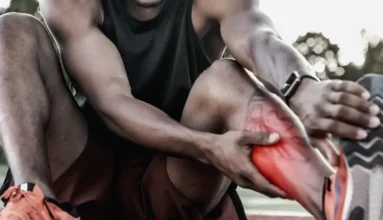
Rhabdomyolysis symptoms
Rhabdomyolysis: What Is It?
Rhabdomyolysis, often shortened to “rhabdo,” is a serious condition caused by direct or indirect muscle injury. It occurs when muscle fibers die and release their contents into your bloodstream. This can lead to severe complications, such as renal (kidney) failure, meaning your kidneys cannot effectively remove waste and concentrated urine. In rare cases, rhabdomyolysis can even be fatal. However, early treatment often results in a good outcome.
Causes of Rhabdomyolysis
There are many traumatic and non-traumatic causes of rhabdomyolysis. In the first category, causes include:
- Crush Injury: Injuries from auto accidents, falls, or building collapses.
- Long-lasting Muscle Compression: Prolonged immobilization after a fall or lying unconscious on a hard surface during illness or while under the influence of alcohol or medication.
- Electrical Shock Injury: Injuries from lightning strikes or third-degree burns.
- Venom: From snake bites or insect stings.
Non-traumatic causes of rhabdomyolysis include:
- Substance Use: Use of alcohol or illegal drugs like heroin, cocaine, or amphetamines.
- Extreme Muscle Strain: Especially in those assigned male at birth who exercise regularly and have a body mass index (BMI) over 30.
- Medications: Use of antipsychotics or statins, especially in high doses.
- Heat-Related Illnesses: Very high body temperatures (hyperthermia) or heat stroke.
- Seizures: Including delirium tremens (alcohol withdrawal delirium).
- Metabolic Disorders: Such as diabetic ketoacidosis.
- Muscle Diseases: Myopathy conditions such as congenital muscle enzyme deficiency or Duchenne’s muscular dystrophy.
- Infections: Viral infections like the flu, COVID-19, HIV, or herpes simplex virus.
- Bacterial Infections: Leading to toxins in tissues or the bloodstream (sepsis).
A previous history of rhabdomyolysis may also increase the risk of recurrence.
Some doctors have observed an uptick in rhabdomyolysis cases, attributing it to the rise of extreme exercise, such as high-intensity interval training, spinning, CrossFit, and ultrarunning.
Symptoms of Rhabdomyolysis
Signs and symptoms of rhabdomyolysis may be challenging to pinpoint, as the progression of the condition varies based on its cause. Symptoms can affect the entire body or just one area and may occur in both early and later stages.
The “classic triad” of rhabdomyolysis symptoms includes:
- Muscle pain in the shoulders, thighs, or lower back.
- Muscle weakness or difficulty moving arms and legs.
- Dark red or brown urine or decreased urination.
It’s important to note that half of the individuals with the condition may have no muscle-related symptoms.
Other common signs of rhabdo include:
- Abdominal pain.
- Nausea or vomiting.
- Fever.
- Rapid heart rate.
- Confusion.
- Dehydration.
- Lack of consciousness.
Diagnosis of Rhabdomyolysis
If you experience symptoms of rhabdomyolysis, it is essential to see your doctor for testing to confirm your diagnosis.
Creatine Kinase Blood Test
Blood tests for creatine kinase (CK), a product of muscle breakdown, are used to diagnose rhabdomyolysis. Elevated CK levels indicate the presence of the condition, and multiple blood tests may be needed during treatment to monitor CK levels.
Myoglobin Urine Test
Urine tests for myoglobin, a protein released from damaged muscles, can also help diagnose rhabdomyolysis. However, these tests may not be as accurate as blood tests because myoglobin moves quickly through the body, leading to potential false negatives.
Other Tests
Your doctor may conduct additional tests to rule out other problems, confirm the cause of rhabdomyolysis, or check for complications, including:
- Liver function test.
- EKG.
- Chest X-ray.
Treatment of Rhabdomyolysis
Early diagnosis and treatment of rhabdomyolysis and its underlying causes are crucial for a successful outcome. With prompt treatment, full recovery is often possible, and doctors can even reverse kidney damage. However, untreated complications can lead to lasting damage.
Hospitalization
If you are diagnosed with rhabdomyolysis, you will likely be admitted to the hospital for treatment of the underlying cause. Treatment with intravenous (IV) fluids helps maintain urine production and prevent kidney failure. In rare cases, dialysis may be necessary to assist your kidneys in filtering waste products during recovery. Managing electrolyte abnormalities (potassium, calcium, and phosphorus) is essential to protect your heart and other organs.
You may also require a surgical procedure called fasciotomy to relieve tension or pressure and restore circulation if compartment syndrome threatens muscle death or nerve damage. In some instances, close monitoring in the intensive care unit (ICU) may be required.
Most causes of rhabdomyolysis are reversible. If related to a medical condition such as diabetes or a thyroid disorder, appropriate treatment for that condition will be necessary. If your rhabdo is medication-related, the use of that medication must be discontinued or replaced with an alternative.
Post-Treatment Discussion
After treatment, discuss with your doctor any necessary limitations on diet or activity and avoid potential causes of rhabdomyolysis in the future.
Complications of Rhabdomyolysis
Complications can vary based on how long you’ve had rhabdomyolysis before treatment. Early complications may include:
- Very high potassium levels in the blood (hyperkalemia).
- Low calcium levels in the blood (hypocalcemia).
- Irregular heartbeat or cardiac arrest.
- Kidney damage, which occurs in up to half of the people treated for rhabdo.
- Liver problems, such as elevated liver enzymes.
- Abnormal blood clotting.
- Compartment syndrome, a serious compression of nerves, blood vessels, and muscles that can cause tissue damage and blood flow problems.
Later complications may include:
- Nerve damage related to compartment syndrome.
- Muscle contractures.
- Fatigue.
Recovery from Rhabdomyolysis
It may take a few weeks before you feel back to normal after experiencing rhabdo, even if you haven’t had complications. Recovery tips include:
- Your doctor may recommend avoiding exercise for several weeks to months, depending on the severity of your illness.
- Your blood and urine tests, as well as hydration levels, should return to normal before resuming activities.
- Most people can safely return to daily activities once muscle pain, weakness, and any flu-like symptoms have resolved.
- Physical therapy can help strengthen your muscles after a period of inactivity.
- Phase your return to exercise; start slowly, stay hydrated, and rest if you feel fatigued or sore to reduce the risk of recurring rhabdomyolysis.
When to Go to the Hospital
Early diagnosis and treatment of rhabdomyolysis are essential for a full recovery. Most individuals notice symptoms about 24-72 hours after exercise or an injury. However, distinguishing between rhabdomyolysis and typical post-workout fatigue can be difficult. Be alert to symptoms in specific muscles or muscle groups. If you notice extreme pain, weakness, swelling, or cramping in your muscles, and/or very dark urine, seek medical attention immediately.
Takeaways
Rhabdomyolysis is a serious, potentially life-threatening syndrome that occurs when muscle fibers die and release their contents into the bloodstream. It can result from exercise, crush injuries, or alcohol or illegal drug use, among other causes. Signs of rhabdo often include very dark brown or red urine and severe muscle pain or weakness, but half of individuals may not experience muscle-related symptoms. If you experience these symptoms, go to the hospital immediately to confirm the diagnosis and receive treatment.
Rhabdomyolysis FAQs
Can you fully recover from rhabdomyolysis?
Yes, recovery is possible, but it may take several weeks to months or longer. Complications can further delay recovery.
Is rhabdomyolysis an emergency?
Yes, rhabdomyolysis can be life-threatening. Recovery often depends on how quickly you receive treatment.
How do you prevent rhabdomyolysis?
To prevent rhabdo:
- Avoid strenuous exercise in the heat.
- Stay hydrated.
- Stop and rest if you feel fatigued or faint.
Request your Appointment by clicking on the picture below.