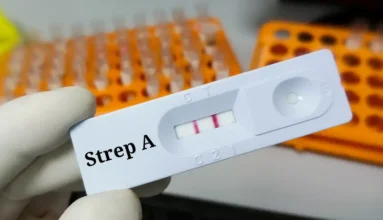
Rheumatic fever symptoms
Understanding Rheumatic Fever: Causes, Symptoms, and Treatment
Rheumatic fever is a serious inflammatory disease that may develop if strep throat or scarlet fever doesn’t receive proper treatment. Both strep throat and scarlet fever stem from group A streptococcus bacteria. This condition mainly affects children between ages 5 and 15, though younger children and adults can also develop it. While rheumatic fever is rare in developed countries, it remains a significant health concern in areas with limited healthcare resources.
What is Rheumatic Fever?
Rheumatic fever triggers an autoimmune response that mistakenly targets healthy tissue after a streptococcal infection. The body’s immune system starts attacking its own tissues, especially in the heart, joints, skin, and central nervous system. Over time, this can lead to lasting heart damage, particularly to the heart valves. If left untreated, rheumatic fever may cause complications like rheumatic heart disease, which can eventually result in heart failure.
Symptoms of Rheumatic Fever
Typically, symptoms of rheumatic fever appear 2 to 4 weeks after a strep throat infection. These symptoms arise due to inflammation in various body parts, including the joints, heart, skin, and brain. Symptoms may vary widely, but they often include the following:
- Fever: This is a common sign of inflammation.
- Joint pain or swelling: Pain usually targets large joints, such as the knees, ankles, elbows, and wrists. Affected joints might feel tender, warm, or swollen.
- Migratory joint pain: Pain can shift from one joint to another.
- Chest pain: This often signals heart inflammation.
- Fatigue: A general sense of tiredness and weakness.
- Subcutaneous nodules: Small, painless lumps that form under the skin, typically near the joints.
- Erythema marginatum: A flat or slightly raised rash with ragged edges, usually painless and often found on the torso or limbs.

Some individuals with rheumatic fever also experience Sydenham chorea, a condition that affects the nervous system. Sydenham chorea symptoms include jerky, uncontrollable movements in the hands, feet, and face, as well as emotional symptoms like unexpected crying or laughter.
When to See a Doctor
Prompt treatment for strep throat is essential to prevent rheumatic fever. See a healthcare provider if you or your child experiences any of these symptoms of strep throat:
- A sore throat that appears suddenly
- Pain while swallowing
- Fever
- Headache
- Stomach pain, nausea, or vomiting
Causes of Rheumatic Fever
Rheumatic fever develops when a throat infection caused by group A streptococcus bacteria goes untreated or doesn’t receive proper care. In such cases, the immune system may start attacking healthy tissues. This immune response can affect areas like the heart, joints, skin, and nervous system, leading to inflammation.
Strep infections in other parts of the body, like the skin, rarely lead to rheumatic fever. The most effective way to prevent rheumatic fever is by treating strep throat early with antibiotics and completing the full course of medication as prescribed.
Risk Factors
Certain factors increase the likelihood of developing rheumatic fever, including:
- Genetics: Some individuals carry genes that make them more likely to have an autoimmune response after a strep infection.
- Specific strep strains: Certain strains of strep bacteria have a higher tendency to cause rheumatic fever.
- Environmental factors: Overcrowded living conditions and poor sanitation allow strep bacteria to spread more easily, increasing the risk of rheumatic fever.
Complications of Rheumatic Fever
If left untreated, rheumatic fever can lead to lasting complications, primarily due to inflammation that affects the heart. Potential complications include:
- Rheumatic heart disease: Long-term damage to heart valves can occur, often impacting the mitral valve between the left chambers of the heart.
- Valve stenosis: Thickened or fused valve flaps cause the heart valve to narrow, restricting blood flow.
- Valve regurgitation: This occurs when blood flows backward through a damaged valve.
- Heart muscle damage: Inflammation can weaken the heart muscle, reducing its ability to pump blood effectively.
- Heart failure: Severe damage from rheumatic fever can lead to heart failure.
- Irregular heartbeats (Atrial fibrillation): Damaged heart tissue can lead to abnormal heart rhythms.
Prevention of Rheumatic Fever
The best way to prevent rheumatic fever is to treat strep throat or scarlet fever promptly. Following the prescribed antibiotics course fully ensures the bacteria are completely eliminated.
Diagnosing Rheumatic Fever
To diagnose rheumatic fever, healthcare providers consider medical history, conduct a physical examination, and perform specific tests, as no single test can confirm the condition alone.
Tests for Rheumatic Fever
- Blood tests: Blood tests help detect signs of inflammation, including C-reactive protein (CRP) and erythrocyte sedimentation rate (ESR).
- Strep antibody test: If the bacteria aren’t present, a blood test can reveal antibodies that indicate a recent strep infection.
- Electrocardiogram (ECG): This test records the heart’s electrical activity and helps identify irregular rhythms caused by inflammation.
- Echocardiogram: This imaging test uses sound waves to create a moving image of the heart, showing its structure and blood flow.

Treatment for Rheumatic Fever
Treatment for rheumatic fever focuses on eradicating the infection, reducing symptoms, controlling inflammation, and preventing recurrence. Treatment usually involves medications:
Medications for Rheumatic Fever
- Antibiotics: Doctors prescribe penicillin or other antibiotics to remove the strep bacteria. Additional antibiotics may follow the initial treatment to prevent recurrence. Patients may continue taking preventive antibiotics for years to protect the heart.
- Anti-inflammatory drugs: Medications like aspirin or naproxen help reduce inflammation, fever, and pain. In severe cases, corticosteroids may be prescribed.
- Antiseizure drugs: For patients with Sydenham chorea, medications such as valproic acid or carbamazepine can control involuntary movements.
After rheumatic fever is diagnosed, regular checkups are important to monitor for potential heart issues. Heart damage may not appear until many years later, so long-term follow-up is often recommended.
Lifestyle and Home Care
Rest is crucial during the active phase of rheumatic fever to support recovery. Activity levels may need to be restricted, particularly if the heart is affected.
Preparing for Your Appointment
If rheumatic fever is suspected, schedule an appointment with a healthcare provider. The provider may refer you to a heart specialist, or cardiologist, if they find signs of heart damage. Here are steps to help you prepare:
What You Can Do
- Ask about any preparations needed for tests, like fasting.
- List symptoms, even those that don’t seem related.
- Note personal information, such as recent stresses or changes.
- List all medications, vitamins, or supplements, including doses.
- Prepare questions for the healthcare team.
Some helpful questions include:
- What could be causing the symptoms?
- What tests will be needed, and what do they involve?
- What treatment options are available?
- What are the risks and benefits of these treatments?
- How can other health conditions be managed alongside rheumatic fever?
Ask for clarification whenever necessary. Bringing a loved one to the appointment can help you remember the details discussed.
What to Expect from Your Doctor
The healthcare provider will likely ask about when the symptoms began, any family history of strep or scarlet fever, and whether previous infections received full treatment. Providing these details helps with diagnosis and planning an effective treatment approach.
Conclusion
Rheumatic fever is a serious condition that requires prompt treatment to prevent complications, especially those involving the heart. Understanding the causes, symptoms, and treatments helps individuals take proactive steps for effective management. Treating strep throat infections early and following treatment guidelines significantly reduce the risk of developing rheumatic fever.
If you or a loved one shows symptoms of strep throat or rheumatic fever, consult a healthcare provider for diagnosis and treatment. Early care prevents serious outcomes and promotes long-term health.
Freqyently Asked Questions
-
What is the duration of rheumatic fever?
- The duration of rheumatic fever can vary from a few weeks to several months, depending on the severity of the inflammation and the timeliness of treatment. In some cases, the effects may be long-lasting, especially if the heart valves are affected.
-
Can rheumatic fever recur?
- Yes, there is a possibility of recurrence, especially if the streptococcal infection is not fully treated. Long-term use of antibiotics for prevention (prophylactic treatment) can significantly reduce the risk of recurrence.
-
What are the long-term complications of rheumatic fever?
- Long-term complications include rheumatic heart disease, damage to heart valves, and the development of heart failure. These complications may require monitoring by a cardiologist and, in severe cases, surgical intervention.