Thrombocytopenia causes and symptoms
Understanding Thrombocytopenia: Causes, Symptoms, and Treatment
Overview
Thrombocytopenia happens when the body does not make enough platelets, which are blood cells that help stop bleeding by forming clots. When someone has low platelets, bleeding may happen more often and be hard to stop. Thrombocytopenia often affects people with certain health conditions, like autoimmune diseases, or those taking specific medications. Because of this, doctors usually treat it by addressing the underlying condition and adjusting any medications that might be causing the issue.
What is Thrombocytopenia?
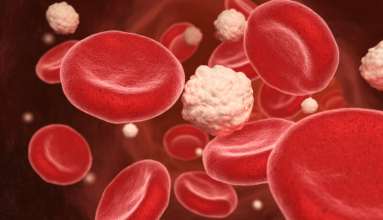
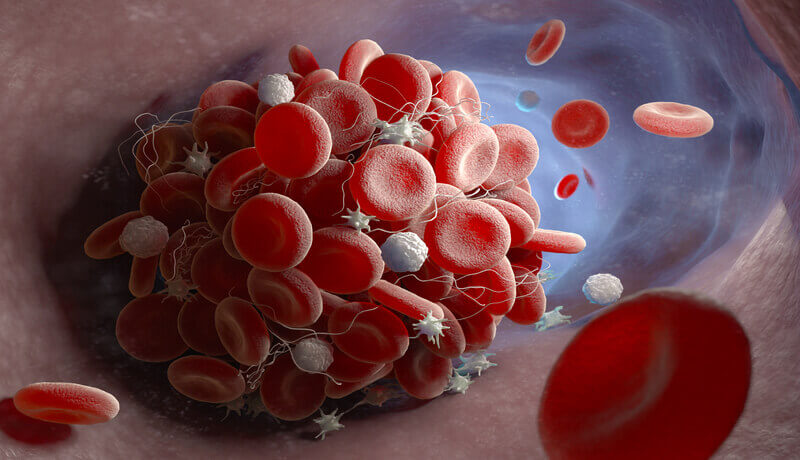
Thrombocytopenia (pronounced “THROM-bo-sigh-toe-PEE-ne-ah”) occurs when the body does not have enough platelets to form blood clots and stop bleeding effectively. Since platelets, or thrombocytes, are essential blood cells for clotting, people with this condition might bleed more than usual or have trouble stopping bleeding.
How Common is Thrombocytopenia?
Some people have thrombocytopenia without realizing it because their symptoms are very mild. For example, immune thrombocytopenia (ITP), a specific type, affects about 3 to 4 out of every 100,000 children and adults. Additionally, around 5% of pregnant people develop mild thrombocytopenia close to childbirth, but this is usually temporary.
Complications of Thrombocytopenia
When thrombocytopenia is severe, it can lead to serious complications. For instance, it may result in:
- Internal Bleeding: Low platelets increase the risk of bleeding in the digestive tract or, in rare cases, the brain, which is very dangerous.
- Heart Attack: Low platelet levels may reduce blood flow, which can affect the heart and increase the risk of a heart attack.
Normal Platelet Levels
In adults, a normal platelet count ranges from 150,000 to 450,000 per microliter of blood. For reference, thrombocytopenia levels are categorized as:
- Mild: 101,000–140,000 platelets per microliter
- Moderate: 51,000–100,000 platelets per microliter
- Severe: 21,000–50,000 platelets per microliter
Symptoms of Thrombocytopenia
Symptoms vary based on the severity of thrombocytopenia. While mild cases may show no symptoms, more severe cases can cause the following signs:
- Excessive Bleeding: Cuts or nosebleeds that do not stop easily
- Bleeding Gums: Blood on the toothbrush and swollen gums
- Blood in Stool: Dark or black stool could mean bleeding in the digestive tract
- Blood in Urine: Urine may have a pinkish tint
- Blood in Vomit: Vomiting blood, also called hematemesis, may signal bleeding in the upper digestive tract
- Heavy Menstrual Periods: Menstrual bleeding that lasts longer or is heavier than usual
- Petechiae: Tiny red or purple dots on the skin, often on the lower legs
- Purpura: Red or purple patches on the skin due to leaking blood vessels
- Easy Bruising: Frequent or easy bruising, even with minor injuries
- Rectal Bleeding: Blood in the toilet water or on toilet paper after a bowel movement
Causes of Thrombocytopenia
The causes of thrombocytopenia usually fall into three main categories:
- Low Platelet Production: Certain blood cancers, like leukemia, may prevent the bone marrow from making enough platelets.
- Increased Platelet Destruction: Autoimmune diseases, medications, or infections can increase the rate at which platelets are destroyed.
- Trapped Platelets: An enlarged spleen may store too many platelets, reducing the number available in the bloodstream.
Specific Causes of Thrombocytopenia
Several conditions and factors can lower platelet levels. For example:
- Autoimmune Diseases: Conditions like immune thrombocytopenia (ITP), lupus, and rheumatoid arthritis may lead the immune system to attack platelets.
- Blood Cancers: Leukemia and lymphoma can reduce the bone marrow’s ability to produce enough platelets.
- Cancer Treatments: Chemotherapy and radiation can damage the cells that would normally become platelets.
- Thrombotic Thrombocytopenic Purpura (TTP): TTP is a rare blood disorder where small blood clots form throughout the body, using up platelets and leading to low levels.
- Infections: Some bacterial and viral infections may decrease platelet levels.
- Alcohol Use: Heavy alcohol intake can slow down platelet production.
- Toxic Chemicals: Exposure to chemicals like arsenic, benzene, or pesticides may lower platelet counts.
- Medications: Certain drugs, including antibiotics, seizure medications, and blood thinners (like heparin), may reduce platelet levels.
Diagnosis and Tests
Doctors diagnose thrombocytopenia by reviewing symptoms, medical history, and conducting a physical exam to check for signs like bruising or rashes. They may also use these tests:
- Complete Blood Count (CBC): This test measures levels of red, white, and platelet cells to assess blood health.
- Peripheral Blood Smear: Doctors examine blood cells under a microscope to evaluate platelet size and number.
- Blood Clot Test: The clot test checks clotting time, including partial thromboplastin time (PTT) and prothrombin time (PT) tests.
- Bone Marrow Biopsy: If platelet counts are low, a biopsy may show whether the bone marrow is producing enough platelets.
Treatment of Thrombocytopenia
Treatment depends on the severity of thrombocytopenia and the underlying cause. While mild cases may not need treatment, doctors often treat severe cases by managing the cause or raising platelet levels:
- Steroids: Medications like steroids can increase platelet production by calming the immune response.
- Platelet Transfusion: A platelet transfusion can temporarily increase platelet counts, typically lasting for a few days.
- Splenectomy: Removing the spleen, or splenectomy, may help if the spleen is trapping too many platelets. Since this raises infection risk, doctors may recommend vaccines to help prevent infections.
Preventing Thrombocytopenia
Prevention often involves knowing if you have conditions or medications that increase the risk of thrombocytopenia. Thus, it is wise to talk to your doctor about any changes that may help, such as avoiding certain medicines or activities.
Outlook and Prognosis
Many factors, including autoimmune diseases, alcohol intake, or exposure to harmful chemicals, may lower platelet levels and lead to thrombocytopenia. Once doctors identify the reason for low platelet levels, they may suggest treatment or lifestyle changes to help maintain normal platelet levels and improve quality of life.
Living with Thrombocytopenia
If you have thrombocytopenia, here are some self-care tips to consider:
- Healthy Habits: Quit smoking, as it increases blood clot risks. Limit alcohol intake, as heavy drinking can affect platelets.
- Medication Caution: Some over-the-counter medicines contain aspirin or ibuprofen, which can thin the blood. Check with your doctor before taking supplements or herbal products.
- Avoid High-Risk Activities: Contact sports like football or basketball carry a high risk of injuries. Ask your doctor about safe physical activities.
- Safe Travel: Always wear your seatbelt when driving or as a passenger in a vehicle to reduce injury risk.
When to Seek Medical Care
Thrombocytopenia symptoms may appear suddenly or gradually. Therefore, seek medical care if you notice new bruising, unusual bleeding, or any symptoms that concern you. Additionally, if you had a splenectomy, you have a higher risk of infection. Contact your doctor if you develop a fever or signs of infection.
Questions to Ask Your Healthcare Provider
If you have thrombocytopenia, here are some questions to consider asking:
- What could be causing my thrombocytopenia?
- What treatment options are best for my condition?
- What lifestyle changes can help reduce bleeding or bruising risks?
- Are there any symptoms of complications I should be aware of?
Thrombocytopenia, or low platelet count, can increase the risk of excessive bleeding or bruising. Severe cases can lead to internal bleeding or even heart issues. Therefore, it’s crucial to understand why platelet levels are low and to follow medical advice on managing the condition to support a healthy lifestyle.
Request your Appointment by clicking on the picture below.