Tracheal Intubation Training
A Vital Skill for Emergency Airway Management at Sea
Introduction
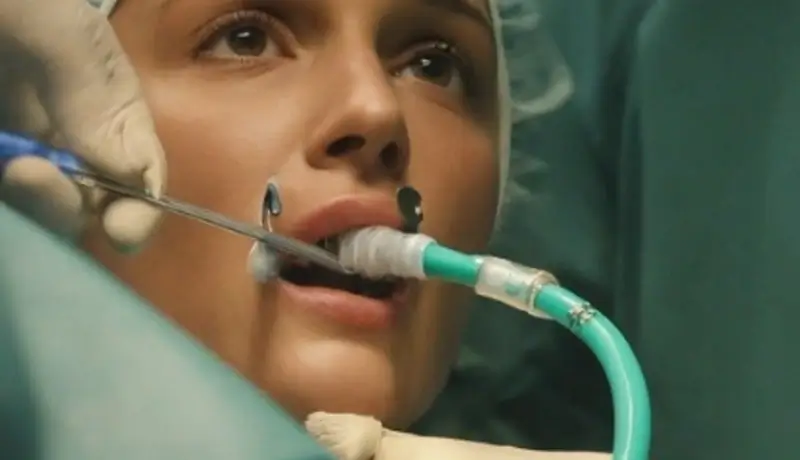
In the unpredictable and challenging environment of a ship, far from the reach of shore-based medical facilities, the ability to secure an airway can mean the difference between life and death. Tracheal intubation is a critical medical procedure that ensures a patient’s airway remains open by inserting a tube directly into the trachea, allowing for controlled ventilation and oxygenation.
Emergencies such as cardiac arrest, pneumothorax, or severe facial burns demand quick and efficient airway management. For this reason, every Maritime Medic must be proficient in this life-saving procedure. At the School of Maritime Medics, we provide comprehensive, hands-on training in tracheal intubation, ensuring medics are prepared to manage even the most complex airway emergencies with precision and confidence.
Why Tracheal Intubation is Essential at Sea
Ships face unique medical challenges due to their isolated environment and limited resources. Several emergency scenarios require immediate tracheal intubation, making it a vital skill for Maritime Medics. These scenarios include:
Cardiac Arrest and CPR
During cardiopulmonary resuscitation (CPR), maintaining an open airway is essential for oxygen delivery to the lungs and vital organs. Tracheal intubation ensures uninterrupted airflow, significantly increasing the chances of patient survival during cardiac arrest.
Traumatic or Spontaneous Pneumothorax
In cases of lung collapse, tracheal intubation plays a crucial role in sustaining oxygen levels until the patient can be stabilized or evacuated. This intervention not only prevents further complications but also buys valuable time for medical intervention.
Severe Facial Burns
Facial burns, particularly those caused by inhaling toxic fumes, often compromise the airway. Rapid intubation secures the airway before swelling or damage blocks it entirely. Without this intervention, the patient may face a life-threatening situation requiring a more invasive procedure, such as a tracheotomy.
In all these situations, time is of the essence. A skilled Maritime Medic equipped with intubation expertise can make critical decisions quickly, saving lives and preventing further deterioration of the patient’s condition.
The Challenges of Tracheal Intubation
Tracheal intubation is a complex procedure that demands not only theoretical knowledge but also practical skill and composure under pressure. Maritime Medics face additional challenges due to the unique conditions at sea, such as:
Complex Patient Anatomy
Certain patients present with difficult airways due to factors like obesity, trauma, or congenital abnormalities. These situations require medics to adapt quickly and use advanced techniques to secure the airway effectively.
High-Pressure Emergency Situations
Emergencies such as cardiac arrest or severe trauma demand rapid and precise action. Medics must remain calm, focused, and efficient while performing intubation, even under stressful conditions.
Maritime-Specific Challenges
Unlike hospitals, ships have limited medical equipment, and procedures may need to be performed in confined or unstable conditions. Rough seas, restricted spaces, and the absence of specialized tools further complicate the process, making rigorous training essential.
These challenges highlight the importance of extensive practice and preparation. Through proper training, Maritime Medics can overcome these obstacles and perform intubation with confidence and precision, even in the most adverse conditions.
Hands-on Training at the School of Maritime Medics
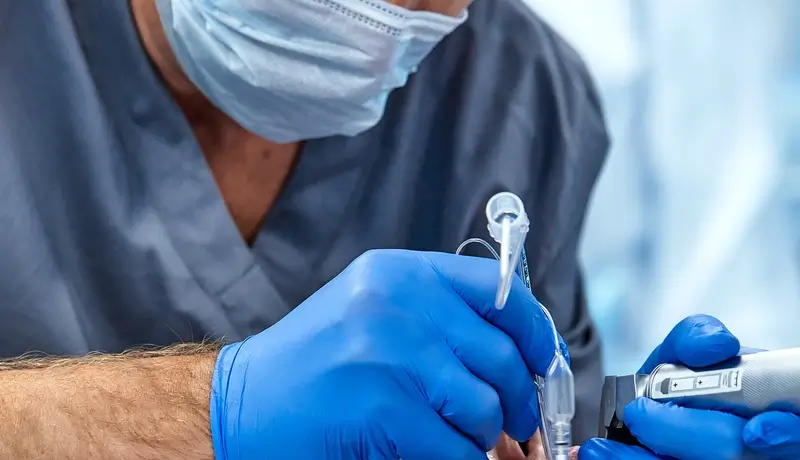
At the School of Maritime Medics, our training program is designed to build not only theoretical knowledge but also the practical skills necessary for mastering tracheal intubation. We emphasize hands-on learning, using realistic models and simulated emergency scenarios to prepare medics for real-life situations.
Practical Intubation Techniques
Trainees gain expertise in key areas, including:
- Identifying the airway: Learning to quickly locate the airway and ensure proper tube placement to prevent complications.
- Managing complex cases: Practicing advanced techniques to overcome challenges such as airway obstructions or anatomical abnormalities.
- Developing muscle memory: Repeated practice on realistic models helps medics build the muscle memory needed to perform intubation efficiently, even under high stress.
Comprehensive 4-Week Program
Our tracheal intubation training is part of a comprehensive 4-week program. Trainees practice in diverse scenarios, such as performing intubations in confined spaces, during rough seas, or with limited resources. By the end of the program, medics are equipped with the skills and confidence to handle even the most complex airway emergencies.
Conclusion: A Critical Life-Saving Skill for Maritime Medics
Tracheal intubation is a life-saving procedure that every Maritime Medic must master. Securing the airway during emergencies is crucial for maintaining oxygen flow and stabilizing patients until further medical support is available. The School of Maritime Medics provides rigorous, hands-on training that prepares medics to perform this critical skill with confidence and efficiency, even in the most challenging conditions.
By investing in this training, maritime companies can enhance the safety and well-being of their crew while reducing the need for costly medical evacuations. For more information about our training programs, contact us today.
Frequently Asked Questions
-
What is the difference between tracheal intubation and a tracheotomy?
Tracheal intubation is a temporary procedure that secures the airway by inserting a tube through the mouth or nose, while a tracheotomy is a surgical procedure that creates a permanent opening in the neck to provide long-term access to the trachea. -
How can intubation training help in situations with limited resources?
Training enables responders to effectively use basic and portable equipment, adapting their techniques to the specific situation, ensuring the airway is secured even with minimal resources available. -
What type of equipment is needed for tracheal intubation training in maritime environments?
The training involves using anatomical simulators, such as realistic airway models, and portable intubation equipment designed for confined spaces and the motion challenges of a maritime setting.
Tracheal Intubation Training