Understanding Your CBC Results
The Complete Blood Count (CBC) is one of the most common and essential blood tests. It helps evaluate your overall health and can detect a variety of conditions such as infections, anemia, and immune system disorders. Here’s a breakdown of what each component means and how to interpret your results.
What Is a CBC?
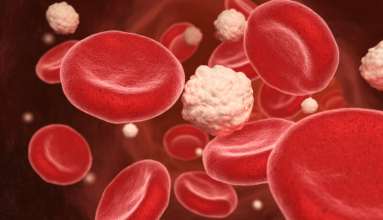
A CBC measures several components of your blood, including red blood cells (RBCs), white blood cells (WBCs), hemoglobin, hematocrit, and platelets. It provides a snapshot of your blood’s ability to carry oxygen, fight infection, and clot properly.
Key Components of the CBC
- White Blood Cells (WBC): High levels may suggest infection; low levels may indicate immune deficiency or bone marrow issues.
- Red Blood Cells (RBC): Carry oxygen throughout the body. Low levels may indicate anemia.
- Hemoglobin (HGB): The oxygen-carrying protein in red blood cells. Low levels = anemia; high levels may suggest dehydration or other conditions.
- Hematocrit (HCT): The percentage of red blood cells in your blood. It usually reflects hydration status and anemia.
- Platelets (PLT): Help blood clot. Low levels may increase bleeding risk; high levels can increase clot risk.
Normal Reference Ranges
These values may vary slightly by lab and individual factors, but general ranges are:
- WBC: 4,000 – 11,000 /μL
- RBC: 4.5 – 5.9 million /μL (men), 4.1 – 5.1 million /μL (women)
- Hemoglobin: 13.5 – 17.5 g/dL (men), 12.0 – 15.5 g/dL (women)
- Hematocrit: 38.8% – 50.0% (men), 34.9% – 44.5% (women)
- Platelets: 150,000 – 450,000 /μL
When to See a Doctor
If any of your values fall outside the normal range, it’s important to discuss the results with a medical professional. A single abnormal value doesn’t always indicate a serious issue, but trends over time may be significant.
Book a Consultation
Want to discuss your CBC results with a doctor? Click the button below to book an appointment at our Athens clinic.
Understanding CBC Results