Comprehensive Guide to Guillain-Barré Syndrome Management
Introduction to Guillain-Barré Syndrome Management
This comprehensive Guillain-Barré Syndrome Management Handbook provides an in-depth guide on how to manage Guillain-Barré Syndrome (GBS), a rare but serious autoimmune disorder. In GBS, the immune system mistakenly attacks the peripheral nerves, leading to muscle weakness and, in severe cases, paralysis. The guide is designed to offer valuable insights into recognizing early symptoms, understanding diagnostic processes, and exploring effective treatment strategies for GBS.
Symptoms and Progression in Guillain-Barré Syndrome Management
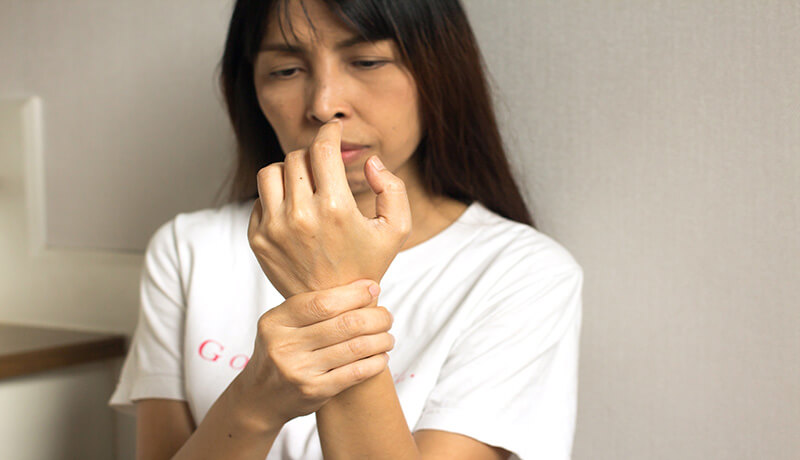
Effective management of Guillain-Barré Syndrome begins with the early recognition of its symptoms. Initially, individuals may experience muscle weakness, typically starting in the legs and progressively moving upwards. This ascending paralysis is a hallmark of GBS and can eventually affect the arms, face, and respiratory muscles. Patients often report additional sensations, including tingling, numbness, or a “pins and needles” feeling. As the condition progresses, it is crucial to manage severe cases, particularly those that impair breathing or involve facial muscle paralysis, as these complications can be life-threatening. Early intervention is key to preventing the more serious effects of GBS.
Early Symptoms to Watch For
In the early stages of Guillain-Barré Syndrome, patients may notice weakness in their legs, which can feel like an unusual heaviness or difficulty walking. This weakness often spreads to the upper body, including the arms and chest. Other early warning signs include a loss of reflexes, difficulty with facial movements, and trouble speaking or swallowing. Recognizing these early symptoms is critical for timely diagnosis and treatment, which can significantly impact the overall prognosis.
Diagnosing Guillain-Barré Syndrome
Accurate and timely diagnosis is a cornerstone of effective Guillain-Barré Syndrome management. Diagnosing GBS involves a combination of clinical observation and specialized tests to confirm the condition and rule out other disorders. Monitoring the progression of symptoms is essential, as GBS can often be confused with other neurological conditions in its early stages. Physicians may employ several diagnostic tests to ensure an accurate diagnosis, including:
- Electromyography (EMG): This test measures the electrical activity of muscles and the speed at which nerves conduct signals. Abnormal results can indicate damage to the peripheral nerves, which is characteristic of GBS.
- Nerve Conduction Studies (NCS): NCS assess how quickly and efficiently electrical impulses move through the nerves. Delayed or slowed responses can be a sign of nerve damage consistent with Guillain-Barré Syndrome.
- Magnetic Resonance Imaging (MRI): While not always necessary for diagnosing GBS, an MRI can help rule out other conditions that may cause similar symptoms, such as a spinal cord injury or stroke.
- Spinal Tap (Lumbar Puncture): This procedure involves collecting and analyzing cerebrospinal fluid (CSF) from the spinal column. Elevated levels of protein in the CSF, without an increase in white blood cells, are often indicative of GBS.
Differentiating GBS from Other Conditions
Given that Guillain-Barré Syndrome shares symptoms with other neurological disorders, it is essential to differentiate GBS from these conditions. Accurate diagnosis often requires a thorough medical history, a detailed neurological examination, and the use of diagnostic tests. Differentiating GBS from conditions like chronic inflammatory demyelinating polyneuropathy (CIDP) or multiple sclerosis (MS) is crucial for effective management and treatment planning.
Effective Treatment Strategies in Guillain-Barré Syndrome Management
Prompt hospitalization is often necessary for individuals diagnosed with Guillain-Barré Syndrome, as the condition can progress rapidly. Early treatment is critical in managing the symptoms and preventing complications. The primary treatment options for GBS include:
- Intravenous Immune Globulin (IVIG): IVIG involves administering a high dose of immunoglobulins, which are antibodies that help reduce the immune system’s attack on the nerves. This treatment can shorten the duration of symptoms and accelerate recovery.
- Plasma Exchange (Plasmapheresis): This procedure removes and replaces the plasma in the blood, effectively removing the antibodies that are attacking the nerves. Plasma exchange has been shown to reduce the severity of symptoms and promote faster healing.
- Supportive Care: In addition to these treatments, supportive care is vital in managing Guillain-Barré Syndrome. This includes respiratory support, as GBS can affect the muscles responsible for breathing, and physical therapy to maintain muscle strength and flexibility during recovery.
- Rehabilitation: After the acute phase of GBS, rehabilitation becomes a critical component of the recovery process. Physical and occupational therapy help patients regain strength, mobility, and independence. Rehabilitation can also address any lingering symptoms, such as fatigue or pain.
Hospitalization and Intensive Care
In severe cases of Guillain-Barré Syndrome, patients may require hospitalization in an intensive care unit (ICU). Here, they can receive close monitoring and support for critical functions such as breathing and heart rate. Mechanical ventilation may be necessary if the respiratory muscles become too weak to function independently. Intensive care teams also manage potential complications like infections or blood clots, which can arise due to prolonged immobility.
Recovery and Outlook in Guillain-Barré Syndrome Management
The recovery process in Guillain-Barré Syndrome varies from person to person. Most patients experience a halt in the worsening of symptoms within eight weeks of onset. Early and effective treatment can significantly improve recovery outcomes, reducing the likelihood of long-term complications. However, the recovery journey can be lengthy, with some patients requiring months or even years to regain full strength and function. Ongoing physical therapy and rehabilitation are often necessary to restore mobility and independence.
Long-Term Outlook
While many individuals with Guillain-Barré Syndrome recover fully, some may experience lingering effects such as chronic pain, fatigue, or residual weakness. In rare cases, GBS can lead to permanent disability. However, with advances in medical treatment and rehabilitation, the long-term outlook for GBS patients continues to improve. Support from healthcare professionals, family, and support groups plays a vital role in helping patients navigate the challenges of recovery.
Prevention and Awareness
Understanding the potential triggers of Guillain-Barré Syndrome is essential for prevention and timely intervention. GBS often follows infections, such as those caused by the Campylobacter bacteria, influenza, or the Zika virus. In some cases, vaccinations may also trigger the onset of GBS, though this is rare. By increasing awareness of these triggers, healthcare providers can better advise patients on how to reduce their risk and seek early treatment if symptoms develop.
Living with Guillain-Barré Syndrome
Adjusting to life with Guillain-Barré Syndrome can be challenging, both during the acute phase and throughout the recovery process. Patients may require extensive rehabilitation to regain strength and mobility. Physical and occupational therapy are critical components of this rehabilitation, helping individuals rebuild muscle strength, coordination, and daily living skills. Additionally, emotional and psychological support is vital, as GBS can be a distressing and life-altering experience. Counseling, support groups, and mental health services can provide the necessary emotional support to help patients and their families cope with the impacts of the syndrome.
Support Networks and Resources
Various support networks and resources are available for Guillain-Barré Syndrome patients and their families. These organizations offer a platform for sharing experiences, receiving emotional support, and accessing valuable information about the condition. Connecting with others who have experienced GBS can be incredibly empowering, helping individuals feel less isolated and more equipped to manage their condition. Support networks also provide resources for caregivers, offering guidance on how to best support their loved ones during recovery.