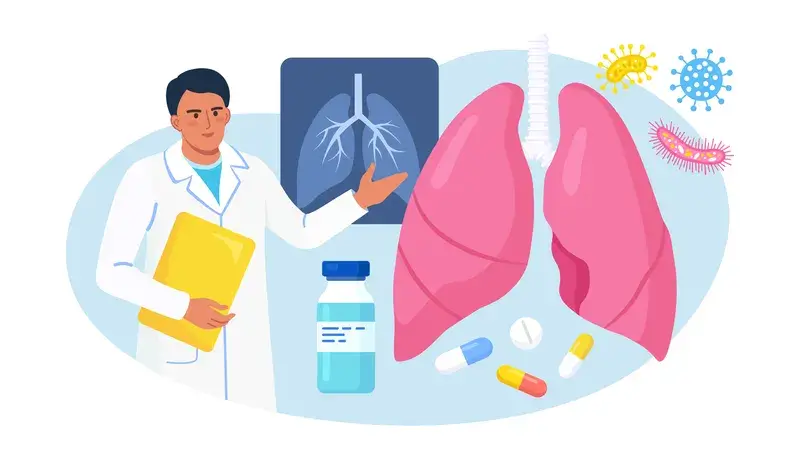
HMPV symptoms and prevention
The New Virus: What You Need to Know About HMPV
Where Did the Virus Come From?
The virus, first detected in Wuhan, China, is believed to have originated from wet markets. Early cases were linked to wildlife trade, and experts think it spread due to zoonotic transmission. Overcrowded conditions and poor hygiene practices further facilitated its spread.
What Does the Virus Cause?
This virus primarily causes respiratory illness. Common symptoms include:
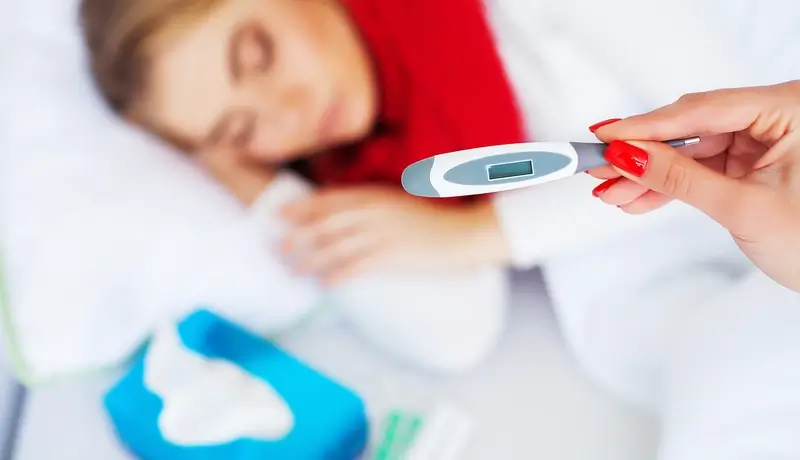
- Cough
- Shortness of breath
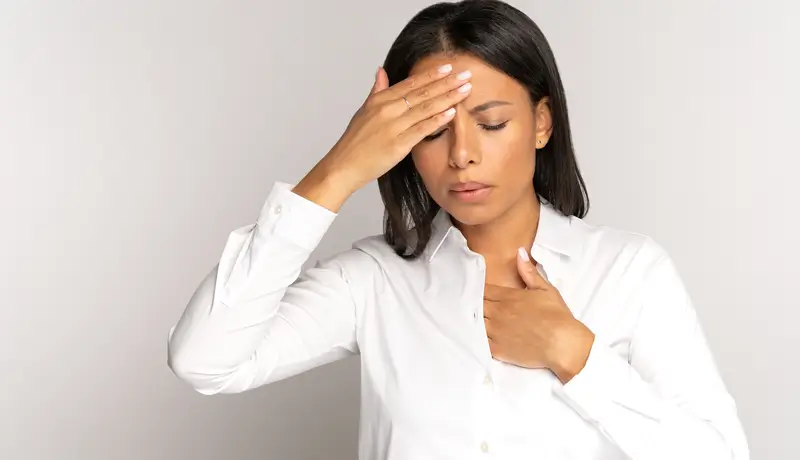

- Muscle or body aches
- Nausea or vomiting
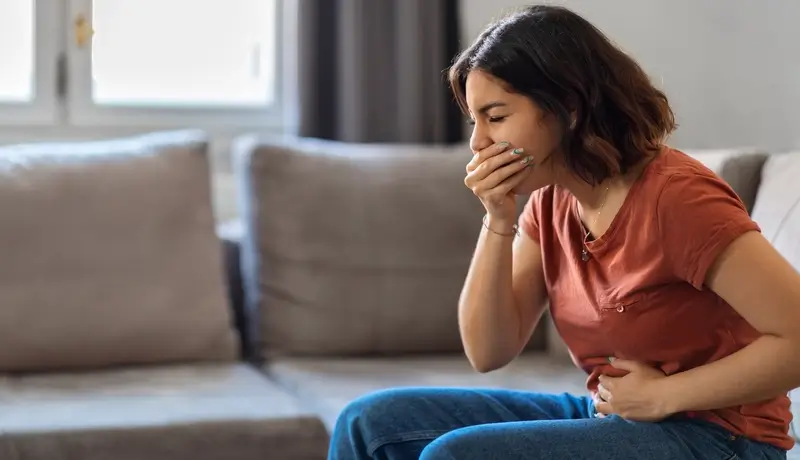
In severe cases, the virus may lead to complications such as pneumonia, organ failure, or even death, particularly in individuals with weakened immune systems, the elderly, or those with pre-existing conditions.
How is the Virus Transmitted?
The virus spreads through:
- Direct contact with infected individuals.
- Airborne droplets released when an infected person coughs, sneezes, or talks.
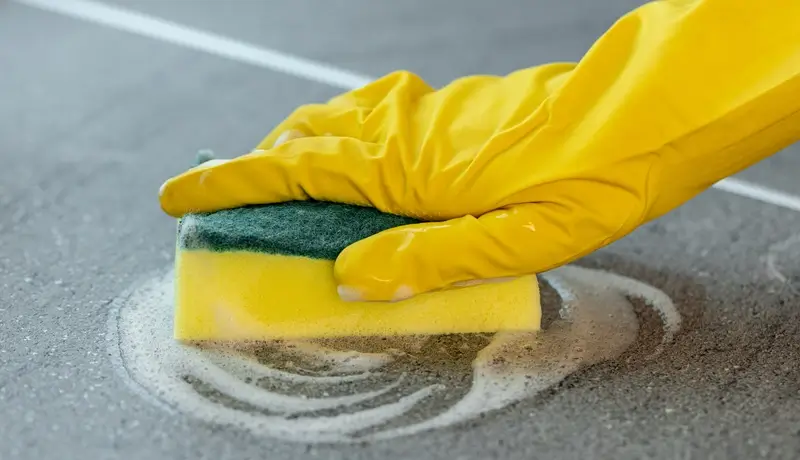
- Contaminated surfaces, where the virus can survive for several hours to days.
What Can Trigger the Virus to Spread?
Certain behaviors and conditions can accelerate the spread of the virus:
- Large gatherings or crowded spaces.
- Poor hygiene practices, such as not washing hands.
- Lack of ventilation in enclosed areas.
- Traveling to or from areas with high infection rates.
What to Watch Out For
If you have been exposed to someone diagnosed with the virus or have recently traveled to an affected area, monitor for these warning signs:
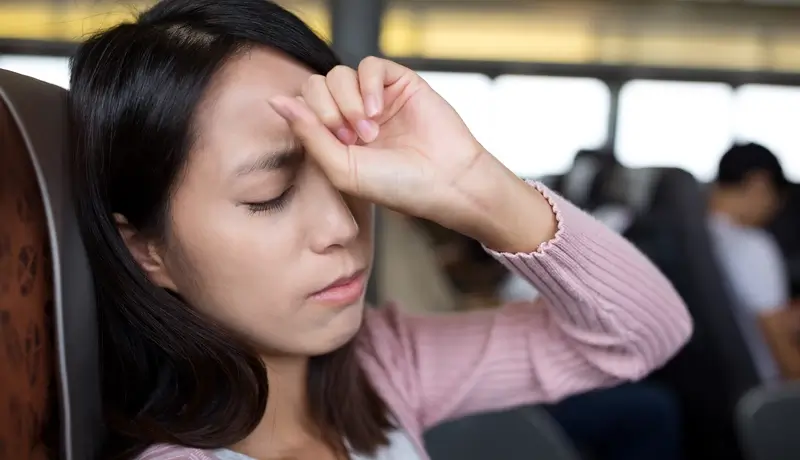
- Persistent high fever
- Difficulty breathing or chest pain
- Severe headache or confusion
- Skin rash or discoloration (in some variants)
What to Do if You Have Symptoms
If you suspect you are infected:
- Self-isolate: Stay at home to prevent spreading the virus to others.
- Seek medical advice: Contact a healthcare provider for guidance. Call ahead to inform them of your symptoms before visiting a clinic or hospital.
- Practice good hygiene: Wear a mask, wash your hands frequently, and avoid sharing personal items.
- Monitor your health: Keep track of your symptoms and seek emergency care if they worsen, such as severe breathing difficulties.
Prevention Tips
To reduce your risk of infection:
- Wash your hands regularly with soap and water for at least 20 seconds.
- Use hand sanitizer with at least 60% alcohol when soap and water are unavailable.
- Avoid close contact with sick individuals.
- Wear a mask in crowded or enclosed spaces.

- Disinfect surfaces frequently, especially high-touch areas.
- Stay informed about local health advisories and vaccination availability.
Treatment and Recovery
There is currently no specific antiviral treatment for this virus. Most cases can be managed with supportive care, such as:
- Rest and hydration.
- Over-the-counter medications for symptom relief (e.g., fever reducers).
Severe cases may require hospitalization for oxygen therapy or intensive care. Researchers are actively working on developing vaccines and targeted treatments.
Stay Informed
For the latest updates, follow trusted sources like the World Health Organization (WHO) and your local health department. Early awareness and proactive measures can help protect you and your loved ones.
By staying vigilant, informed, and cautious, we can collectively work to limit the impact of this new virus and ensure the safety of our communities.
Frequently Asked Questions (FAQ)
Q: What is HMPV? A: HMPV (Human Metapneumovirus) is a virus that primarily causes respiratory illnesses, ranging from mild colds to severe infections.
Q: How can I protect myself from HMPV? A: Practice good hygiene, wear a mask in crowded places, wash your hands frequently, and avoid close contact with sick individuals.
Q: What should I do if I suspect I have HMPV? A: Self-isolate, monitor your symptoms, and contact a healthcare provider for advice. Seek immediate care if symptoms worsen.
Q: Is there a vaccine for HMPV? A: Currently, there is no vaccine for HMPV. Researchers are working on developing one.
Q: How is HMPV different from other respiratory viruses? A: While symptoms may overlap, HMPV often affects children, the elderly, and those with weakened immune systems more severely.
Q: Can I recover from HMPV at home? A: Most mild cases can be managed with rest, hydration, and over-the-counter medications. Severe cases may require medical attention.
HMPV symptoms and prevention
