
Jones Act Rights for Seamen with Aplastic Anemia: Maintenance and Cure Explained
Source: Manoog Law Firm
Understanding Aplastic Anemia and Seamen’s Rights Under the Jones Act
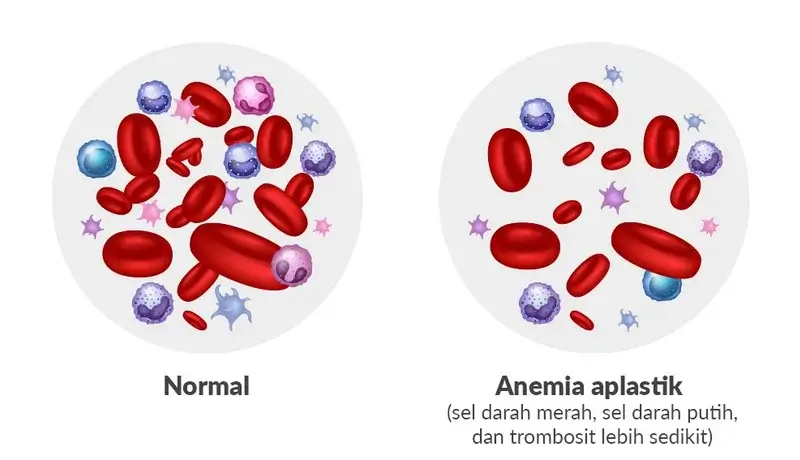
Aplastic anemia significantly weakens the body by reducing the production of red and white blood cells, as well as platelets. This condition causes extreme fatigue, breathlessness, and a heightened risk of infections. For seamen, the challenges of this illness are amplified due to the physically demanding nature of their work.
The Jones Act provides vital protections to seamen diagnosed with illnesses like aplastic anemia. This maritime law ensures that they receive financial support for daily living expenses and access to essential medical care. By offering “maintenance and cure,” the law prioritizes the welfare of seafarers, enabling them to recover with dignity and stability.
Case Study: Ramirez v. Carolina Dream Inc.
In the case of Ramirez v. Carolina Dream Inc., Ramirez developed aplastic anemia while working aboard the Carolina Dream. As his condition worsened, he required hospitalization and long-term treatment. Initially, the employer denied his claim for maintenance and cure, arguing that his illness was unrelated to his work.
The court ruled in Ramirez’s favor, emphasizing that the Jones Act obligates employers to provide support for illnesses or injuries arising during employment. This case reaffirmed the principle that maritime workers must receive financial and medical assistance, even if the illness is not directly caused by their work environment. The ruling also highlighted the importance of holding employers accountable for their legal responsibilities.
What Is “Maintenance and Cure” Under the Jones Act?
The Jones Act guarantees “maintenance and cure” to seamen suffering from work-related injuries or illnesses. These terms ensure that seamen are supported during recovery:
- Maintenance: Provides a daily allowance to cover essential living expenses, such as food and housing, while the seaman cannot work.
- Cure: Covers medical costs, including hospital stays, medications, and follow-up treatments, until the seaman reaches maximum medical improvement (MMI). MMI is the point where no further recovery is expected.
In Ramirez’s case, the court highlighted that employers must uphold their responsibility to provide maintenance and cure. This obligation ensures that seamen have the resources they need to recover fully and regain their health.
The Legal Significance of Ramirez’s Case
The decision in Ramirez v. Carolina Dream Inc. underscores several key aspects of the Jones Act:
- Employer Accountability: Employers must support seamen through maintenance and cure, regardless of whether the condition was directly caused by work.
- Judicial Prioritization: Courts prioritize the health and well-being of seamen when adjudicating disputes, ensuring that workers receive the care they need.
- Comprehensive Coverage: Seamen are entitled to maintenance and cure for any illness or injury that arises during employment, leaving no room for employers to avoid their obligations.
This case demonstrates the importance of legal representation for seafarers, ensuring that their rights are protected in the face of employer disputes.

Understanding Your Rights as a Seaman
Seamen dealing with serious illnesses like aplastic anemia should know their rights under the Jones Act. This law offers critical protections:
- Maintenance and Cure: Ensures full medical coverage and financial assistance during recovery.
- Legal Recourse: Employers are legally obligated to provide these benefits and cannot deny them without valid justification.
- Compensation for Negligence: If employer negligence caused or worsened the condition, seamen may claim additional compensation for lost wages, pain, and suffering.
To fully protect their rights, seamen should consult a maritime attorney. These professionals can guide workers through the legal process, ensuring they receive all the benefits and compensation they deserve.