Wound Suturing Training
Comprehensive Training for Maritime Medics in Wound Suturing: A Life-Saving Skill at Sea
Introduction
Ocean-going vessels often operate far from professional medical facilities, making effective injury management essential. Maritime medics frequently face challenges, including limited resources, unpredictable weather, and the urgency of real-time care.
One of the most important skills in such environments is wound suturing. By mastering this procedure, medics can ensure prompt treatment for cuts, lacerations, and deep wounds, ultimately saving lives. At the School of Maritime Medics, we deliver specialized training programs combining robust theoretical knowledge with extensive hands-on experience. Our comprehensive approach enables medics to assess, clean, and close wounds effectively, even under maritime challenges.
What is Wound Suturing?
Wound suturing involves stitching together the skin and underlying tissues to facilitate healing. This critical technique offers several key benefits:
- Prevents Blood Loss: Immediate closure minimizes life-threatening blood loss in emergencies.
- Reduces Infection Risk: Closing the wound prevents bacterial contamination.
- Enhances Recovery: Suturing aligns tissues properly, promoting faster and more effective healing.
- Minimizes Scarring: Precise suturing techniques result in less visible scars.
Maritime medics must quickly identify wounds that require suturing and take immediate action. Their ability to manage injuries efficiently directly affects the crew’s safety and well-being.
Why Wound Suturing is Essential for Maritime Medics
Working aboard a ship presents unique risks. Crew members often face injuries caused by machinery, sharp tools, or accidents in turbulent seas. In these cases, maritime medics play a vital role in providing immediate care to prevent complications.
Through proper training, medics learn to address critical risks, such as:
- Infections: The maritime environment, filled with saltwater, oil, and unsanitary conditions, heightens contamination risks.
- Excessive Blood Loss: Prompt wound closure reduces the danger of severe hemorrhaging.
- Delayed Healing: Correct suturing techniques accelerate recovery and limit downtime for injured crew members.
Moreover, medics develop judgment skills to assess whether injuries involve deeper structures like tendons or organs, which may require evacuation or advanced care.
Theoretical Knowledge: Comprehensive Wound Assessment
Effective suturing starts with a thorough wound assessment. Maritime medics evaluate multiple factors to decide on the best course of action.
1. Recognizing Anatomical Structures
Each injury impacts different layers of tissue. Understanding these structures is critical for managing wounds properly. Medics identify specific scenarios:
- Chest injuries: These may lead to life-threatening complications such as a pneumothorax (collapsed lung).
- Hand lacerations: Even minor cuts can sever tendons, causing long-term disability if left untreated.
- Abdominal wounds: Deep injuries may damage internal organs like the intestines, requiring urgent attention.

2. Evaluating Wound Depth and Tissue Damage
Not all injuries are surface-level. Medics must assess the depth and severity of wounds to decide on appropriate suturing techniques. For instance:
- Severe bleeding from blood vessel damage requires hemostasis before suturing.
- Injuries involving muscles or tendons need specialized techniques to restore functionality.
3. Assessing Wound Cleanliness
Contaminated wounds are particularly challenging in maritime environments. Medics must meticulously clean wounds to remove debris and bacteria before suturing. Failing to do so can result in trapped bacteria, causing abscesses or sepsis.
Practical Training: Mastering Suturing Techniques
At the School of Maritime Medics, hands-on training forms the foundation of the curriculum. Trainees work with simulated models and fresh animal tissues, gaining valuable experience in real-world scenarios.
1. Simulating Realistic Scenarios
The training program exposes medics to various wound types, teaching them how to adapt techniques based on the situation. Key techniques include:
- Simple Interrupted Sutures: Suitable for straightforward wounds with minimal tension.
- Running Sutures: Ideal for closing long, continuous lacerations.
- Vertical and Horizontal Mattress Sutures: Used for wounds under high tension or involving deeper tissues.
2. Choosing Appropriate Suture Materials
Medics learn to select suture materials based on the wound’s characteristics. Common choices include:
- Absorbable sutures: Suitable for internal tissues where removal is unnecessary.
- Non-absorbable sutures: Ideal for external wounds requiring later removal.
Additionally, medics receive guidance on advanced knot-tying techniques to ensure secure sutures during the healing process.
3. Monitoring and Aftercare
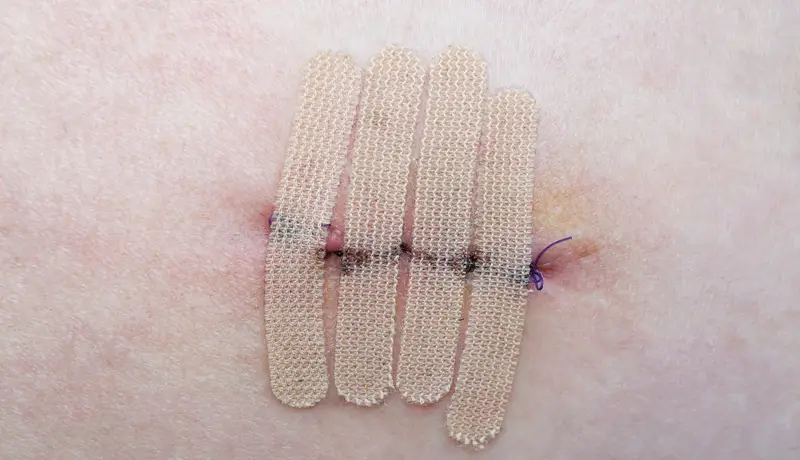
Suturing marks only the beginning of proper wound care. Medics learn to monitor wounds for infection signs, such as redness, swelling, or discharge. They also provide aftercare instructions to ensure optimal recovery and prevent complications.
Conclusion: A Lifesaving Skill for Maritime Medics
In the demanding field of maritime medicine, wound suturing is an indispensable skill. It enables medics to provide immediate care, improving crew safety and reducing costly medical evacuations. The School of Maritime Medics is dedicated to preparing medics for these challenges, equipping them with the knowledge and skills to excel in their critical roles.
Contact us today to learn more about our specialized training programs for maritime operations.
Frequently Asked Questions
-
What is the most common type of wound maritime medics encounter that requires suturing?
Maritime medics frequently encounter lacerations caused by sharp tools, machinery, or accidental slips on deck. These wounds often vary in depth and size, making suturing a crucial skill for preventing blood loss and infection. -
How can medics ensure a sutured wound heals properly in a maritime environment?
Medics must clean the wound thoroughly before suturing, use appropriate suture materials, and monitor it for signs of infection. Regularly changing dressings and ensuring the wound remains dry are also essential for optimal healing. -
What should a medic do if a wound involves deeper tissues like tendons or internal organs?
If a wound affects tendons, blood vessels, or internal organs, the medic should stabilize the patient, provide temporary wound management, and prepare for evacuation to a professional medical facility as soon as possible. Advanced care may be required to prevent long-term complications.