Tourism and Natural Disasters: Professor Efthymios Lekkas on the Challenge of Resilience
A country between sun, sea, and earthquakes
As part of the conference organized by HOMED on “Emergency Management in Hospitality Units”, Professor of Dynamic Tectonics, Applied Geology & Natural Disaster Management at the University of Athens, Efthymios Lekkas took the floor to analyze the pressing issue: Tourism and Natural Disasters.
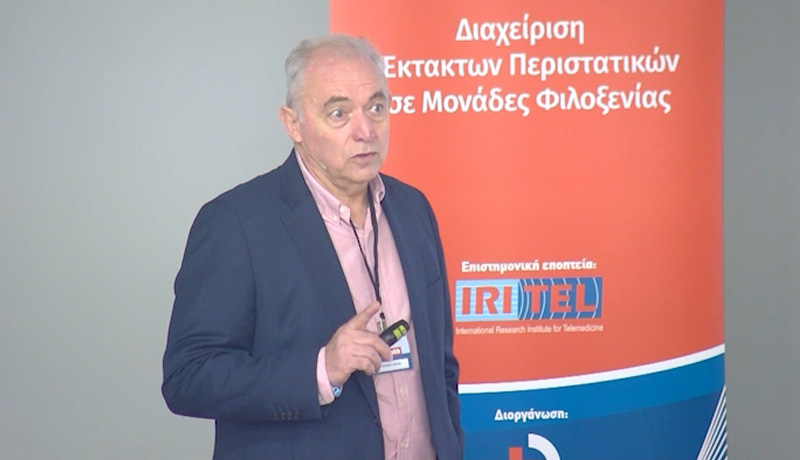
With his signature style—blending science and storytelling—he delivered the key message: Greece is at once a blessed land and a country deeply exposed to natural hazards.
Greece stands on a fascinating contradiction. On the one hand, it is the land of light, hospitality, and endless blue. On the other, it sits on a geological chessboard that does not forgive mistakes.
“As naturally as the wind blows, so do earthquakes come,” said Professor Lekkas, head of the Institute of Natural Disaster Management and a leading international voice on resilience.
“Crisis doesn’t knock on the door. It walks right in.”
Speaking to a packed audience, the professor evoked memories we all share: the 2004 tsunami in Thailand, the floods in Thessaly, the wildfires in Rhodes.
“A crisis can erupt at any moment. It doesn’t ask permission. You might be at your hotel or at a seaside taverna when a wave sweeps everything away. The question is not if it will happen, but when—and how prepared you will be.”
Tourism at the Epicenter of Risk
The tourism industry, he stressed, is the most exposed sector:
- Hotels are often built precisely where the risks lie—by the sea or on the mountainside.
- Visitors are unaware of local hazards or escape routes.
- A single disaster can erase, in just hours, the image of safety built over years.
“Tourism in Greece is defenseless,” he warned. “This is not an exaggeration—it is the reality.”
Lessons from Disasters Around the World
Professor Lekkas unfolded a global diary of crises:
- Haiti: Earthquake, 240,000 deaths, hotels flattened.
- Japan: Tsunami in Fukushima, seaside resorts vanished.
- Rhodes 2023: 20,000 tourists evacuated without casualties—“a triumph of organization.”
- Thessaly 2023: Floods caused billions in damages and harmed the region’s brand.
Each image, each statistic underscored one truth: tourism is the first industry to be hit and the last to recover.
Tourism and Climate Crises
Tourism and climate change are tightly intertwined. Rising temperatures, wildfires, floods, and extreme weather directly threaten Greece’s most treasured destinations.
A seaside resort can turn from paradise to disaster zone within hours. A prolonged storm can wipe out an entire tourist season. Climate crises affect not only infrastructure and visitor safety but also tarnish Greece’s image abroad, with severe economic consequences.
As Professor Lekkas stressed, resilience and adaptation are key: prevention plans, trained staff, and a culture of preparedness can transform a crisis into an opportunity to demonstrate that Greece is a safe and responsible destination.
From Lesson to Action
“The time for talk is over,” the professor said firmly. “We need plans, drills, training.”
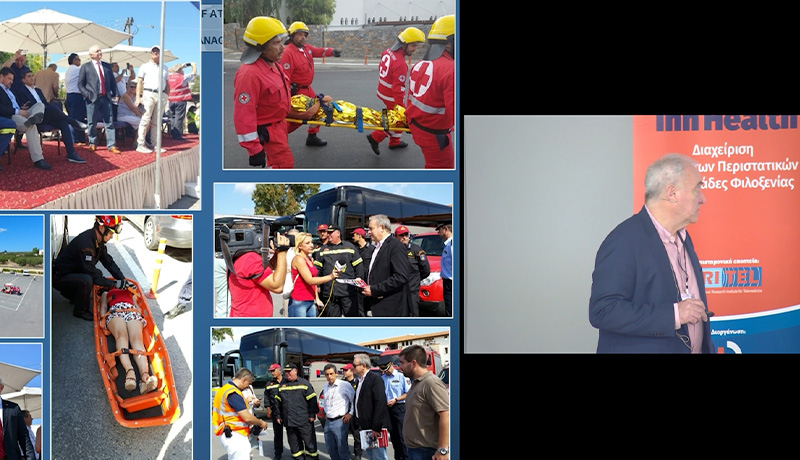
In Crete, thousands of tourists voluntarily joined a hotel evacuation exercise. Far from scaring visitors, the experience made them feel safer.
“There is no better advertisement than showing your guests that you have a plan. That’s what stays with them. That’s what spreads on social media and makes the difference.”
Why Greece Needs Resilience
The climate crisis multiplies risks: more wildfires, heavier rains, more frequent heatwaves.
Professor Lekkas insists:
- Hotels and resorts must conduct systematic preparedness drills.
- Staff must be trained to respond effectively.
- Visitors must receive clear information and simple survival guidelines.
“If we don’t build a culture of prevention,” he warned, “we cannot talk about year-round tourism. We will be living in fear of the next disaster.”
The Role of the Institute of Natural Disaster Management
Under Professor Lekkas’ guidance, the Institute works in Greece and abroad to:
- Research natural disasters,
- Train tourism professionals,
- Develop educational programs,
- Design prevention strategies.
The Crete exercises with thousands of tourists revealed something crucial: prevention does not scare visitors—it strengthens their sense of safety.
The Message That Remains
Greece is blessed, but also vulnerable.
“Prevention saves lives. Negligence costs lives,” concluded Professor Efthymios Lekkas.